 en_US
en_US ja
ja
 30 Japanese Words That Feel Japanese
Take 30 expressive -ri words with you on your trip.
Explore the Travel Guide →
Free preview available
30 Japanese Words That Feel Japanese
Take 30 expressive -ri words with you on your trip.
Explore the Travel Guide →
Free preview available
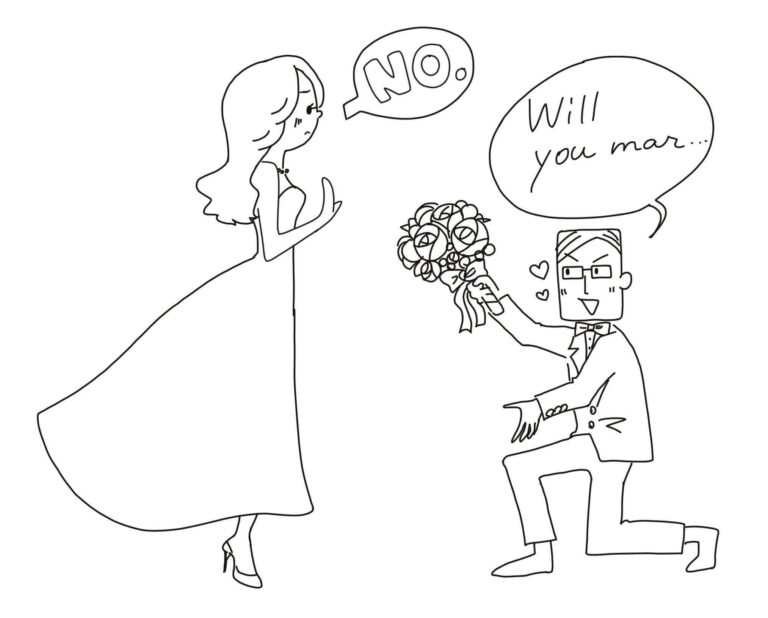
きっぱり

ぴったり
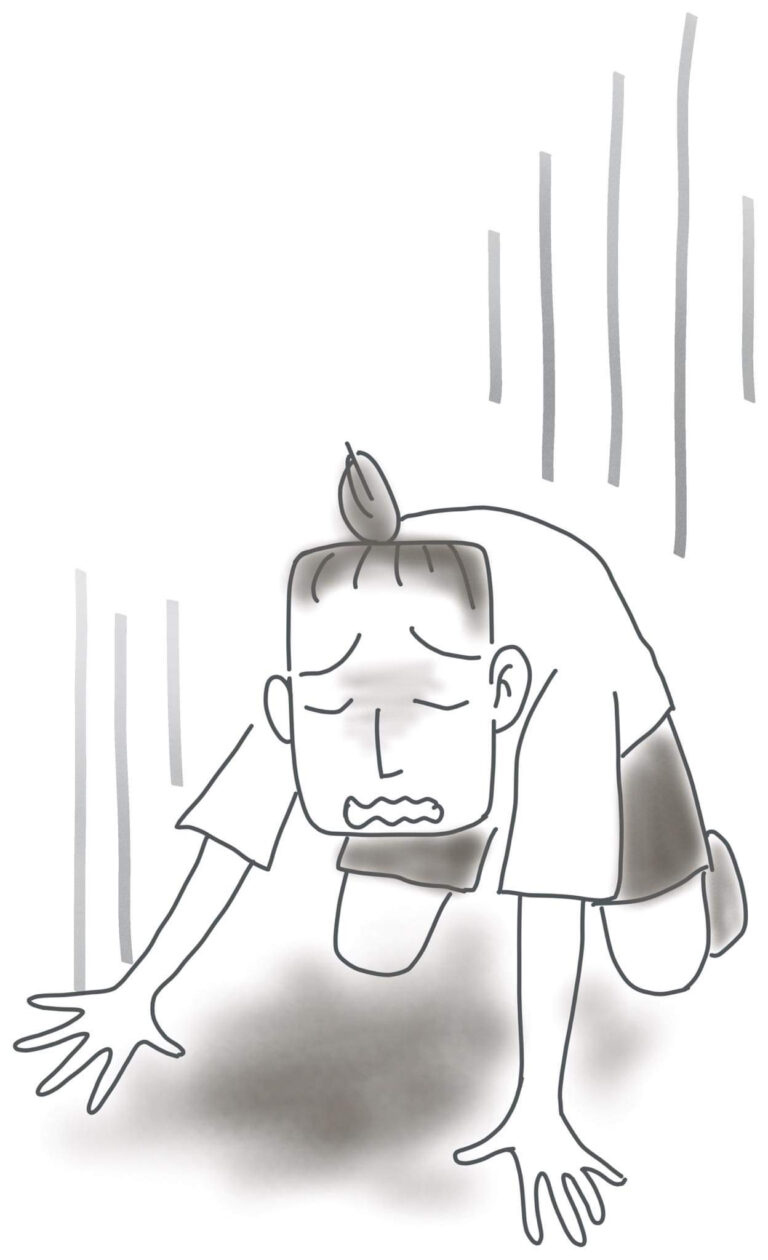
がっくり
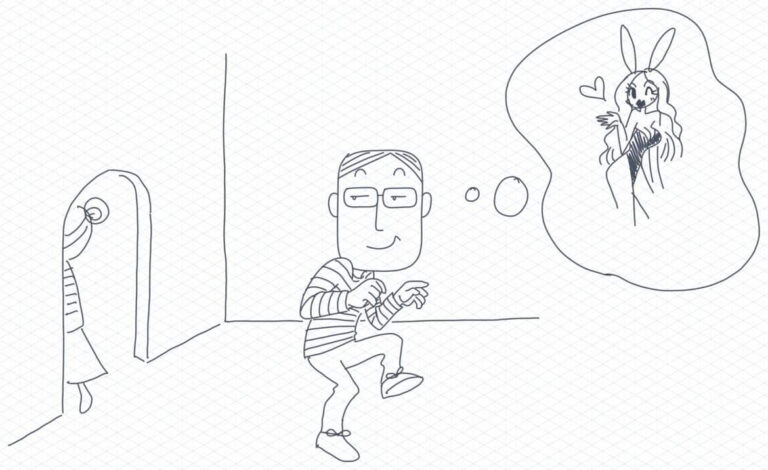
こっそり
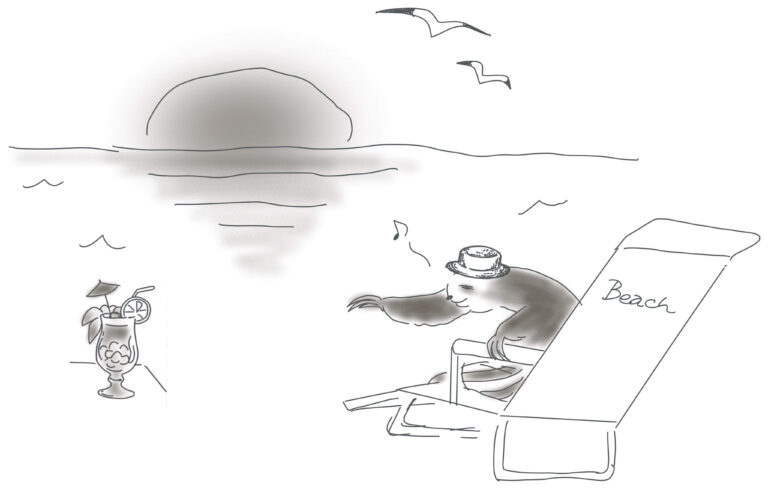
ゆっくり
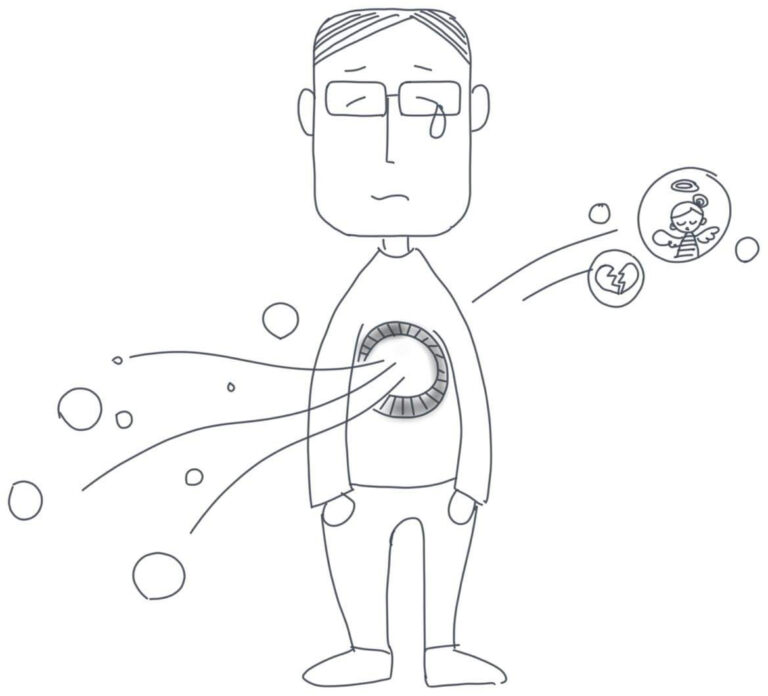
ぽっかり
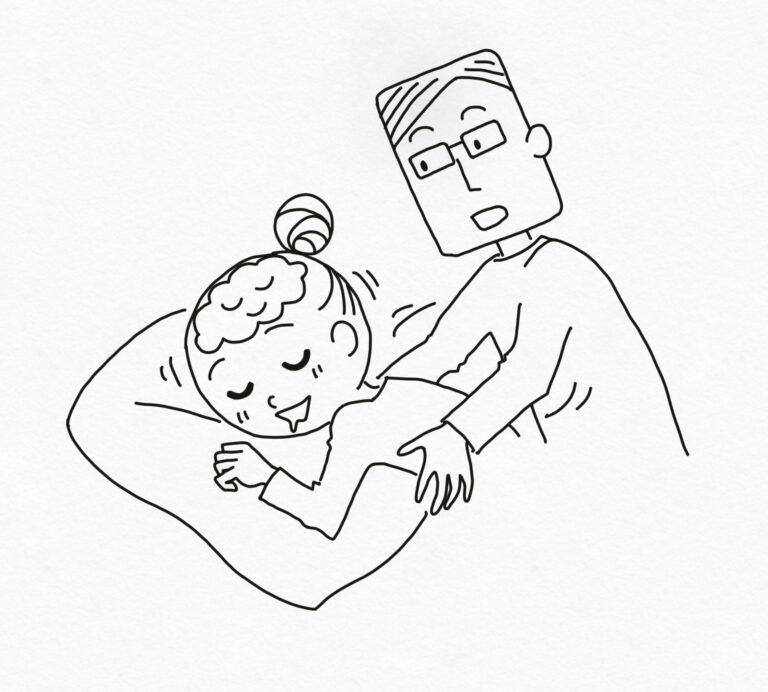
ぐっすり
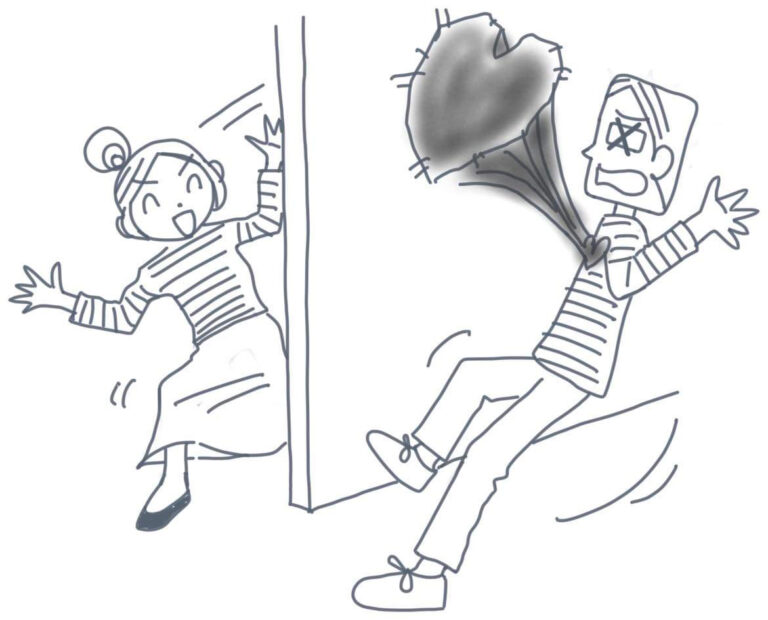
どっきり
Browse all 170 words by meaning, or search for a word directly.
Japanese is especially rich in onomatopoeia. In English, expressions such as “bow-wow,” “gulp,” and “click” imitate sounds. Japanese does this too—but Japanese onomatopoeia goes much further. It can describe feelings, textures, movements, appearances, physical conditions, and even situations that make no sound at all.

Among these expressions is a curious family of words with the same distinctive rhythm:
This site collects 170 Japanese ○っ○り expressions. Some are words Japanese people use constantly without thinking about them. Others belong to particular situations, or are unusual or old-fashioned.
A dictionary can tell you what a word means. But words such as しっくり, すっきり, ぴったり, and うっとり often carry a feeling or image that is difficult to understand from a definition alone.
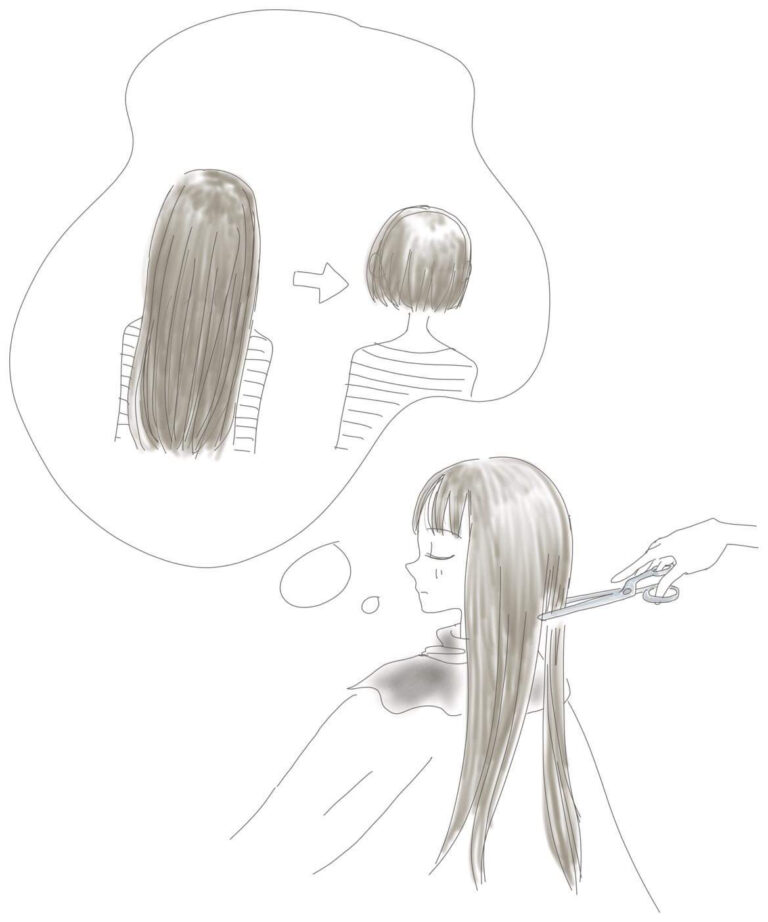
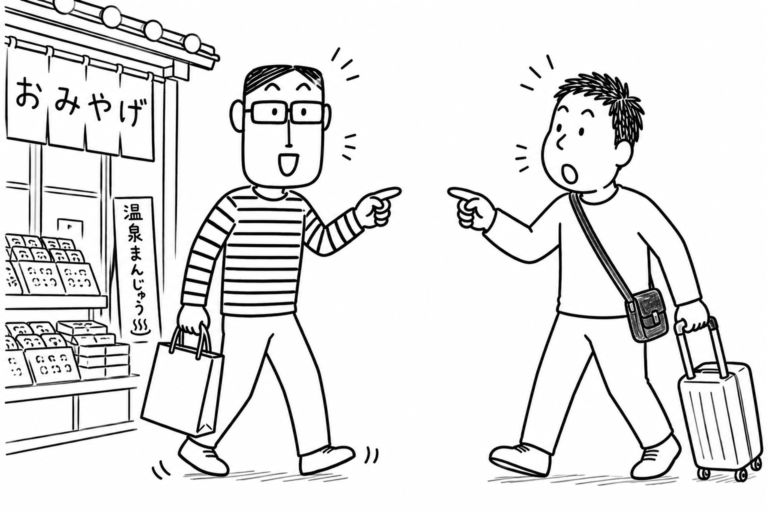
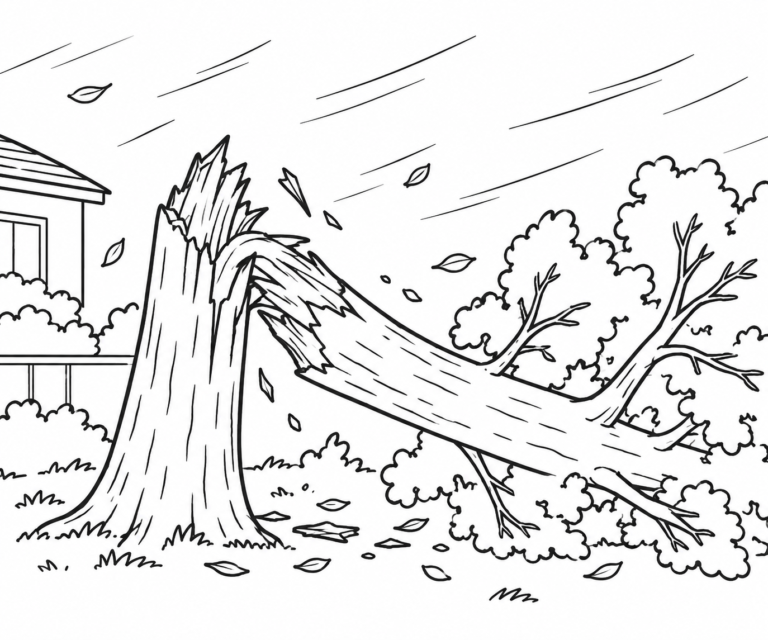
That is what this site is about. We use illustrations, examples, pronunciation, and a deliberately personal point of view to explore what each ○っ○り word actually feels like in Japanese. These are not absolute rules: they are the impressions of one Tokyo-born Japanese speaker. Even among native speakers, the feel of a word can vary a little from person to person. That small amount of messiness is part of what makes language interesting.
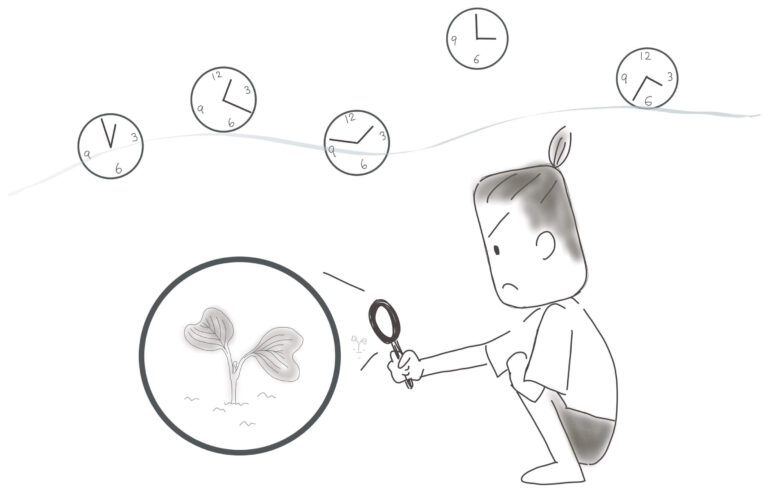
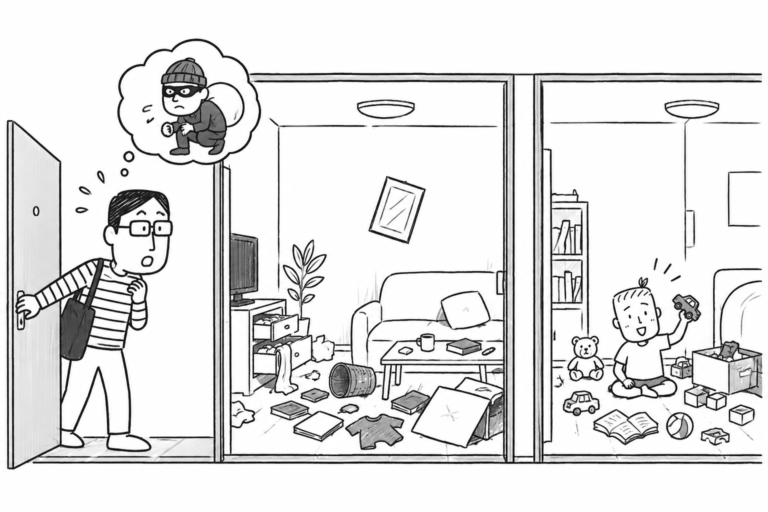
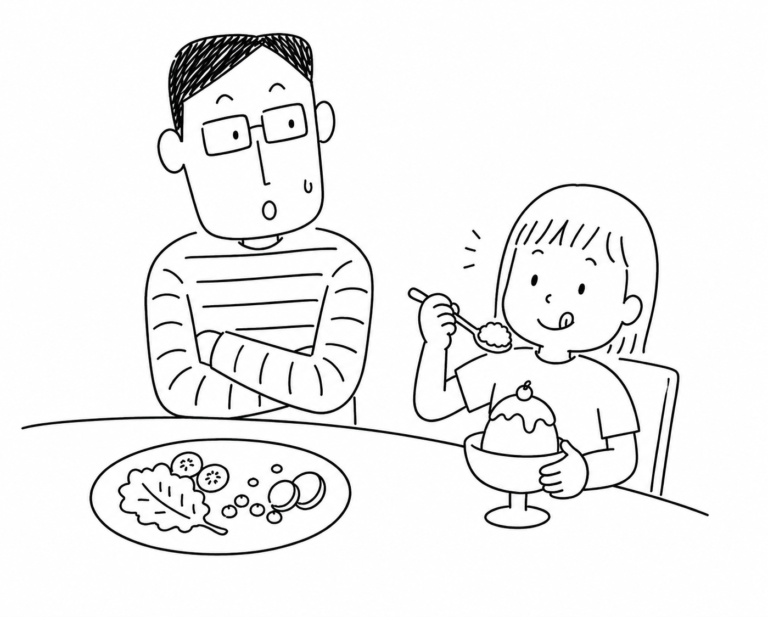
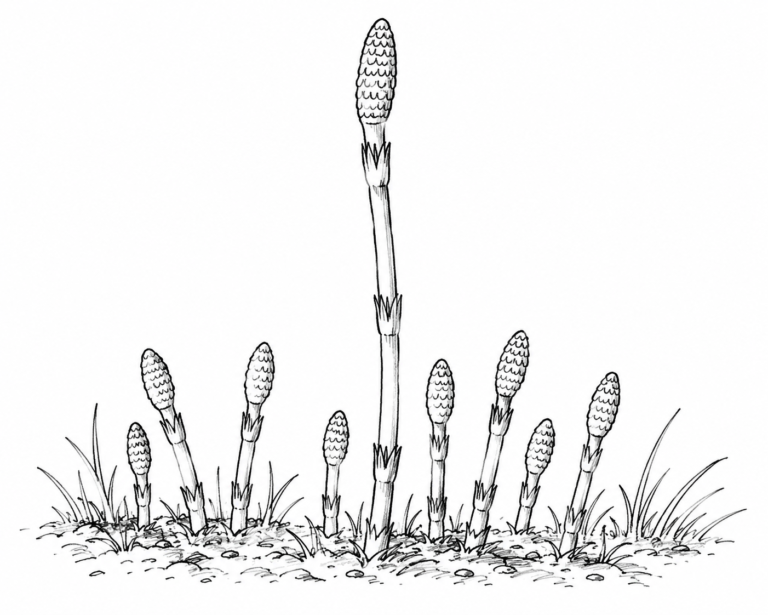
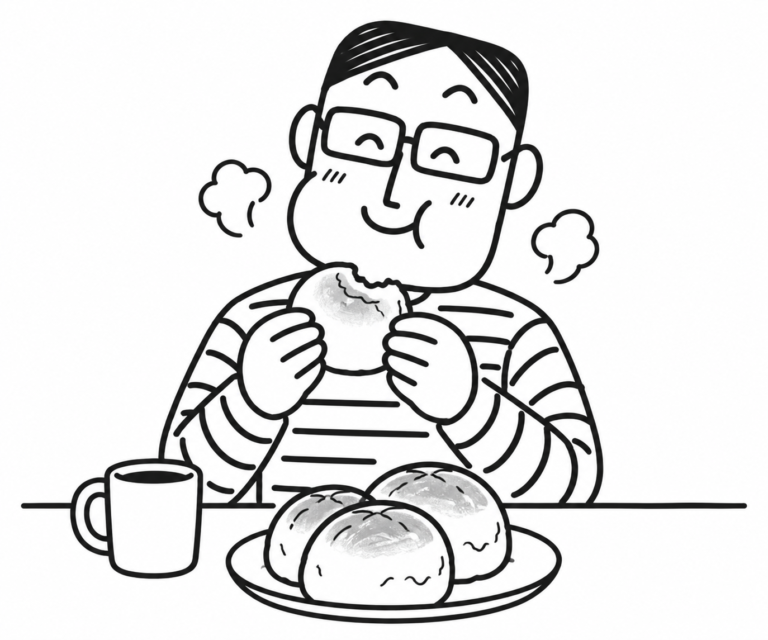
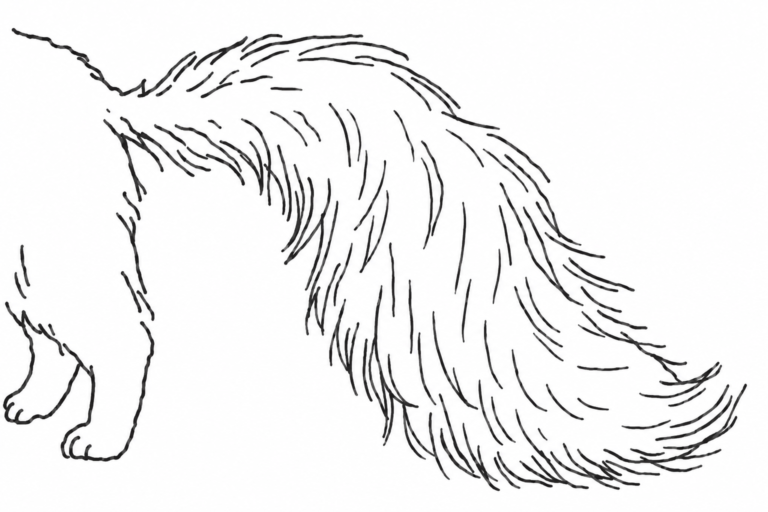
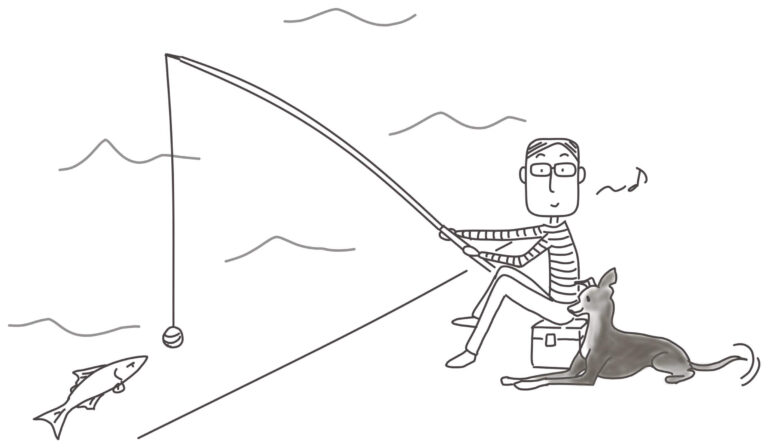
Use illustrations and situations to get an immediate feel for a word.
Listen to the Japanese pronunciation and learn the rhythm with the meaning.
Go beyond one-word translations with examples, interpretation, and natural English equivalents.
Choose a word to see its illustration, pronunciation, examples, and nuance.
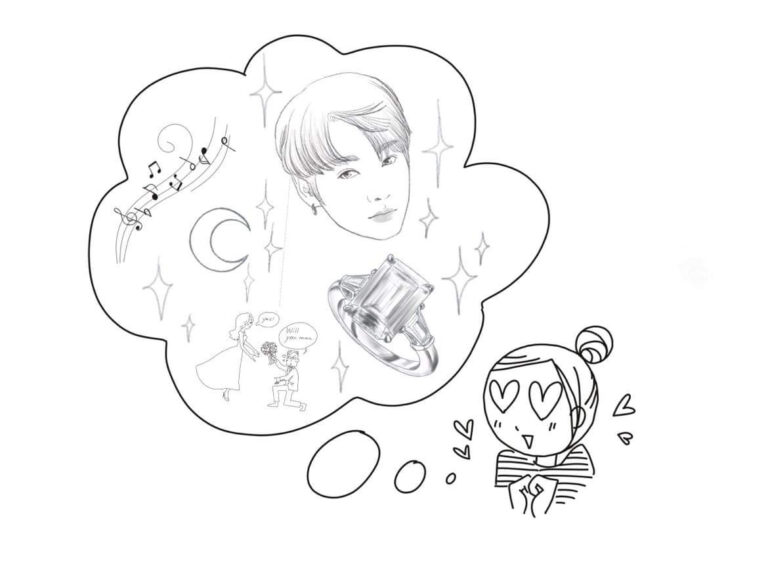
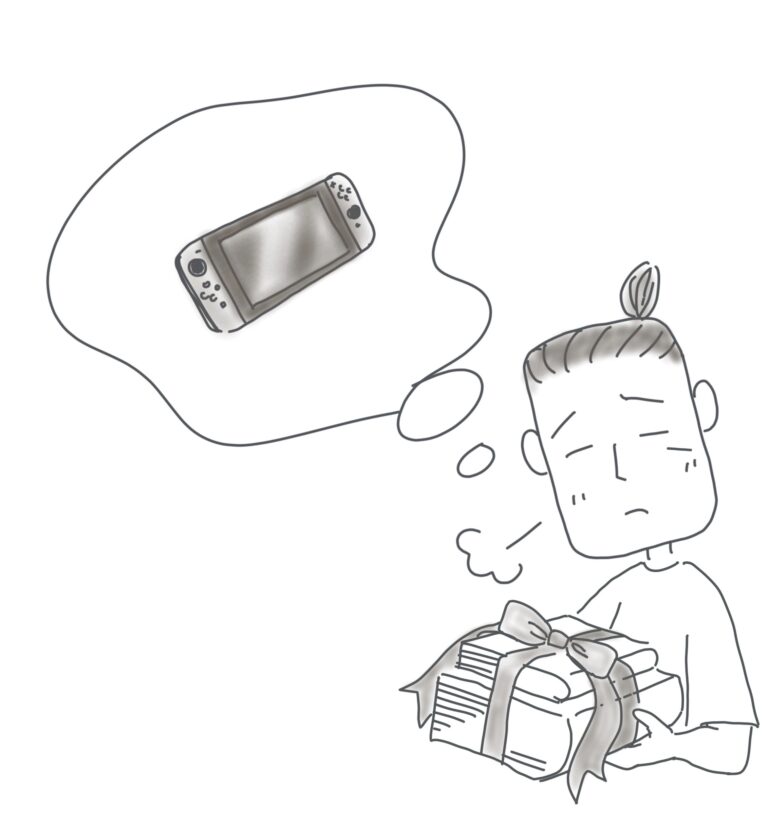
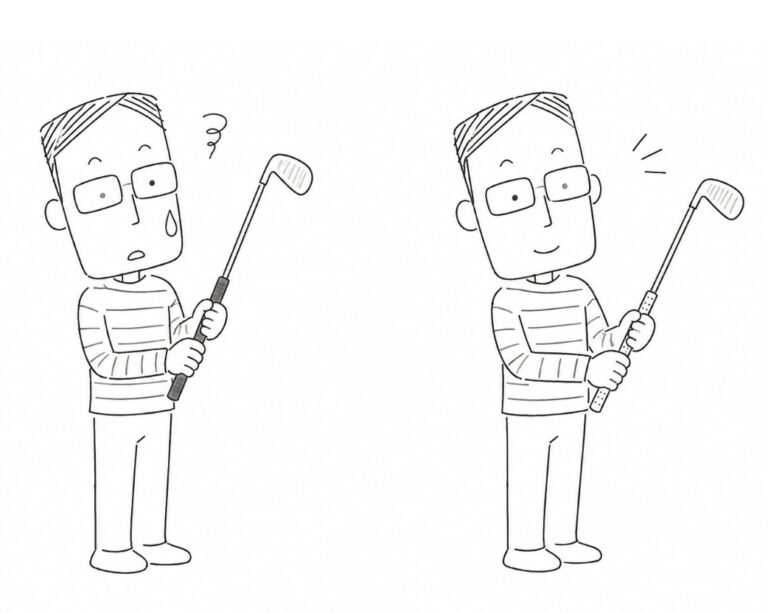
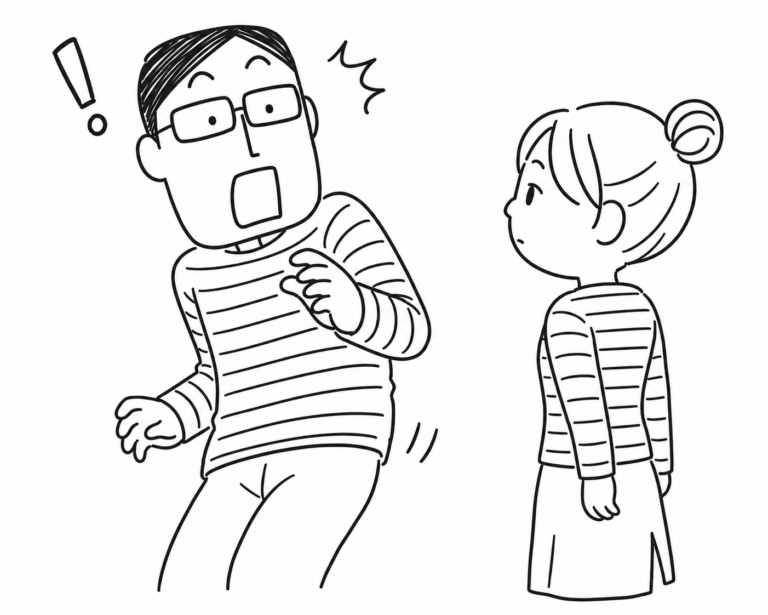
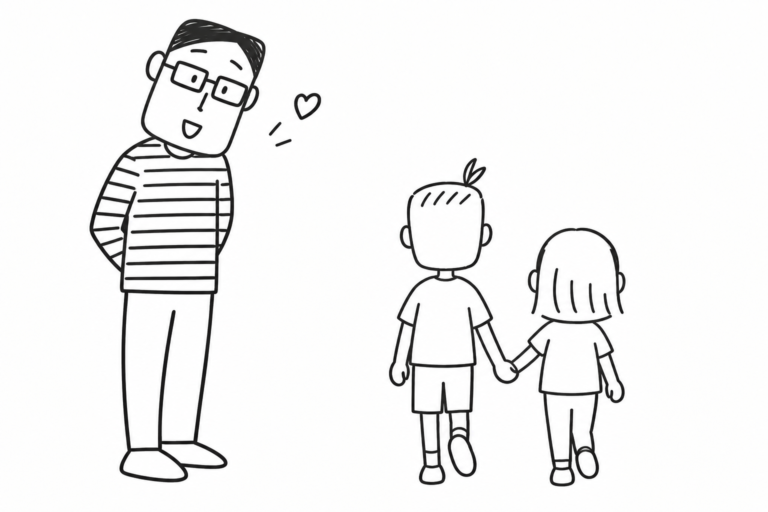
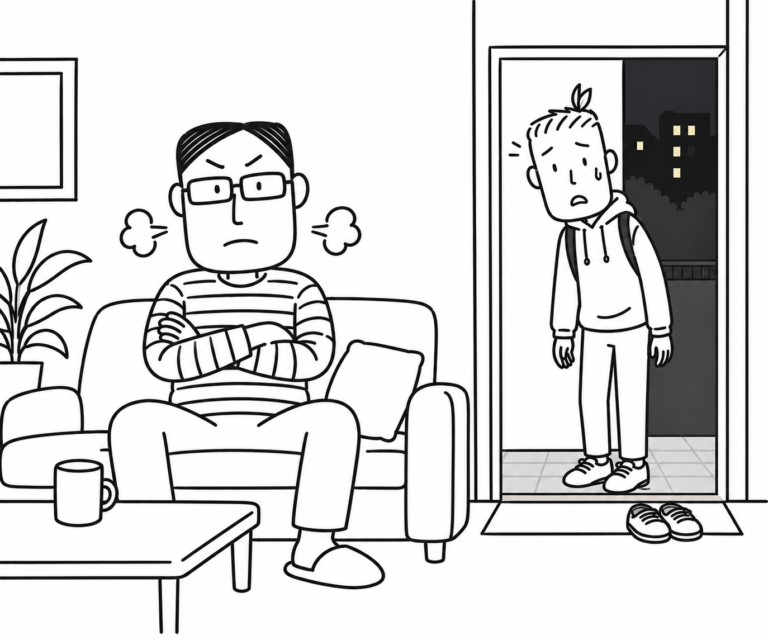
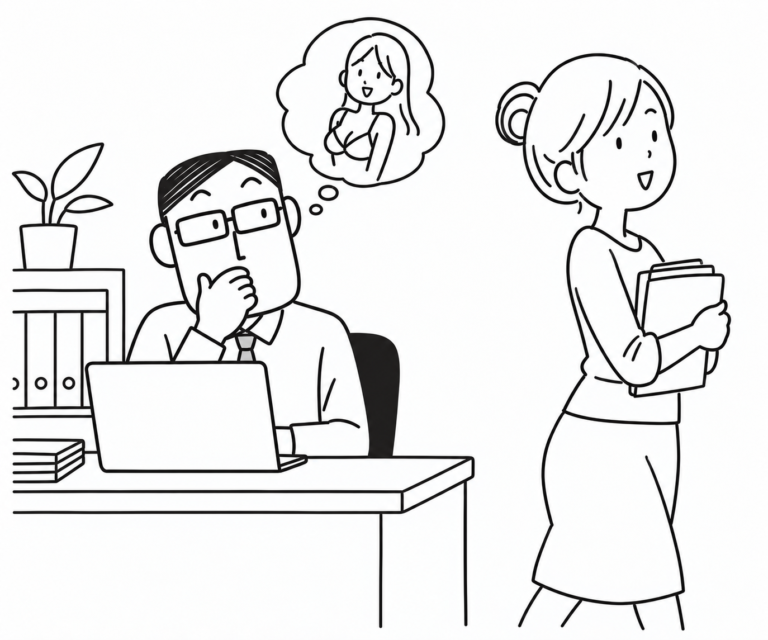
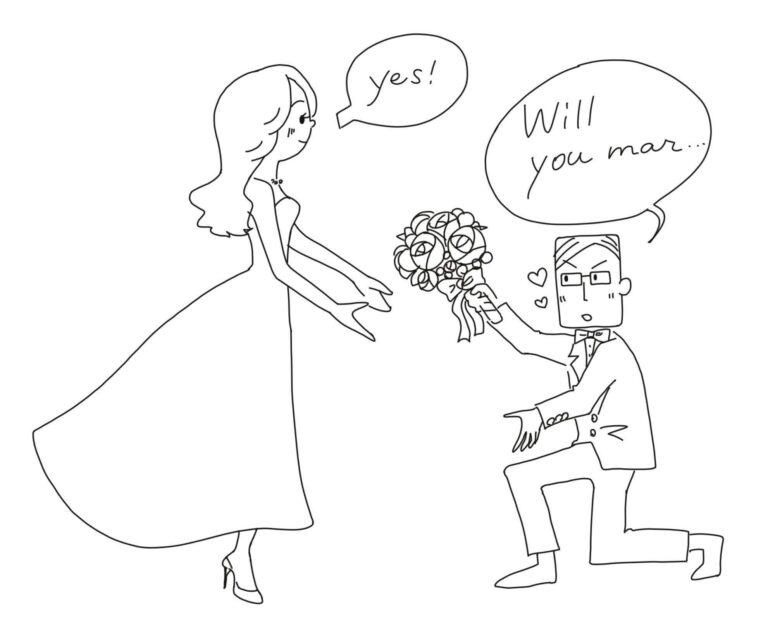
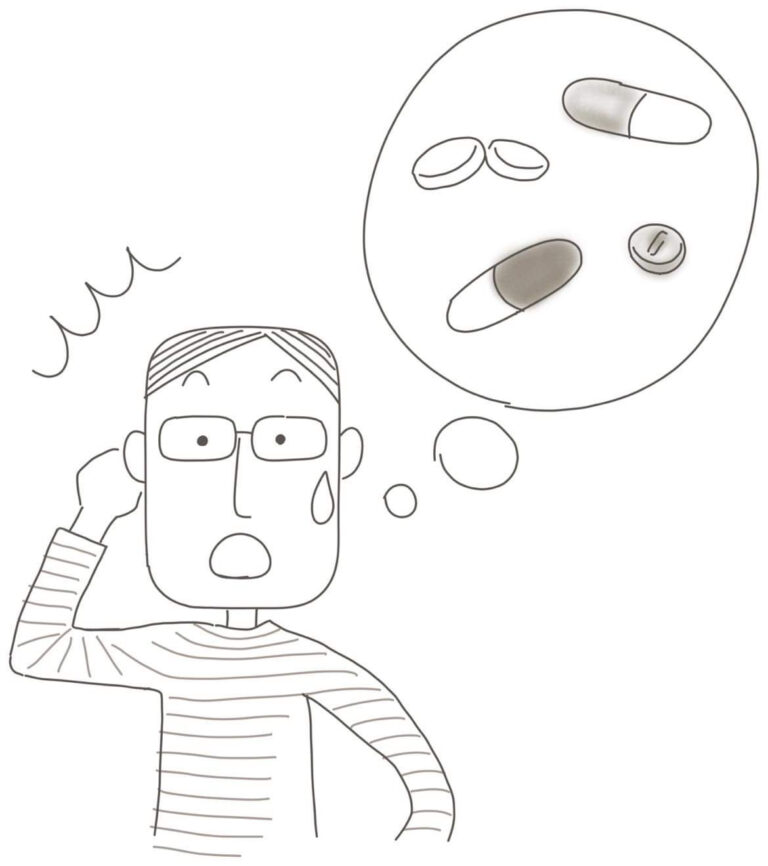
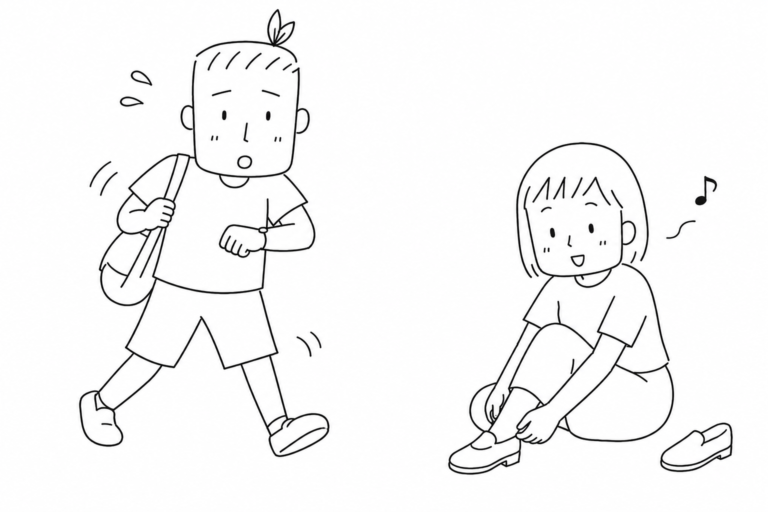
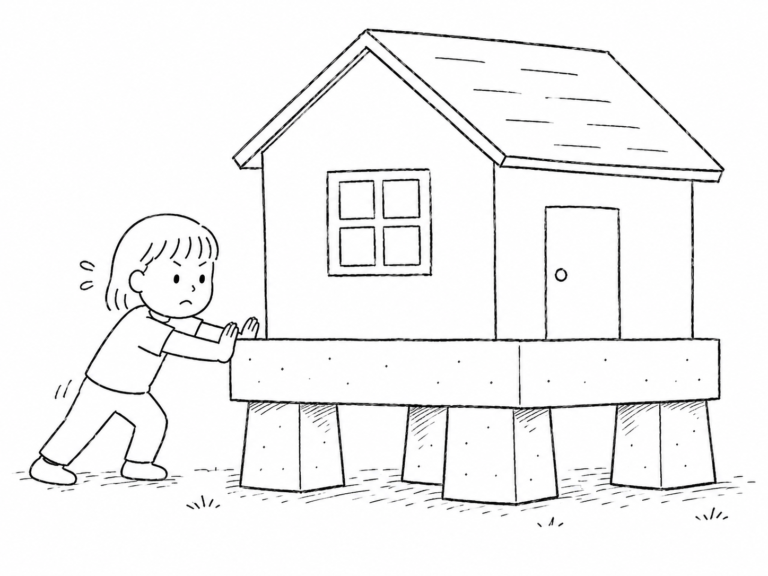
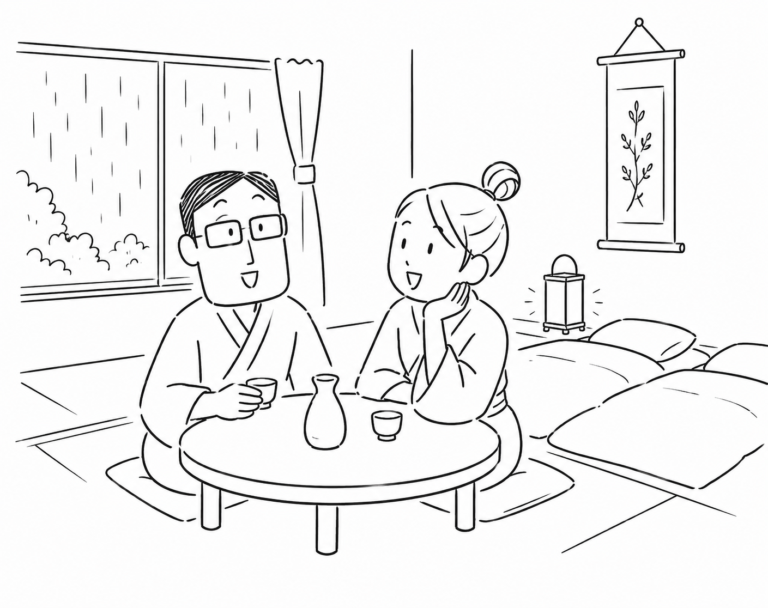


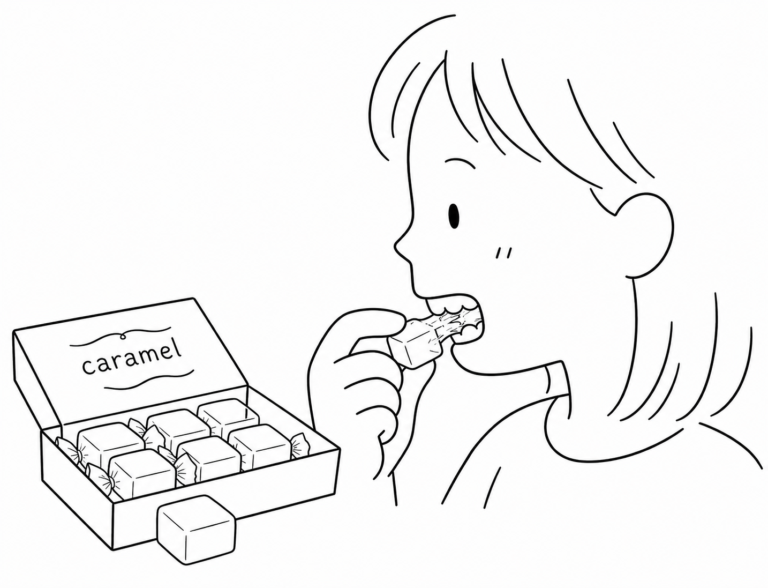
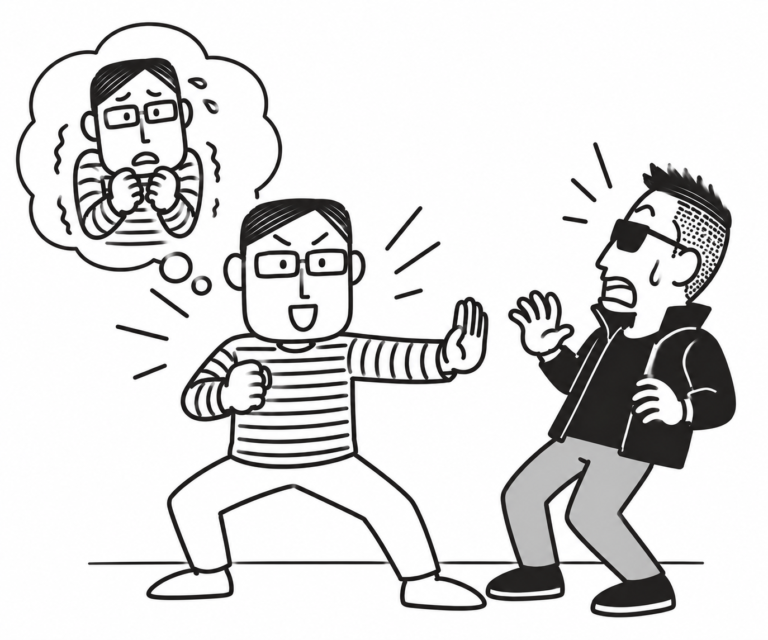
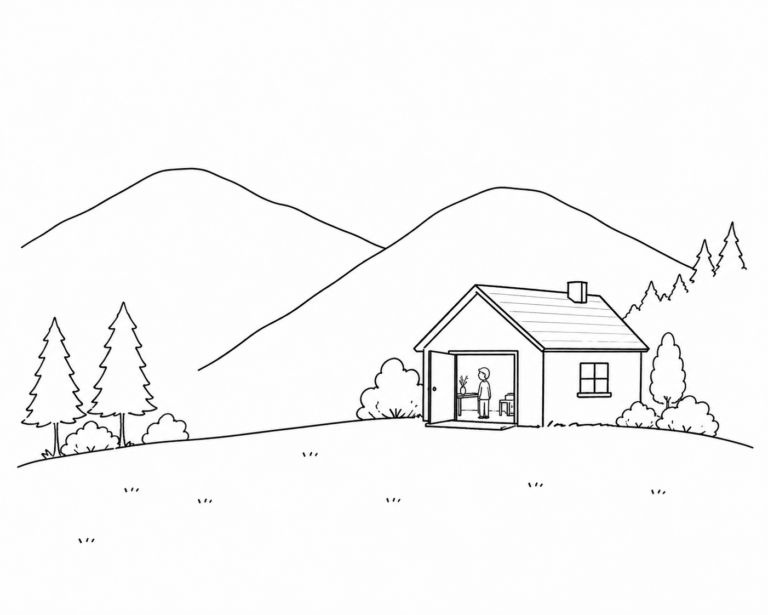
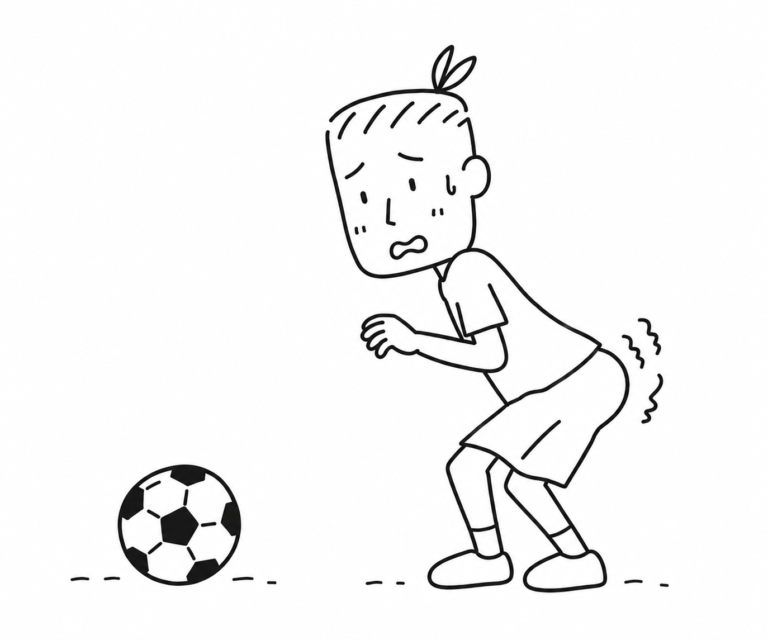
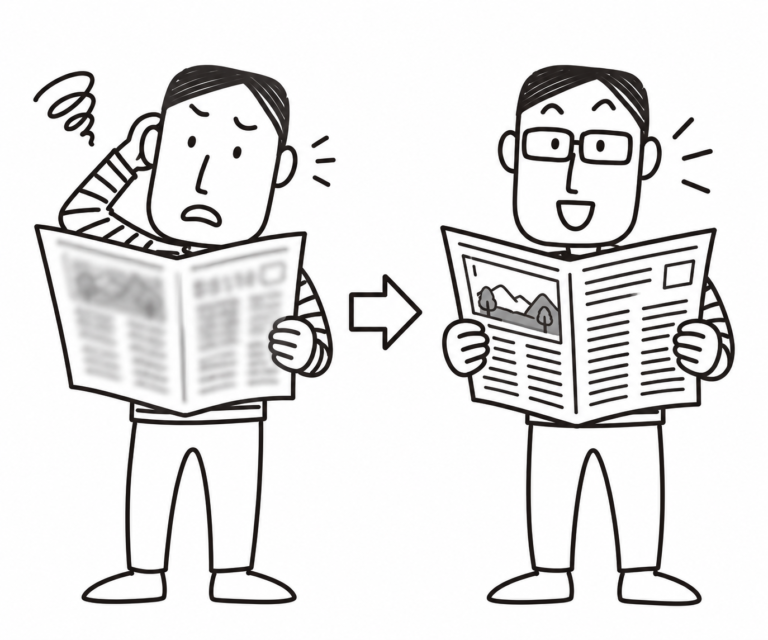



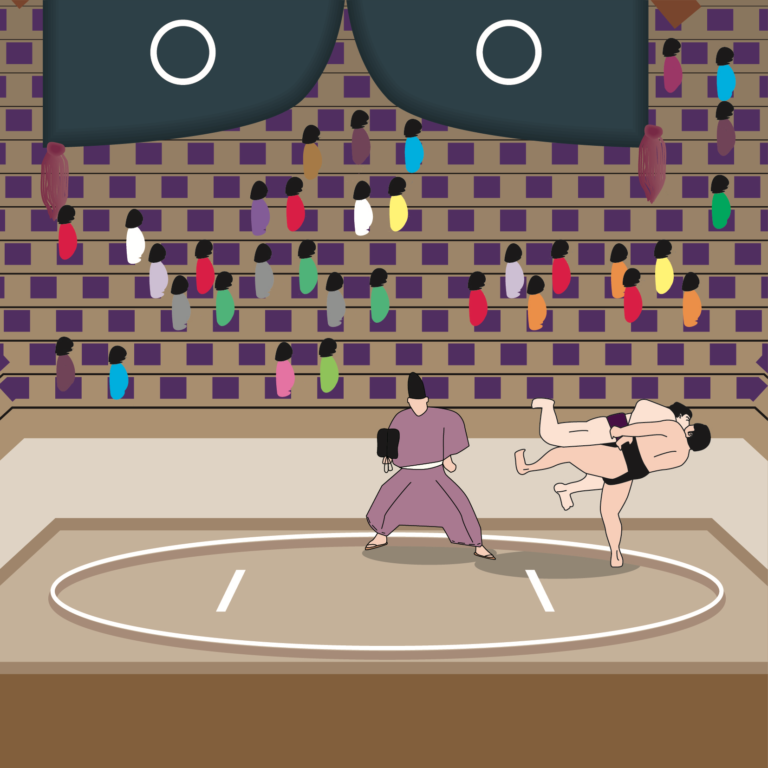
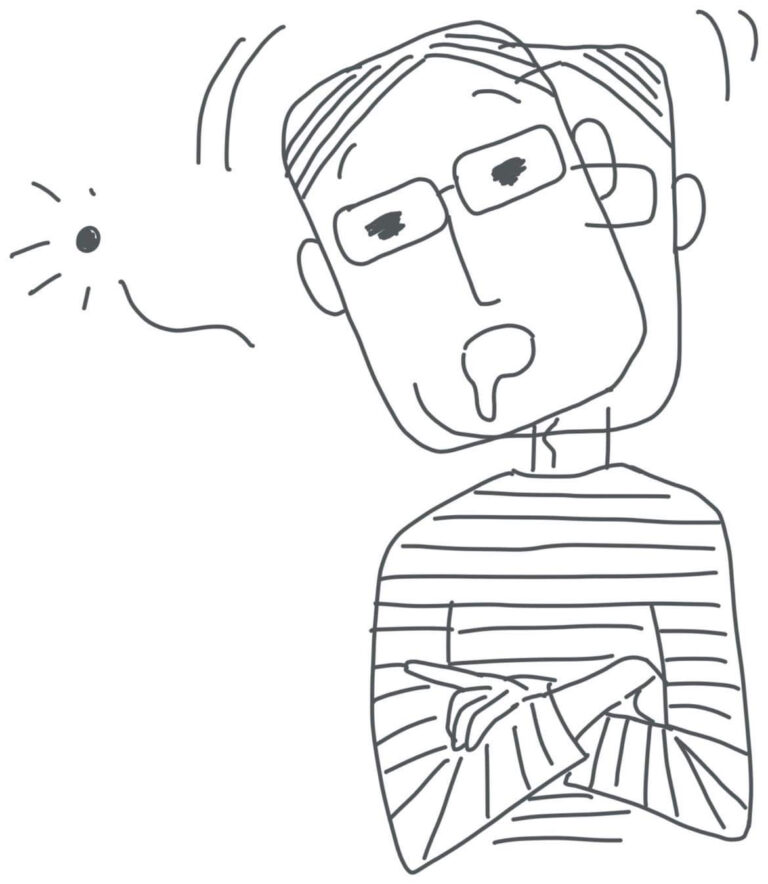
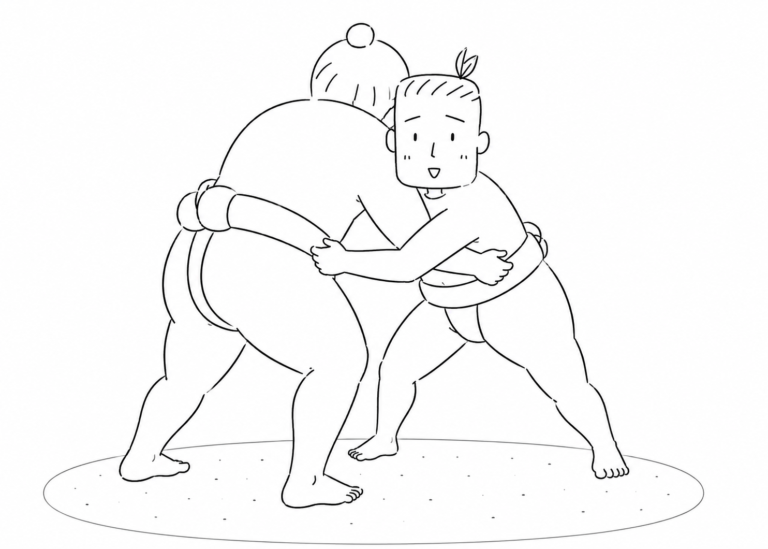
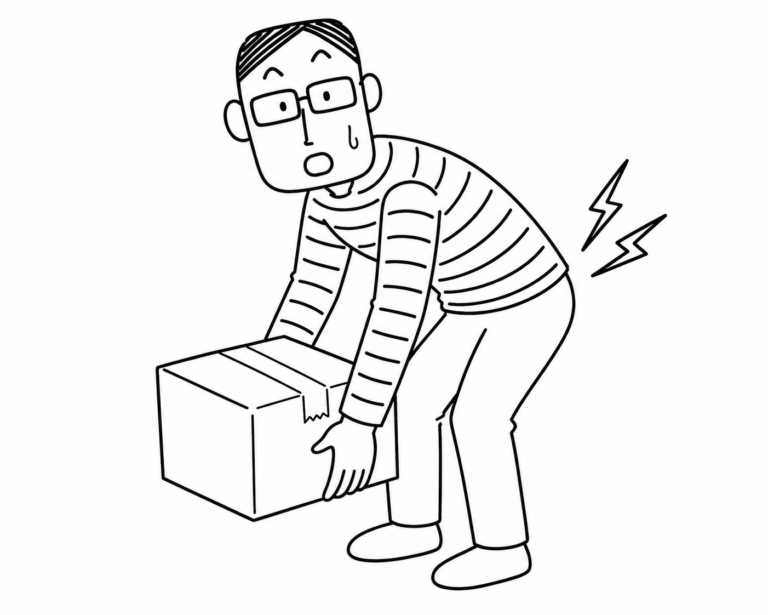
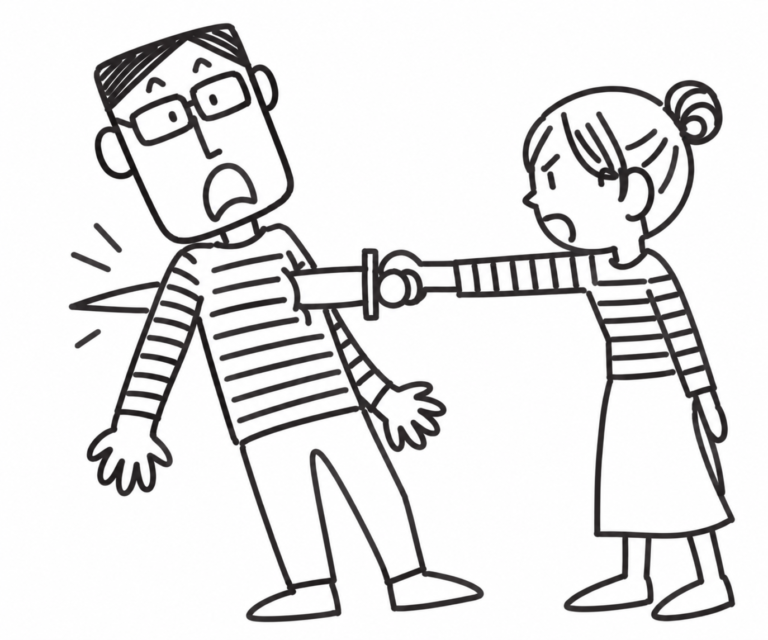

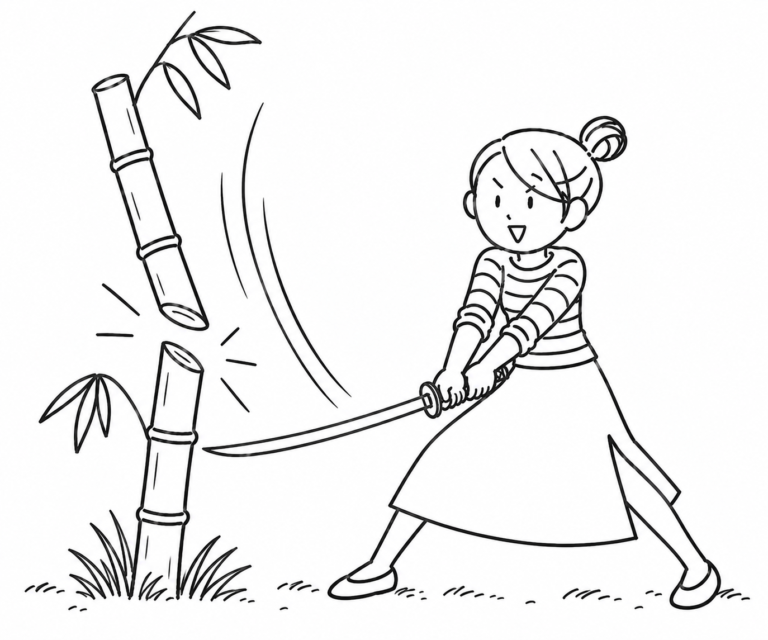
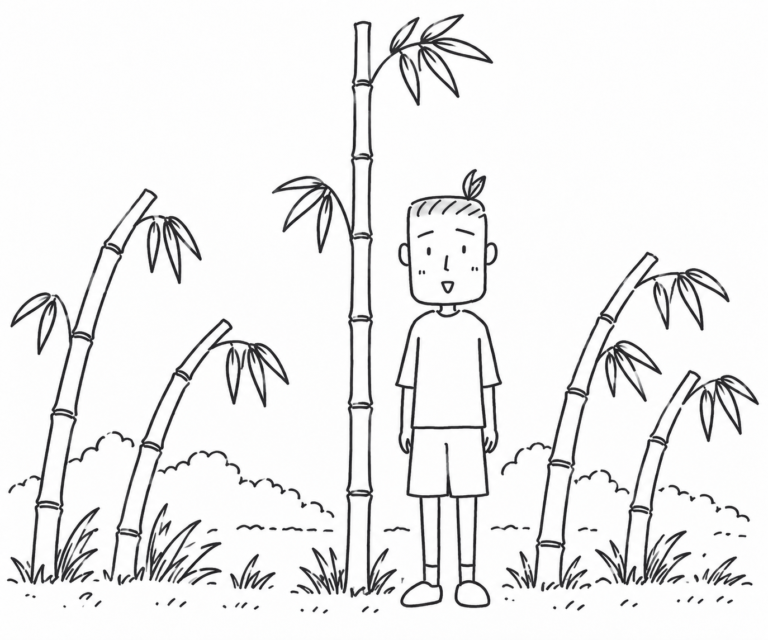
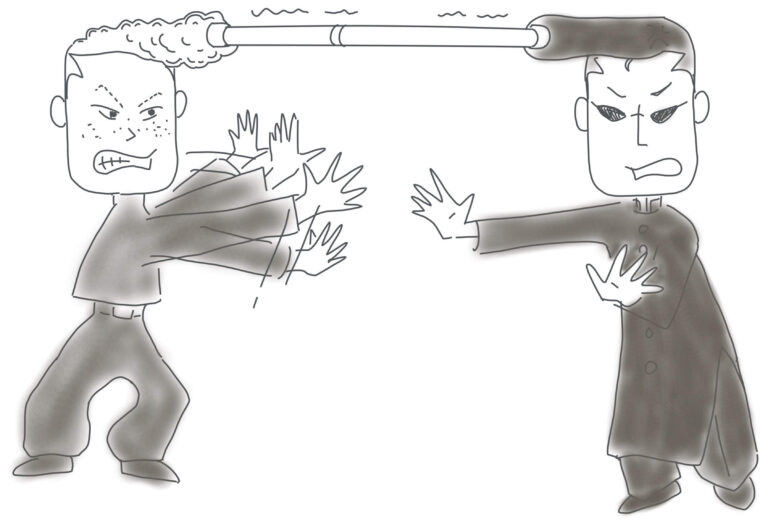

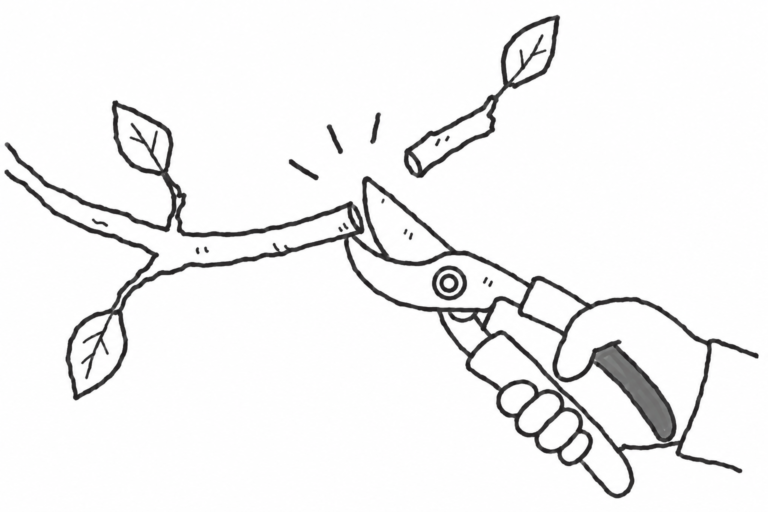
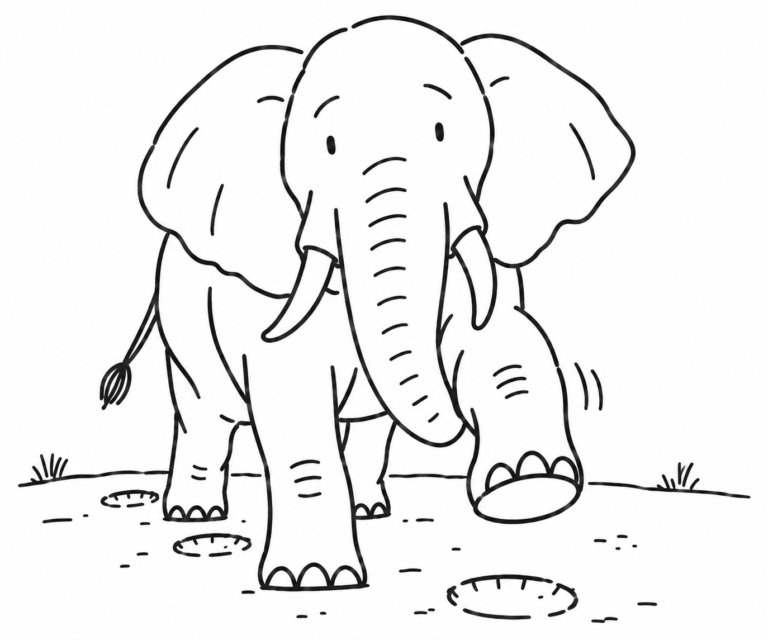
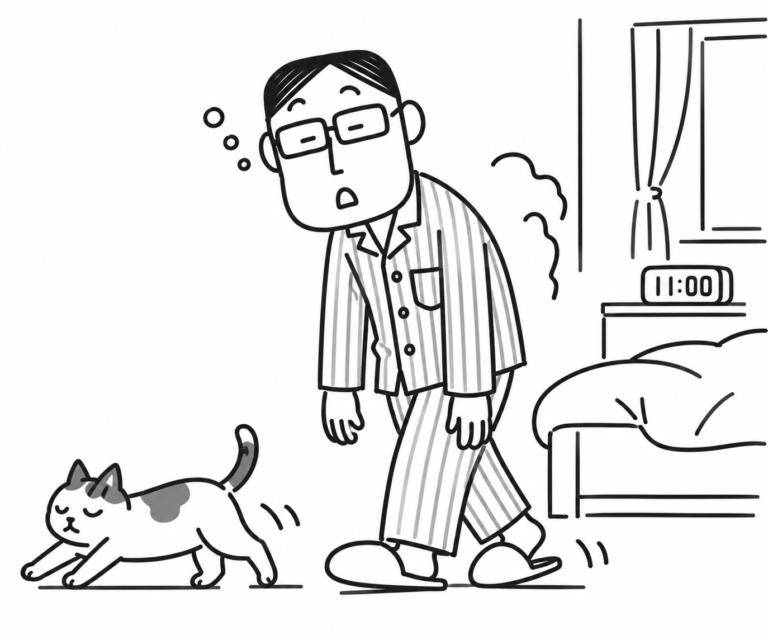


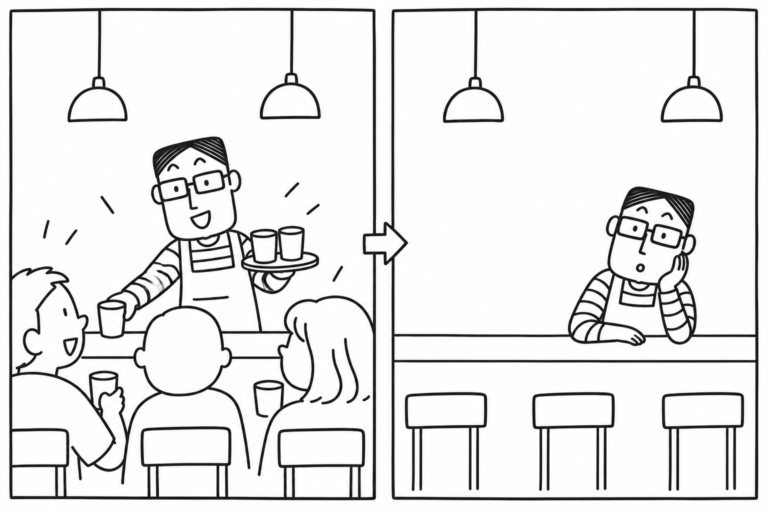
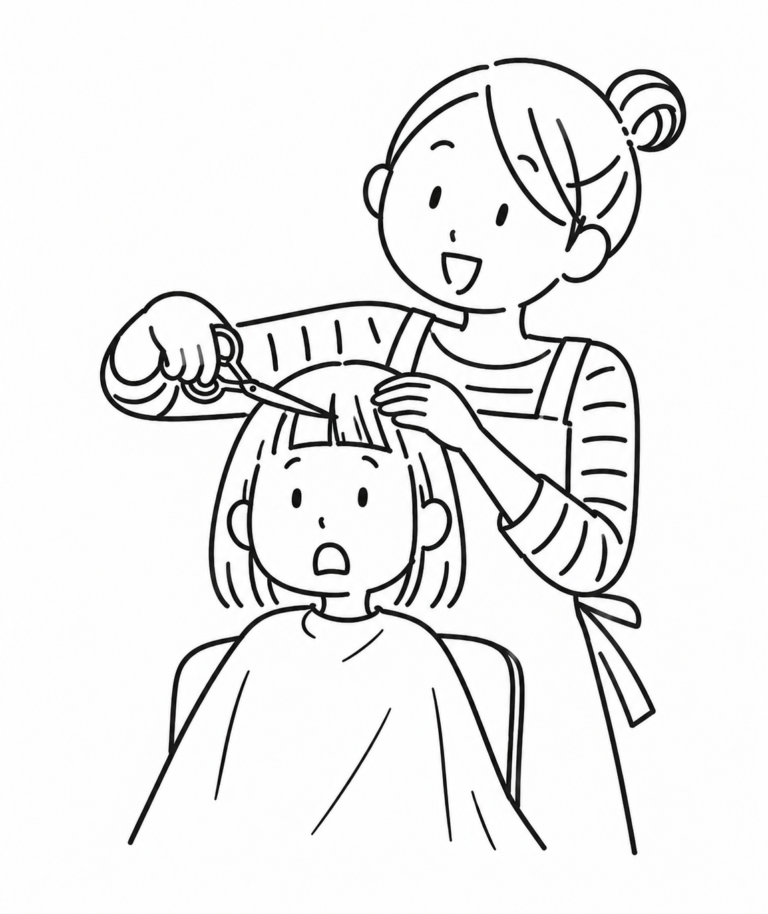
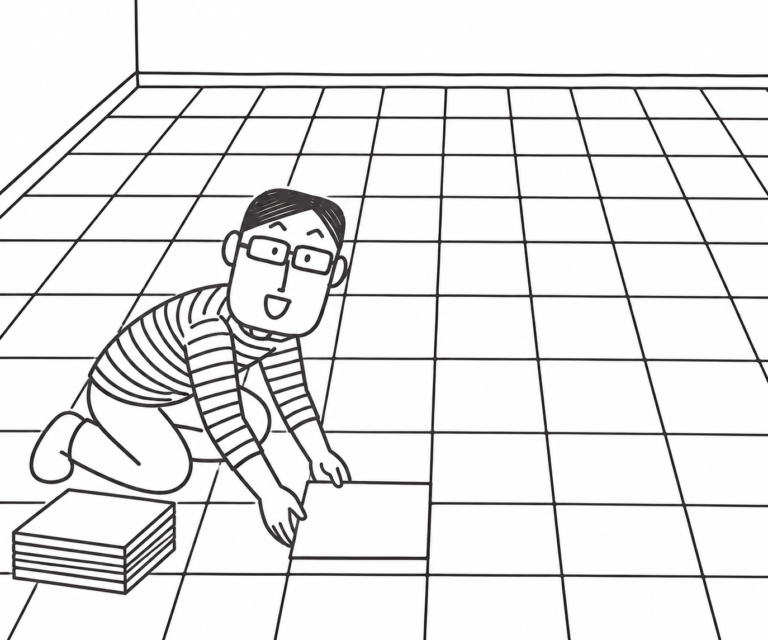
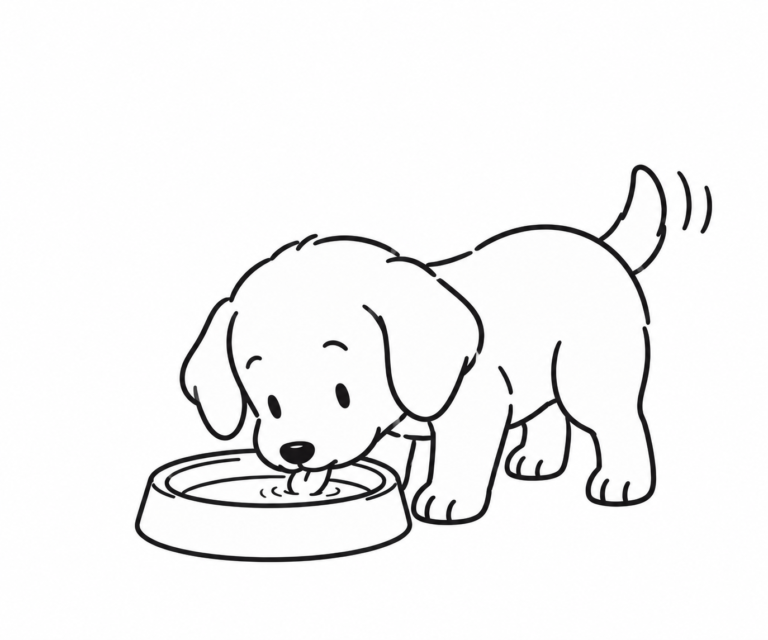
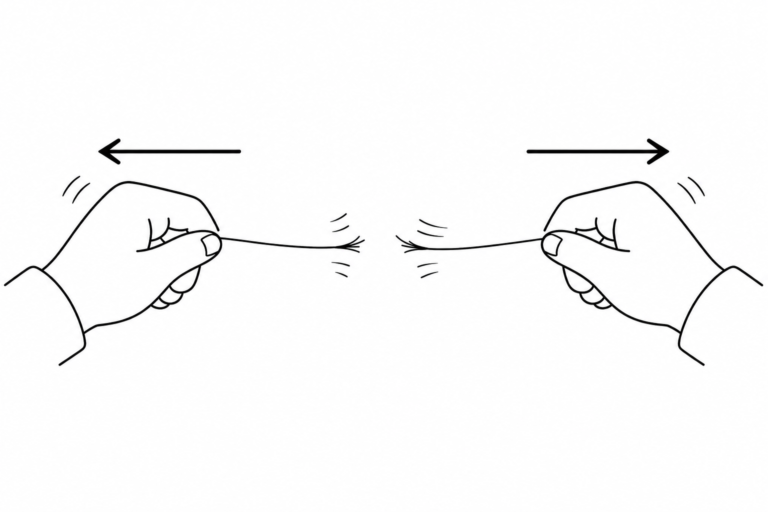
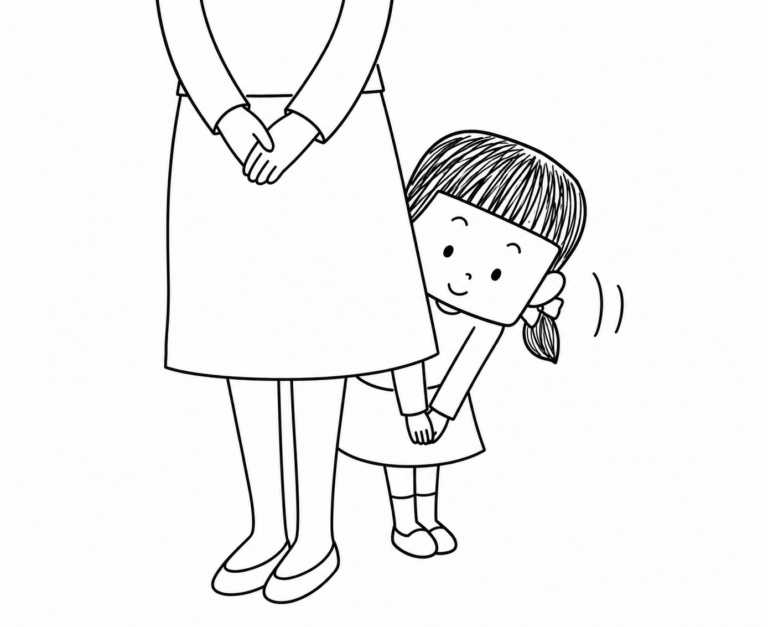
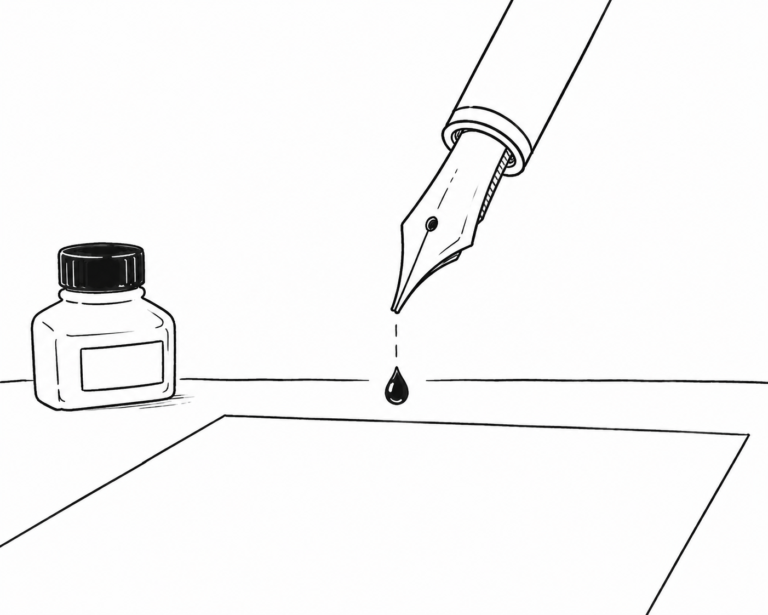
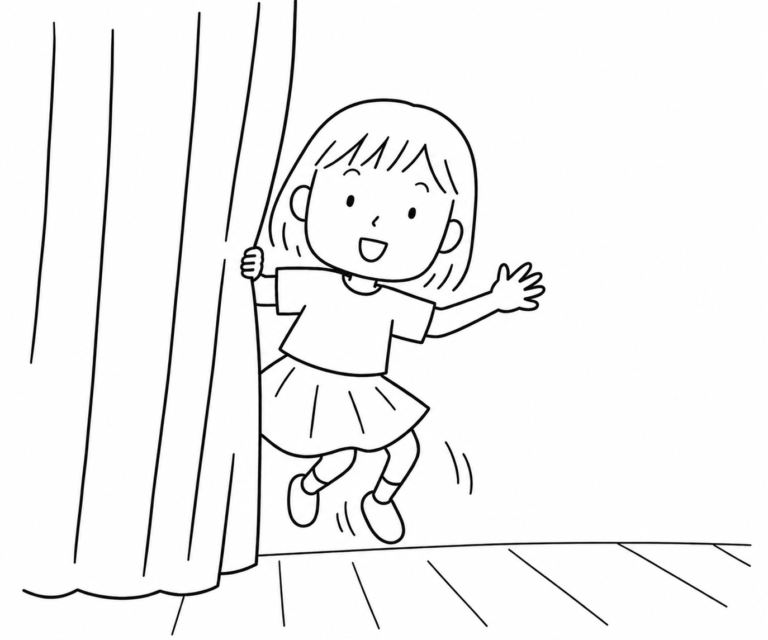
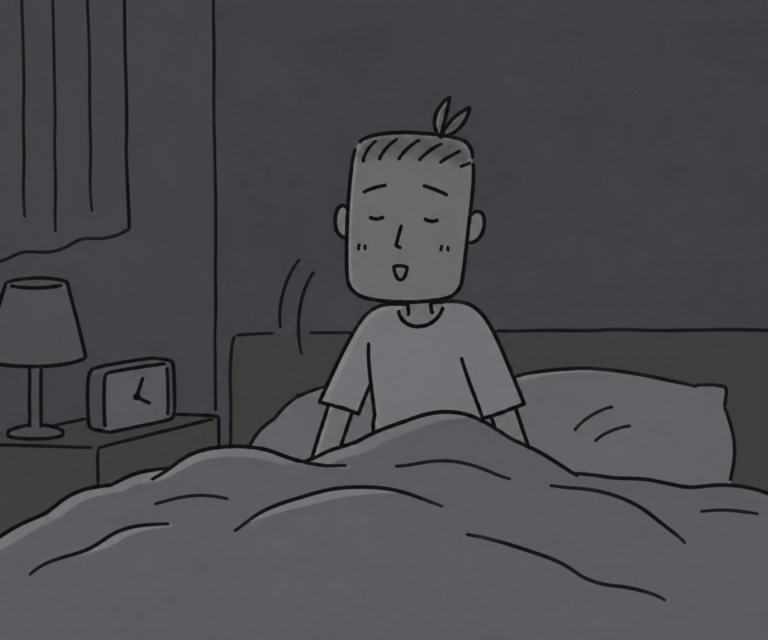
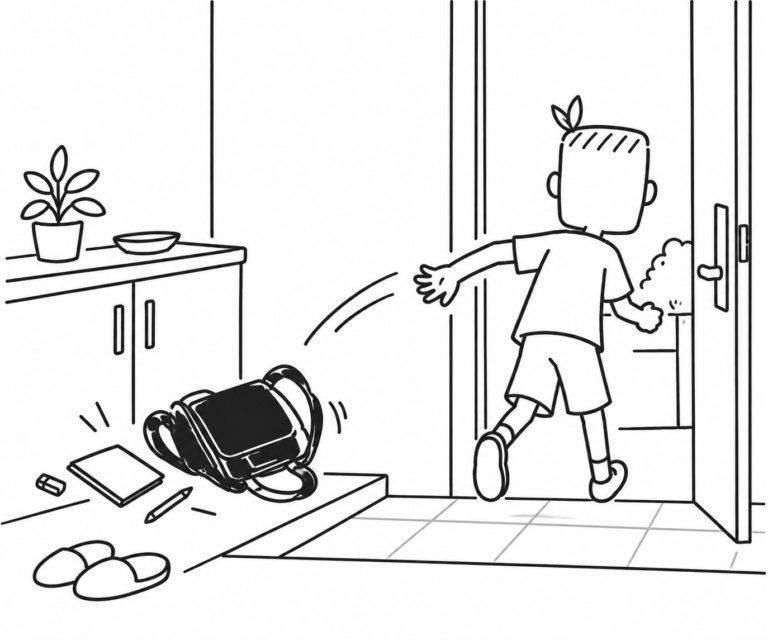
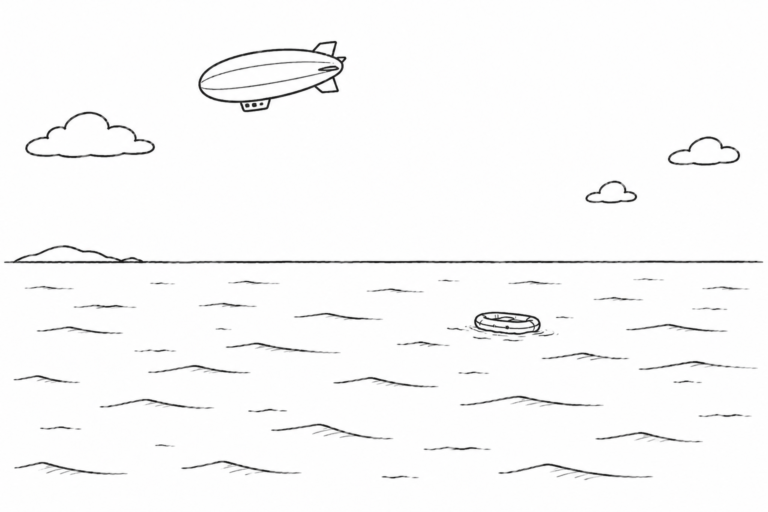
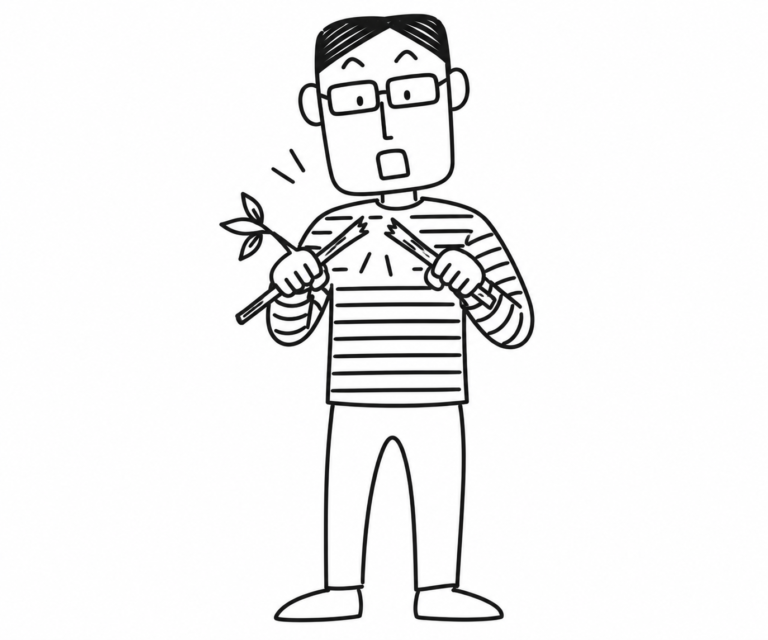
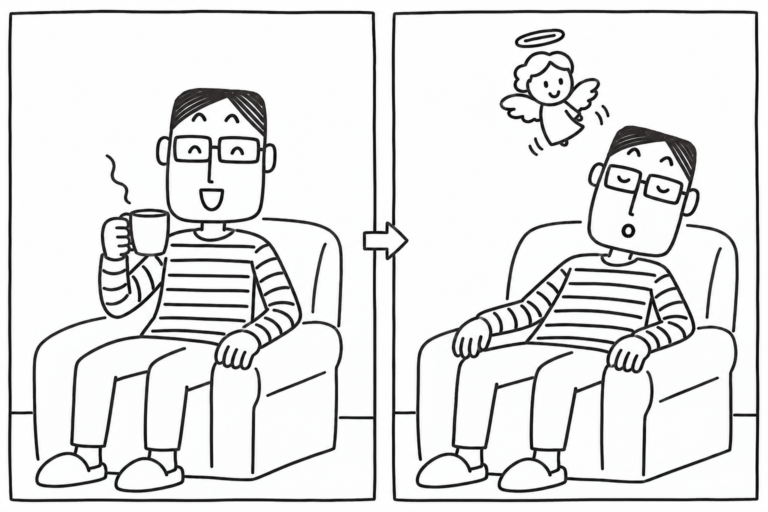
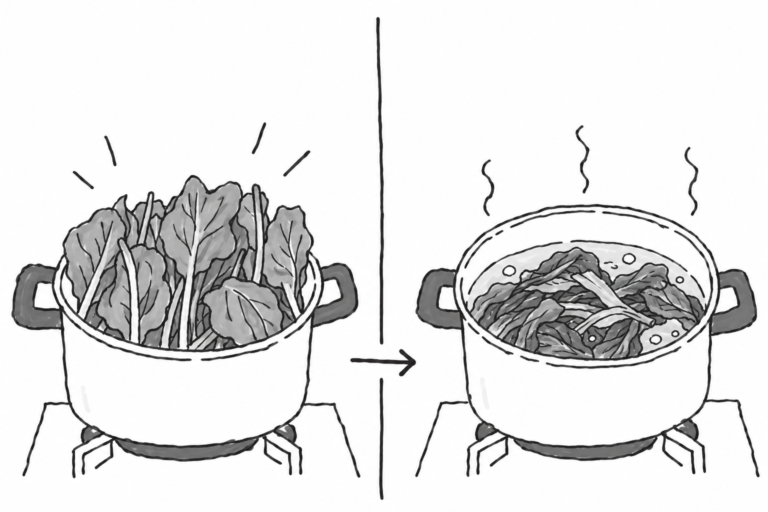
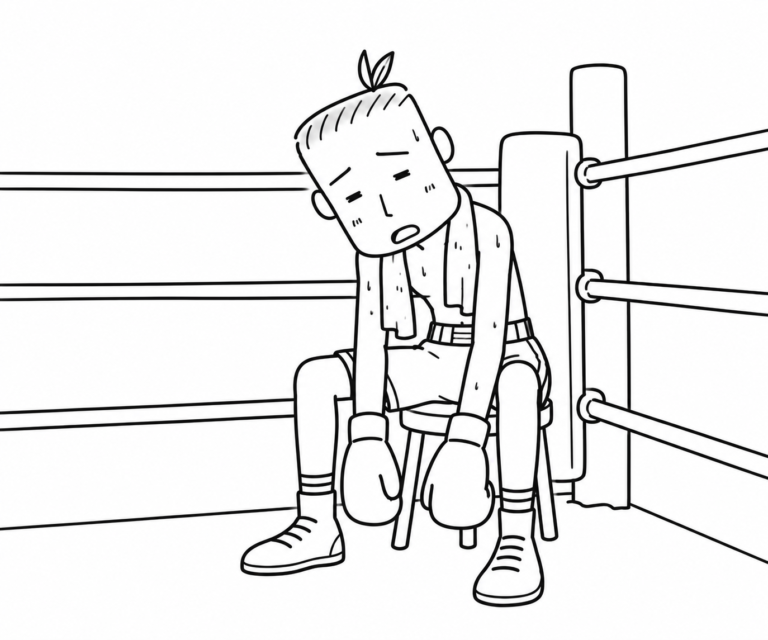
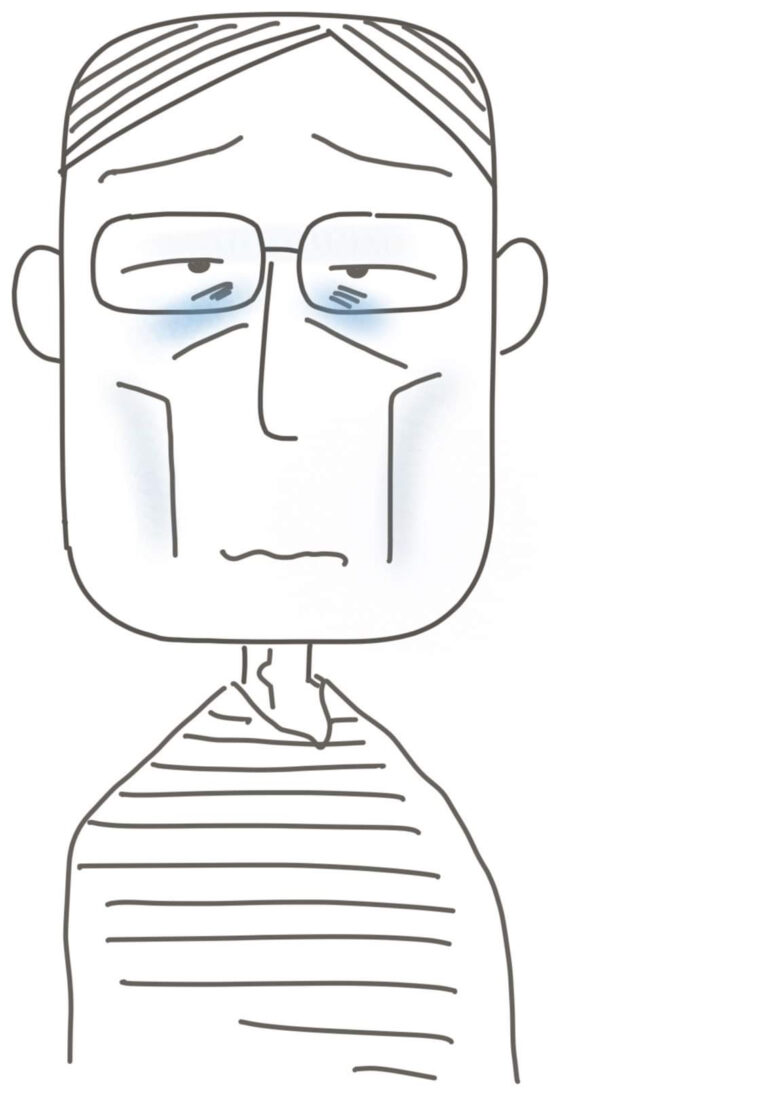
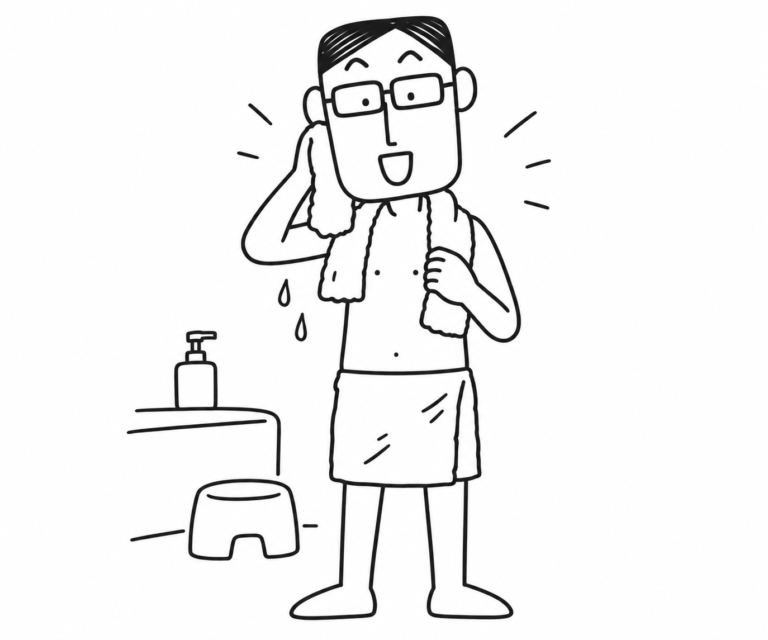
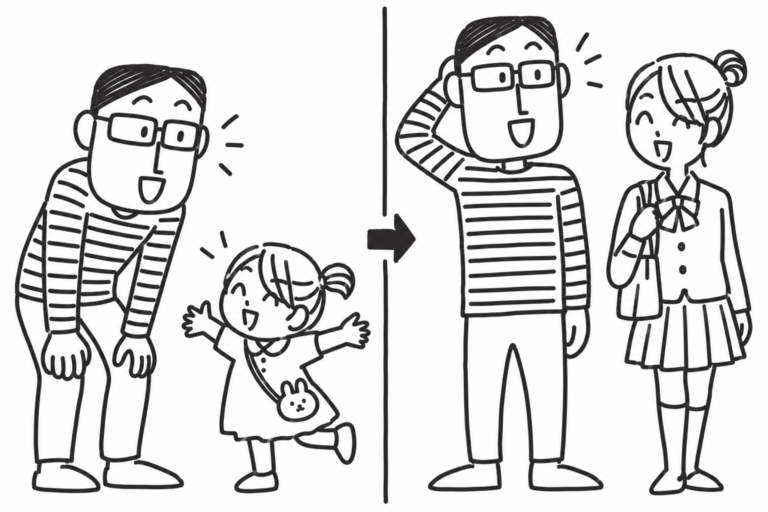
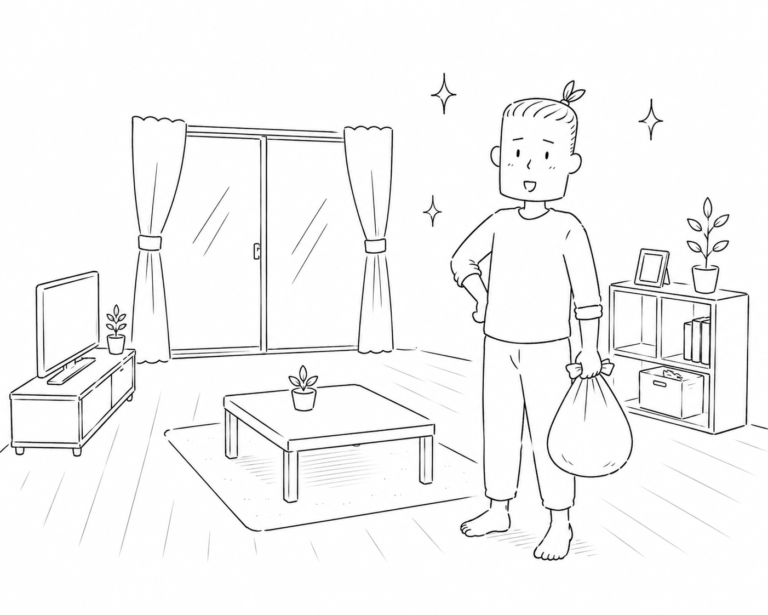
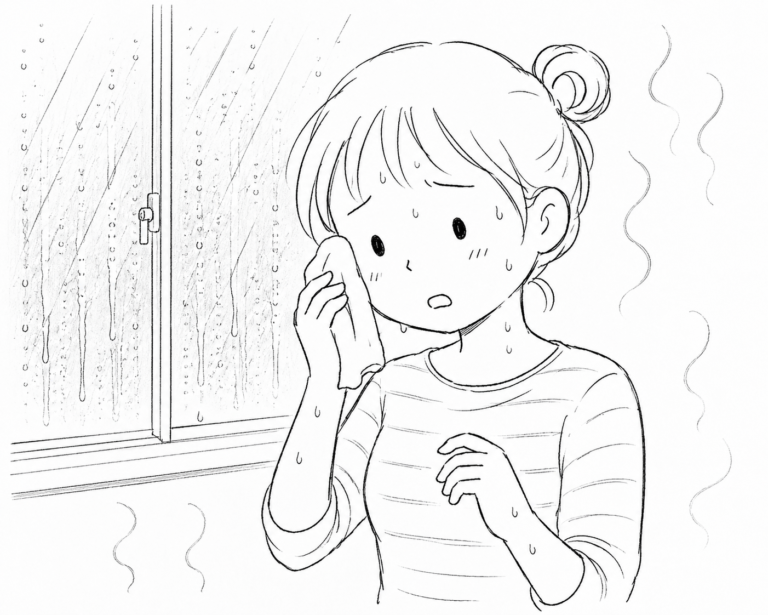

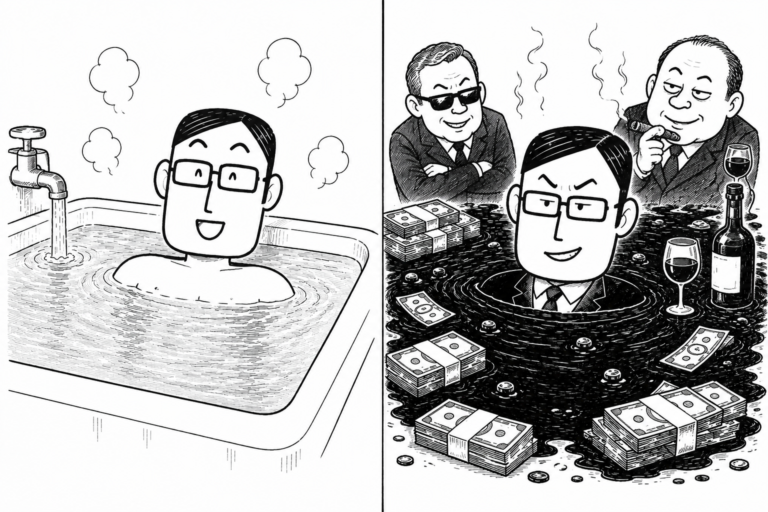
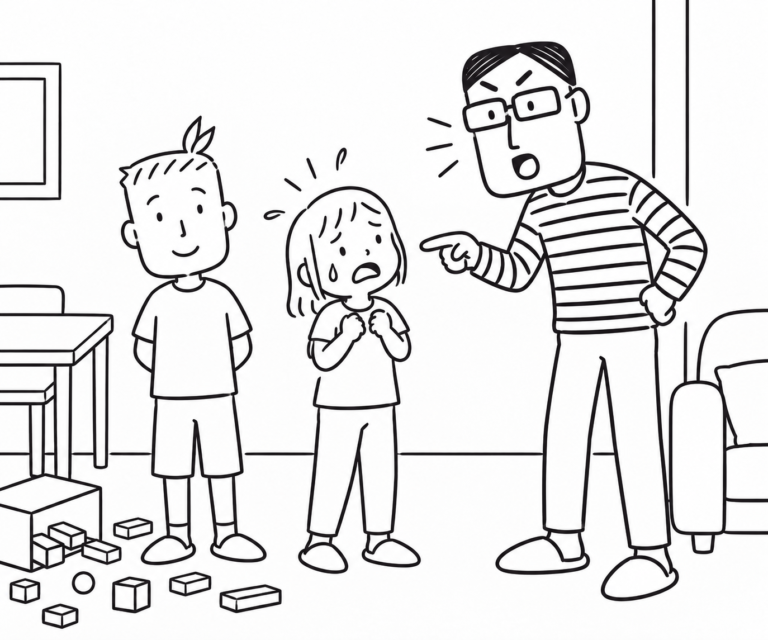
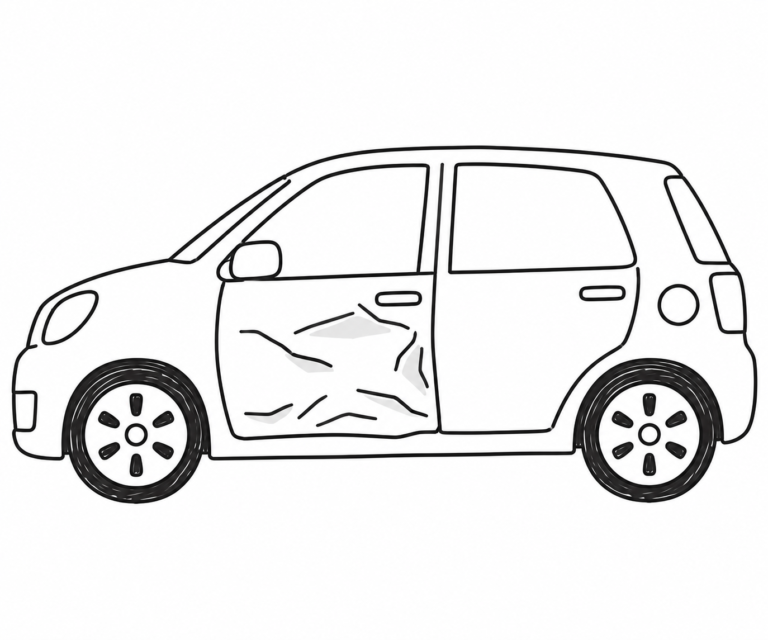
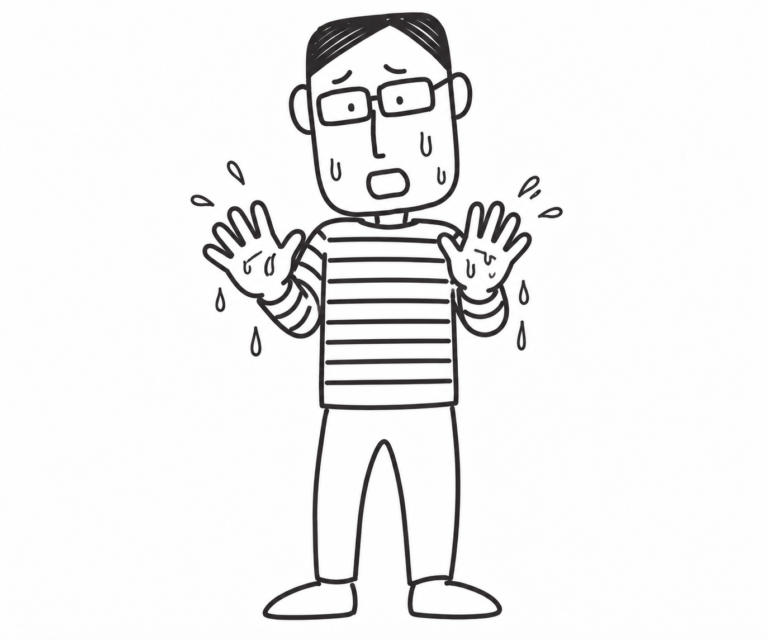
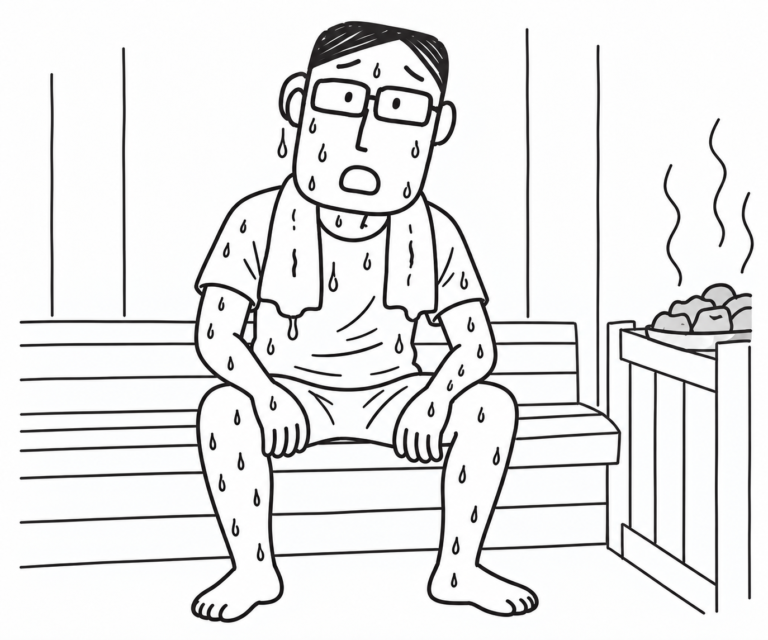
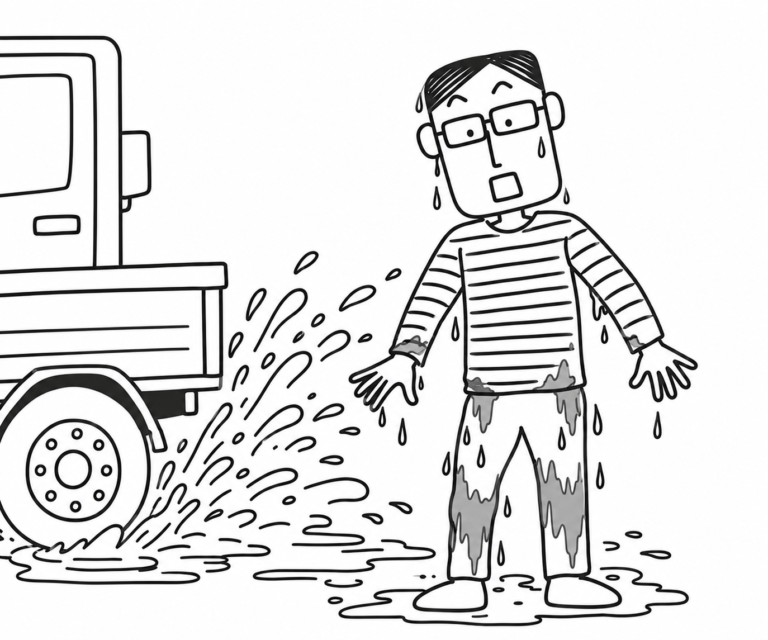
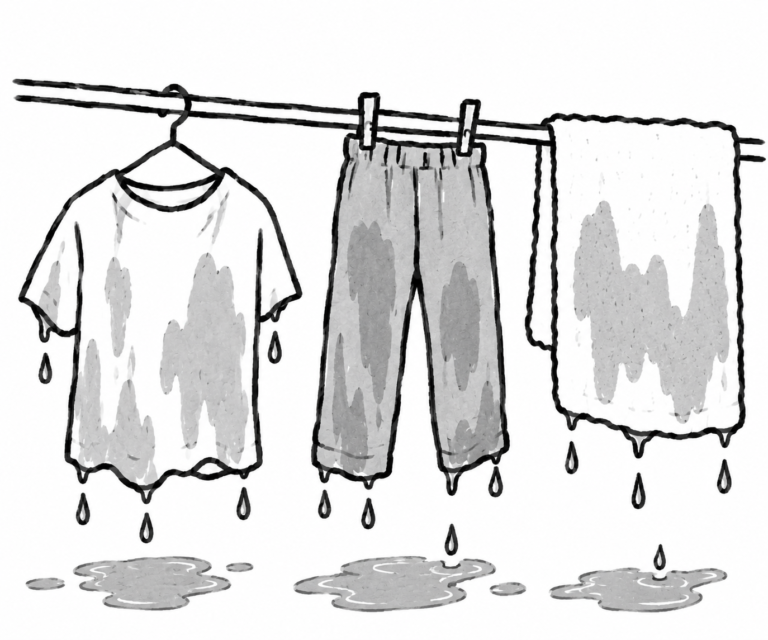
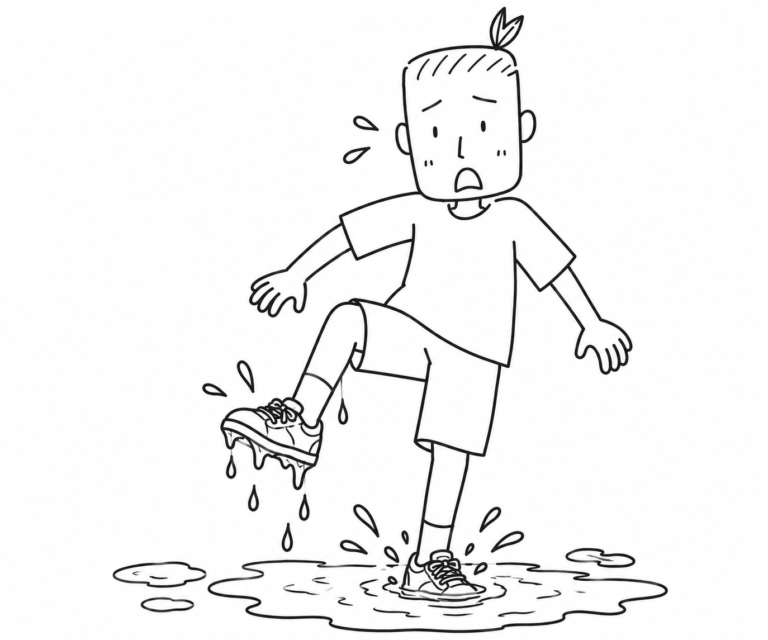

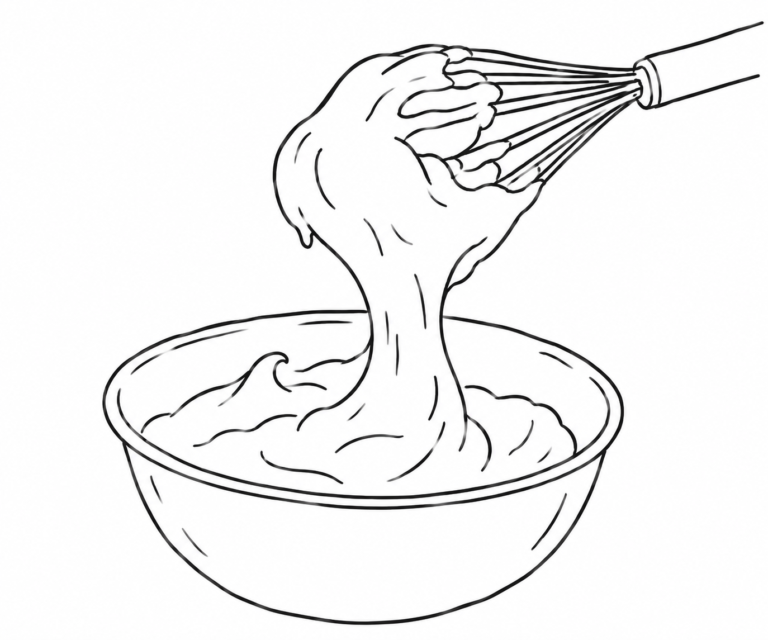
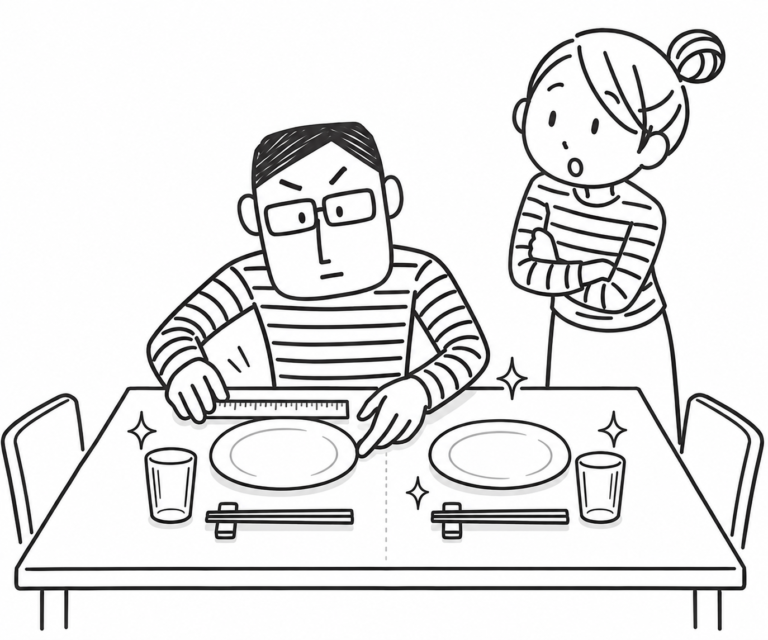
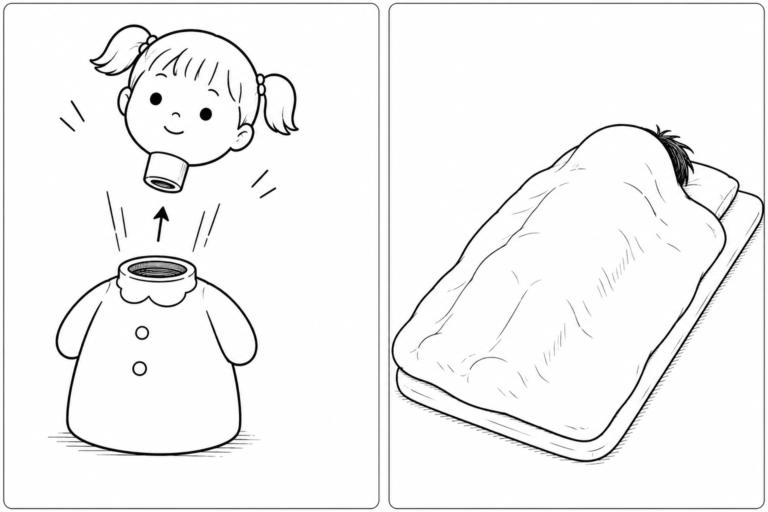
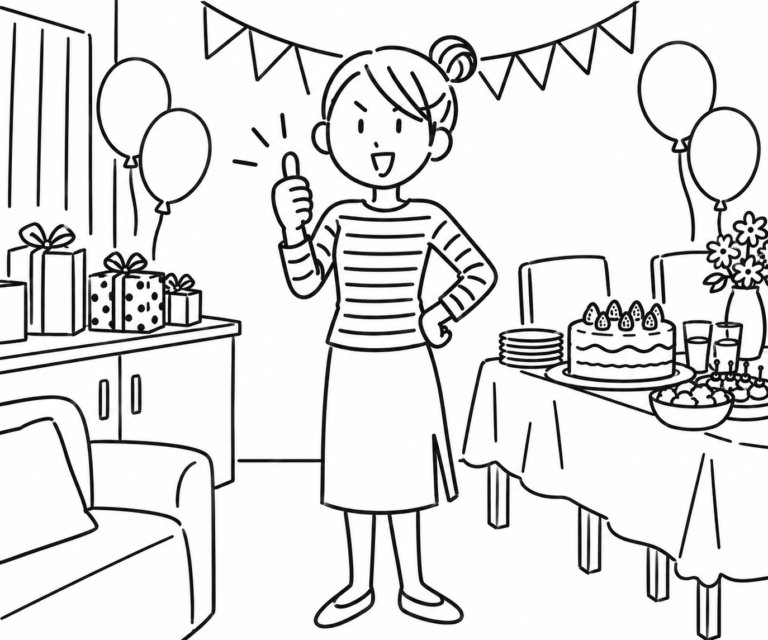
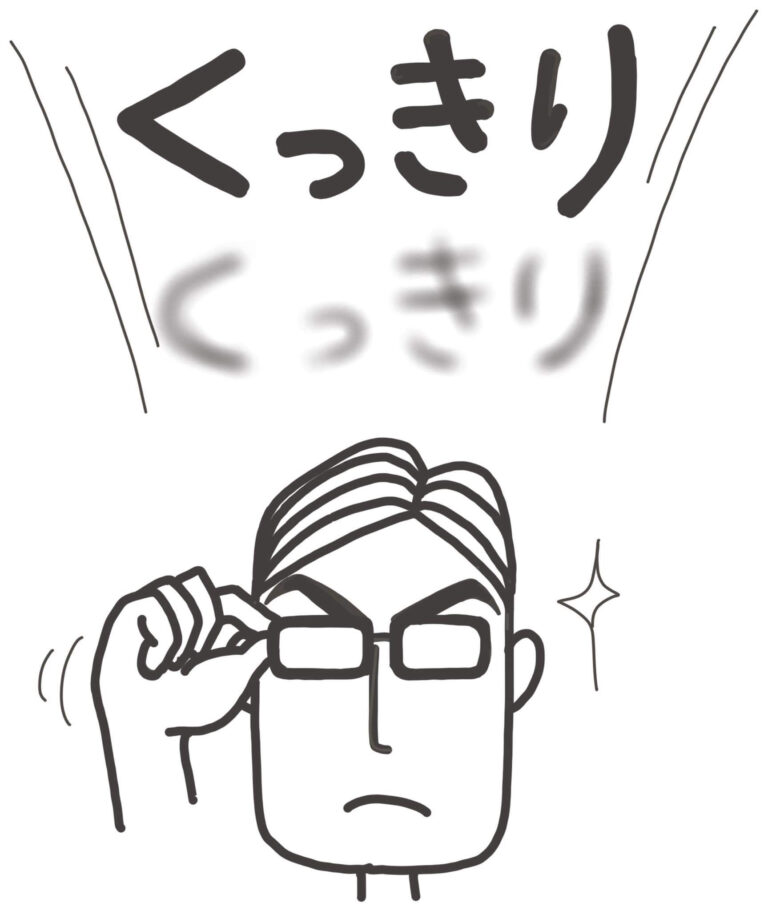
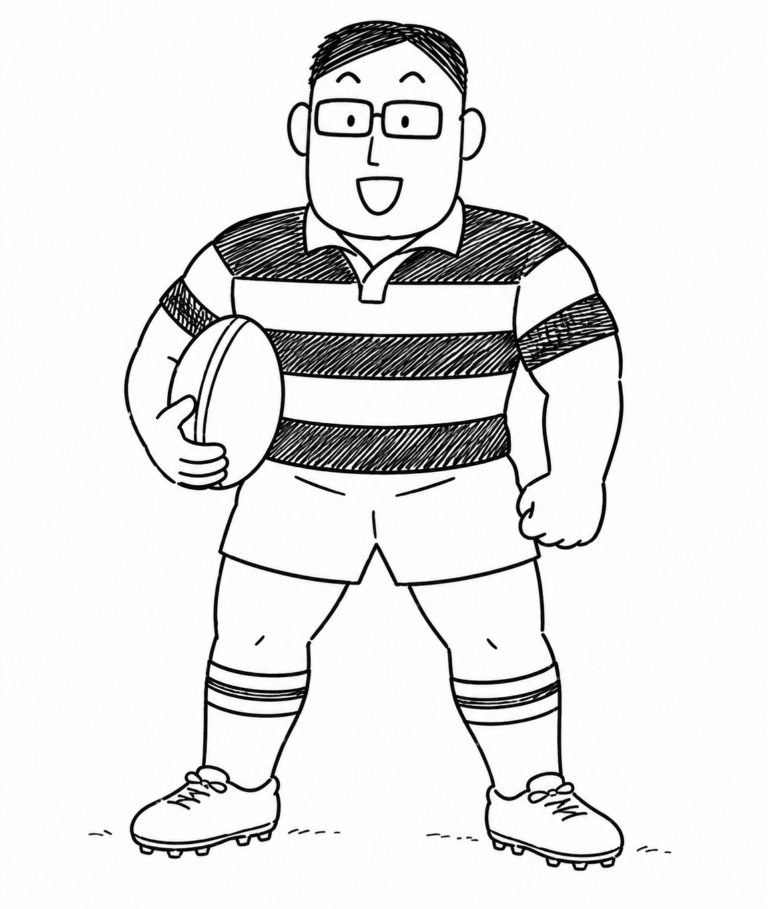
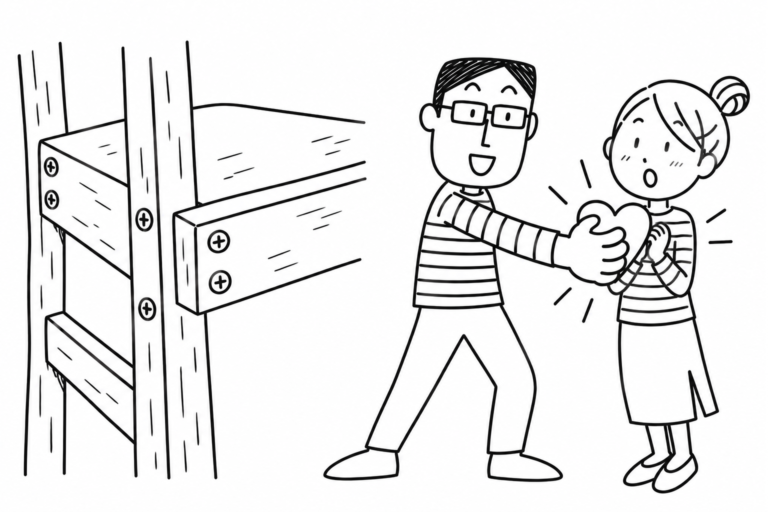
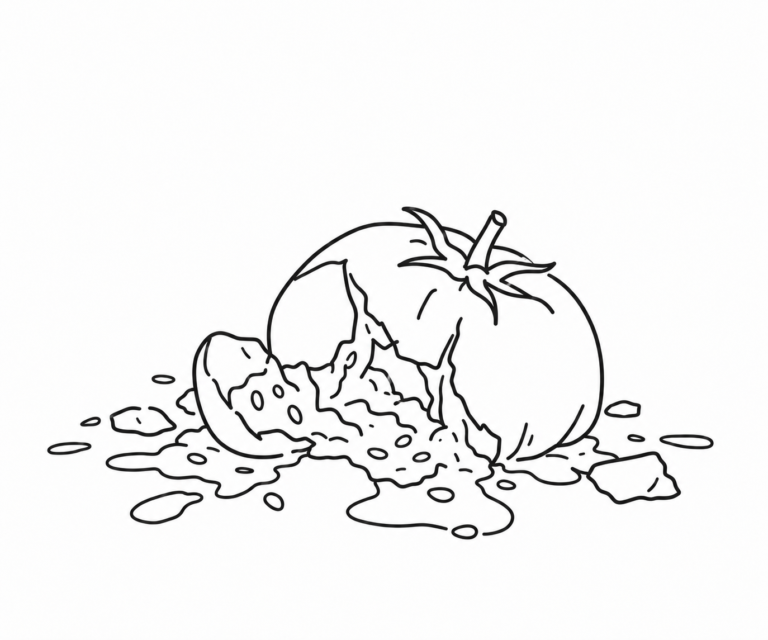
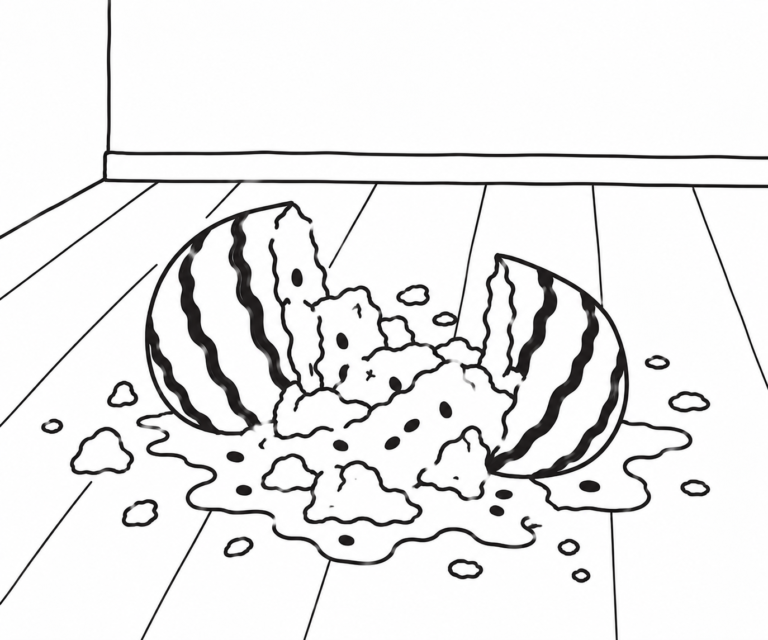
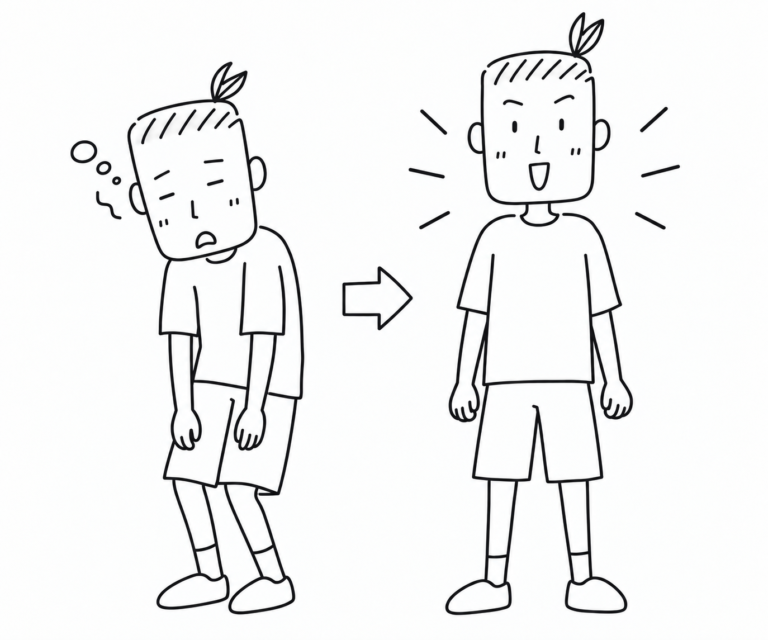
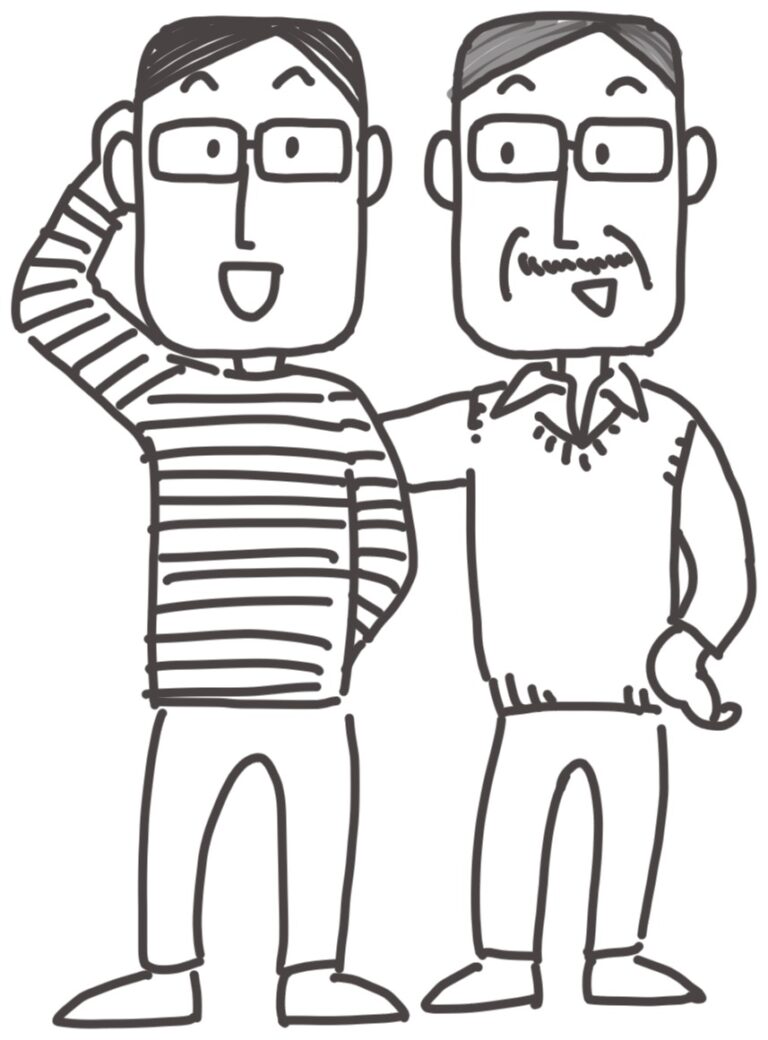
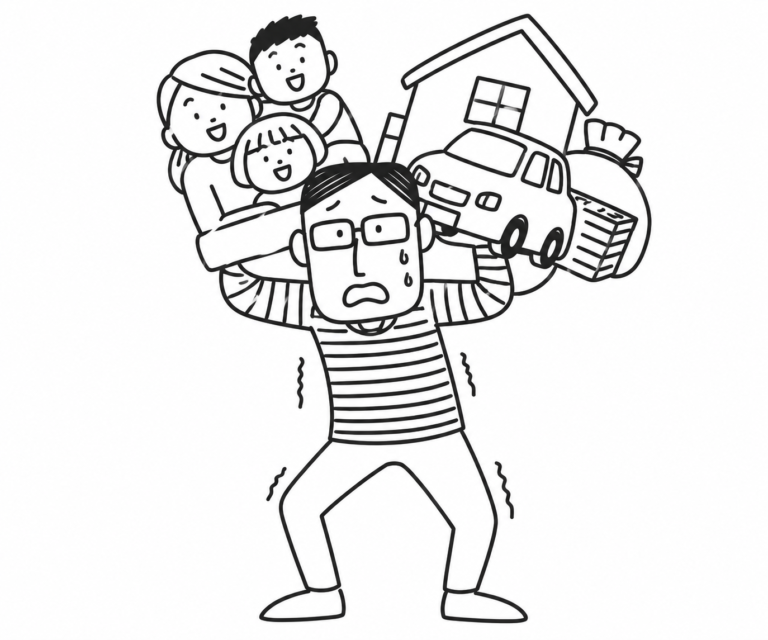
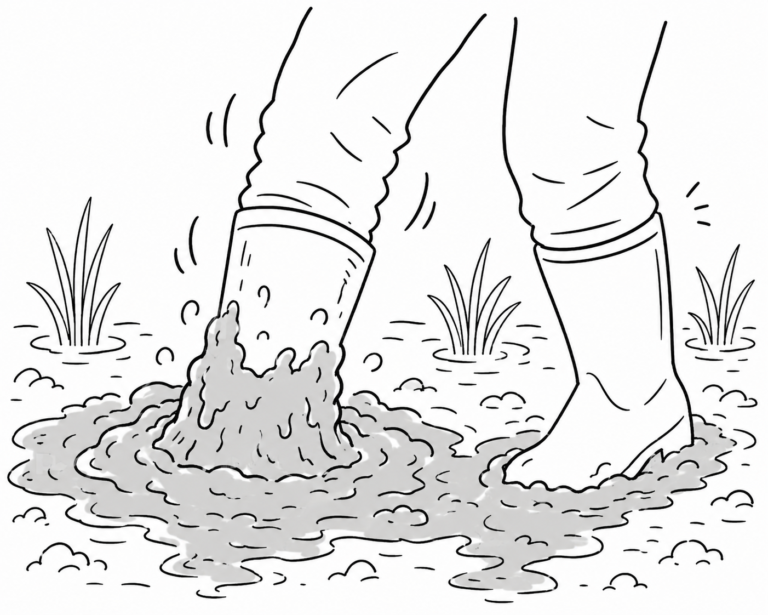
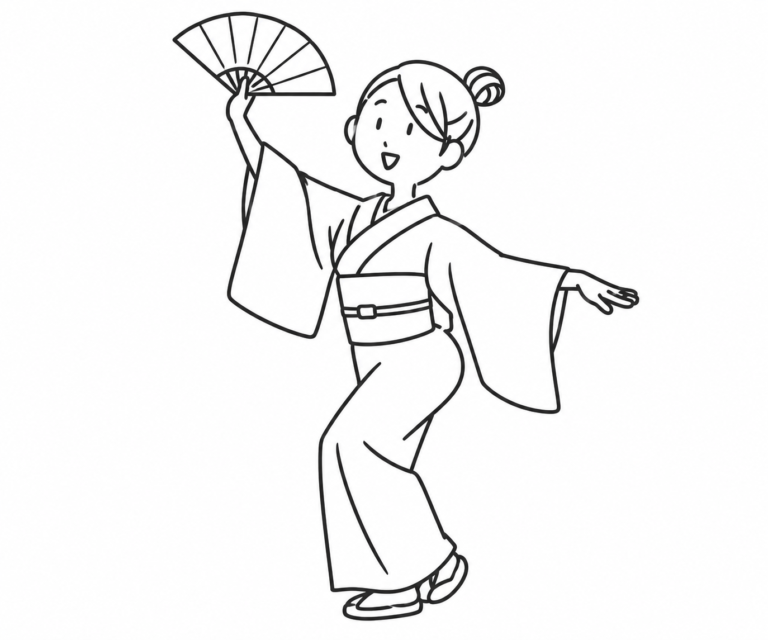
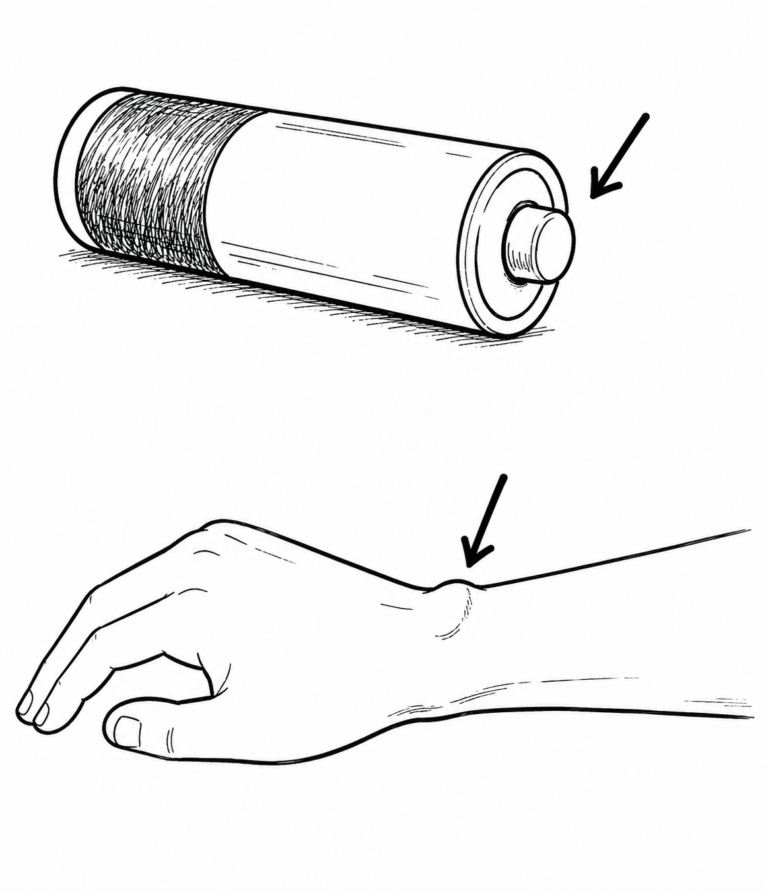


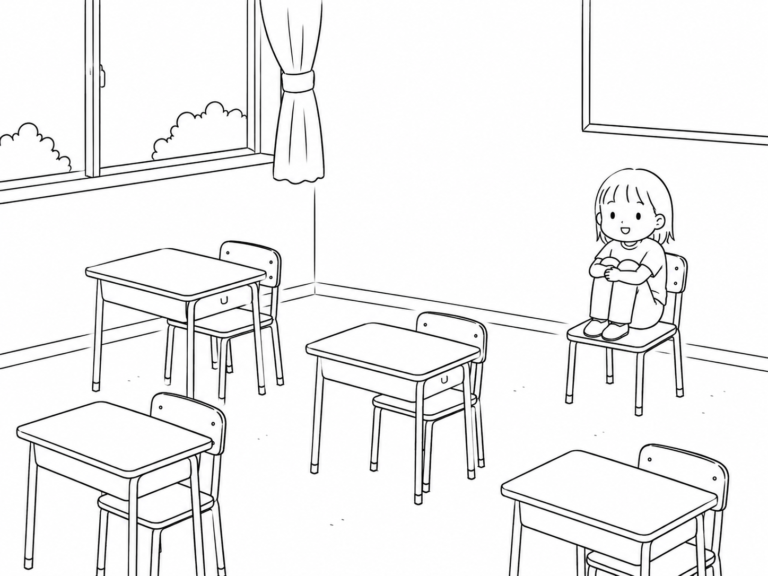
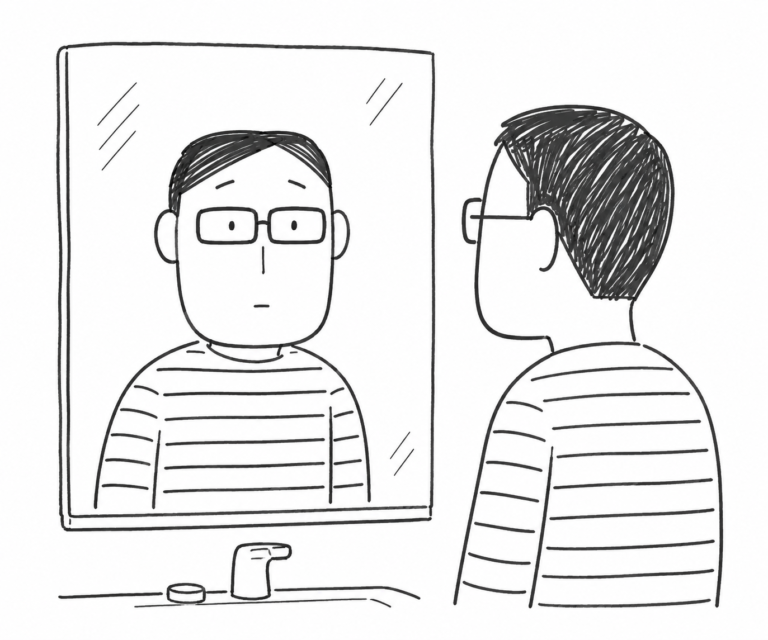
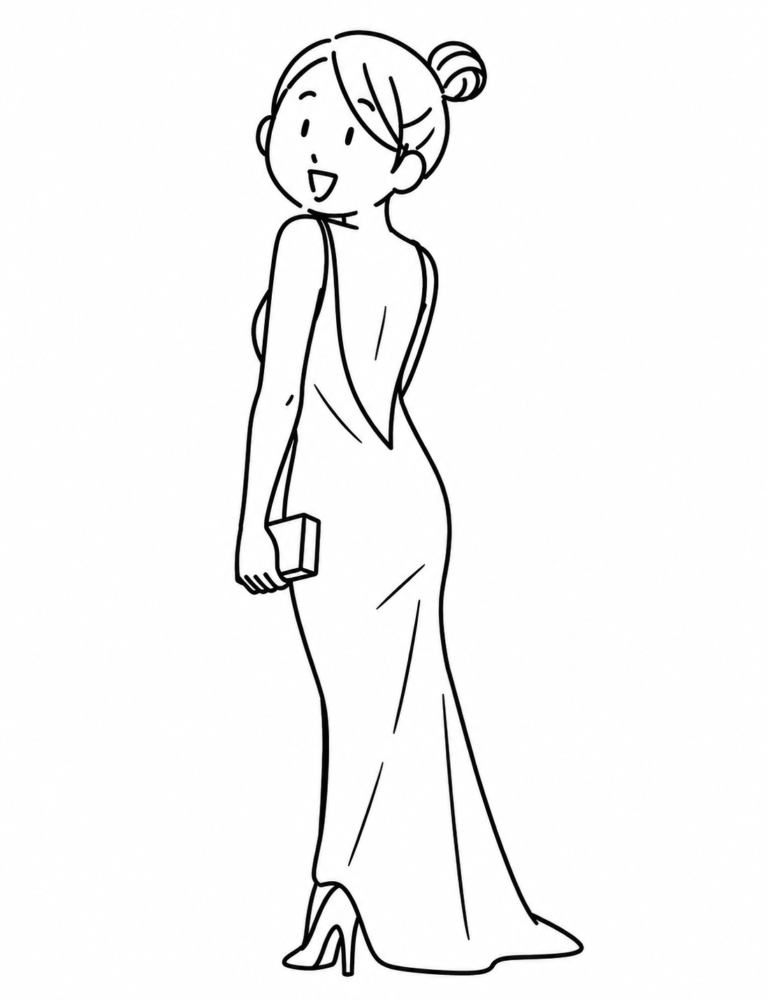
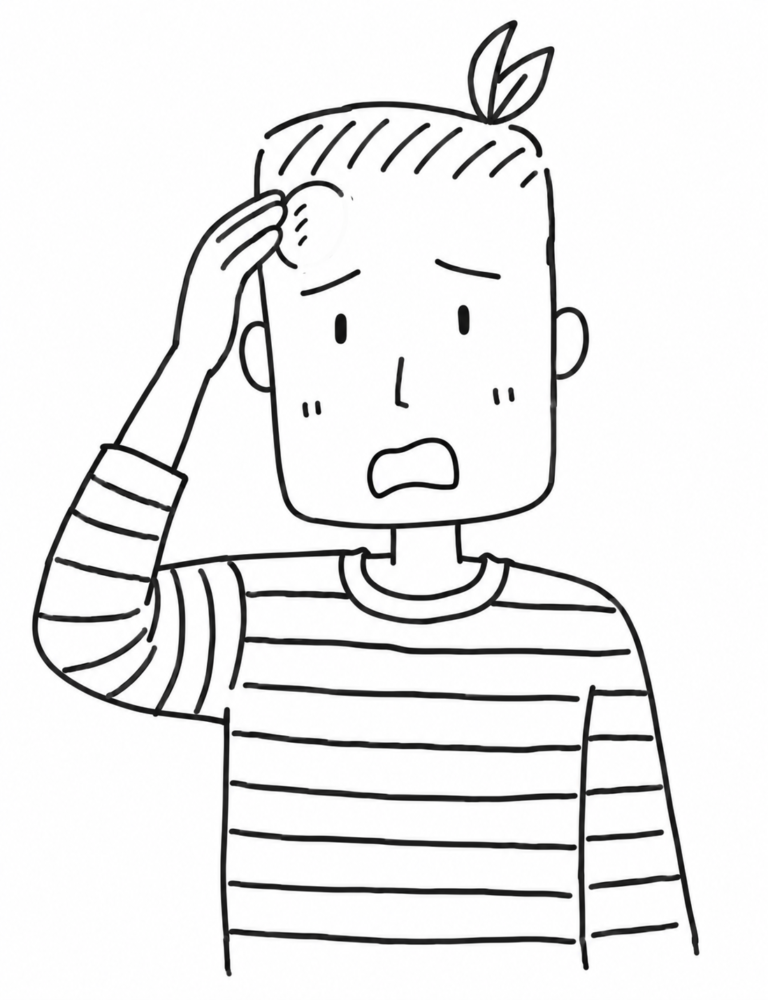
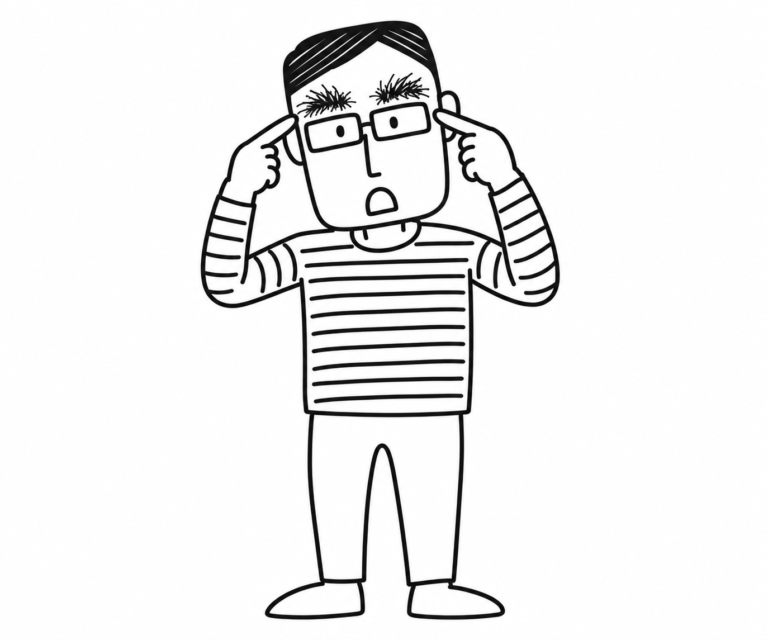
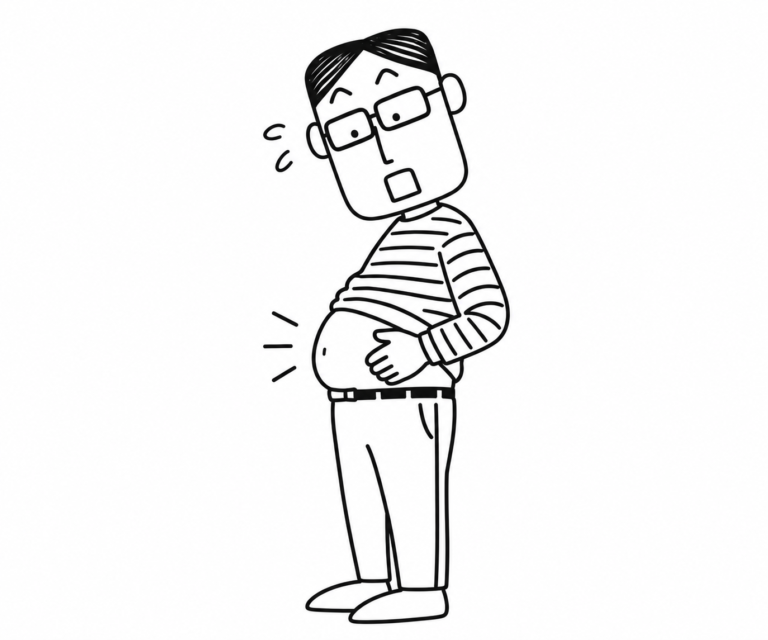
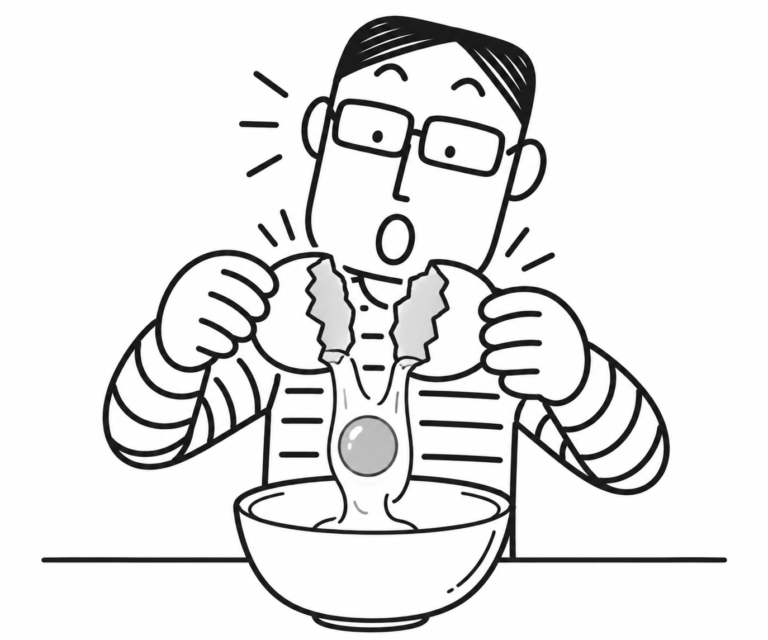
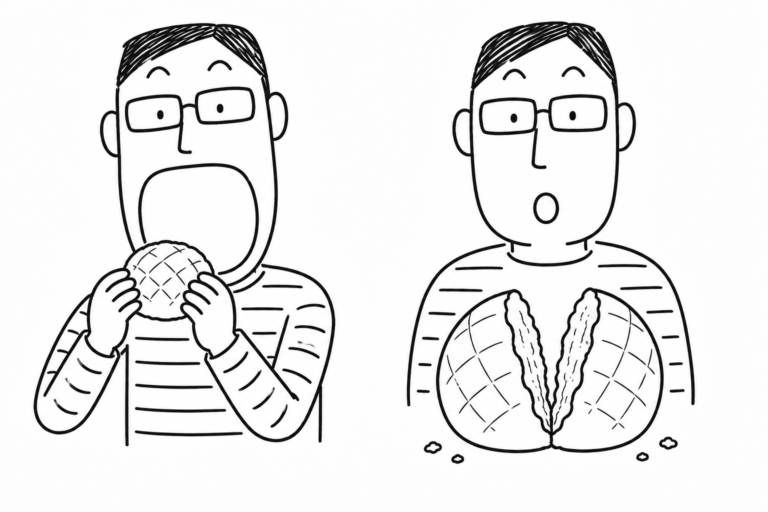
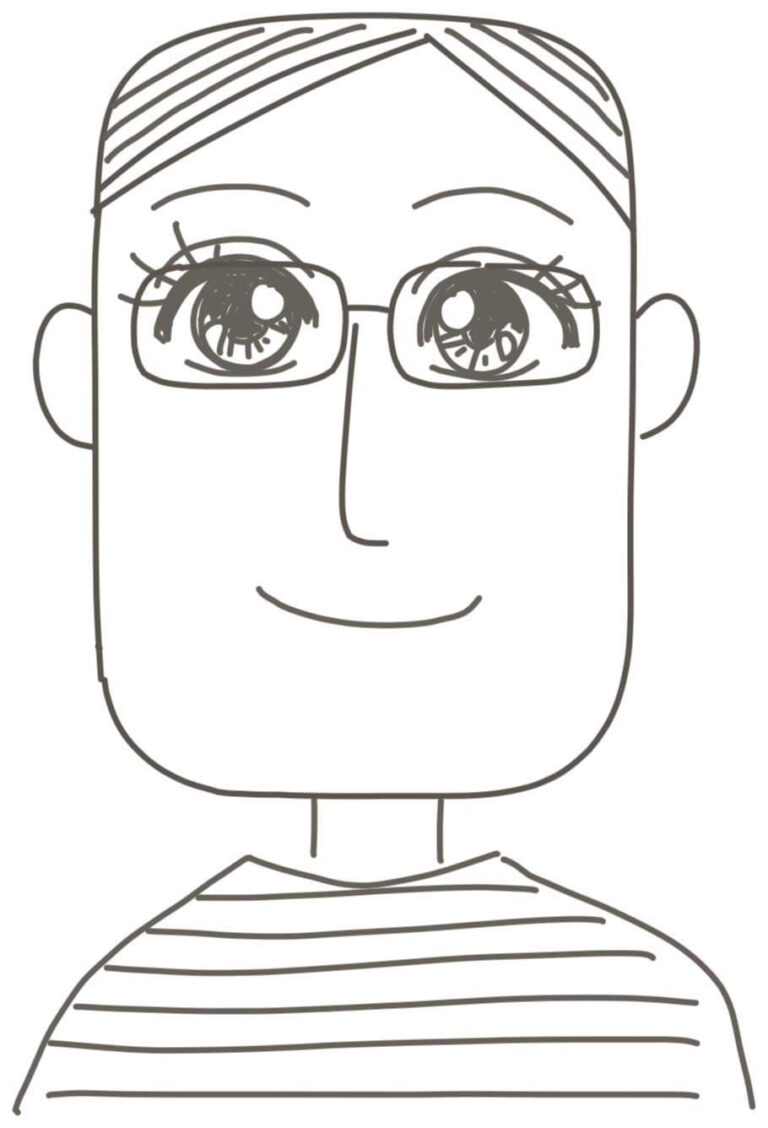
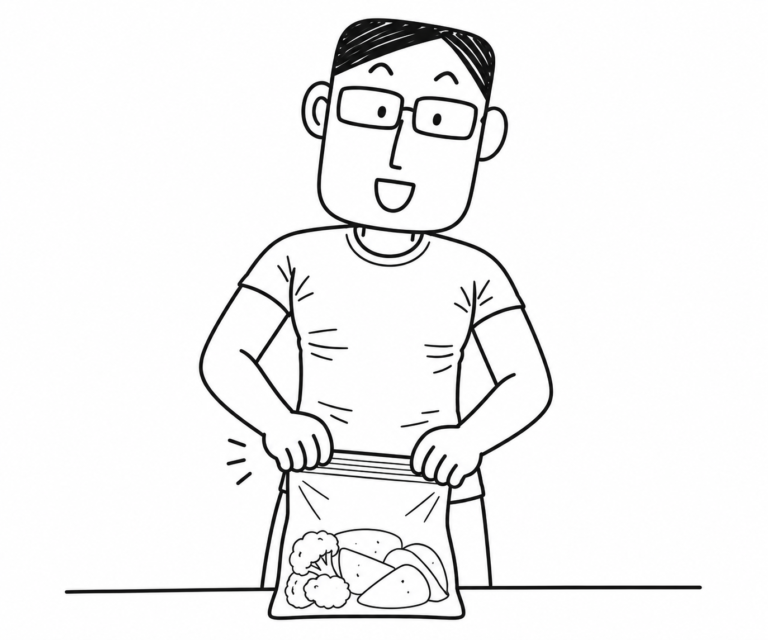
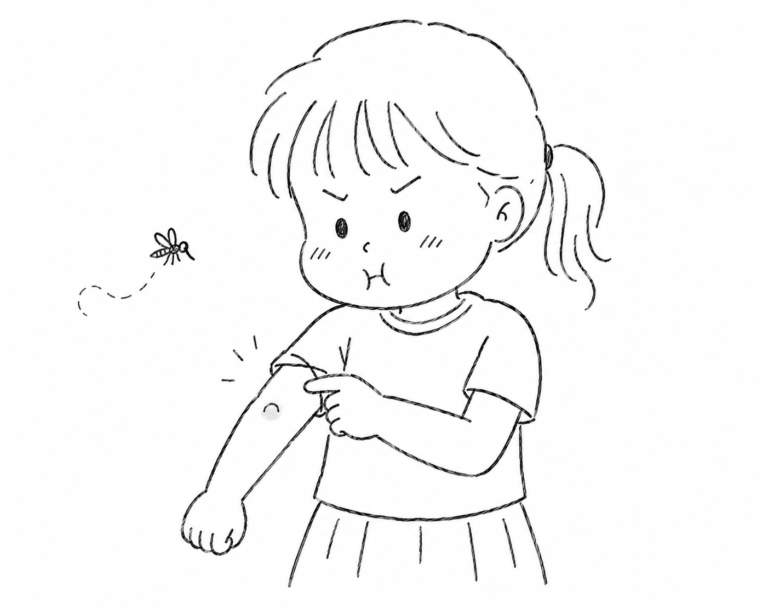
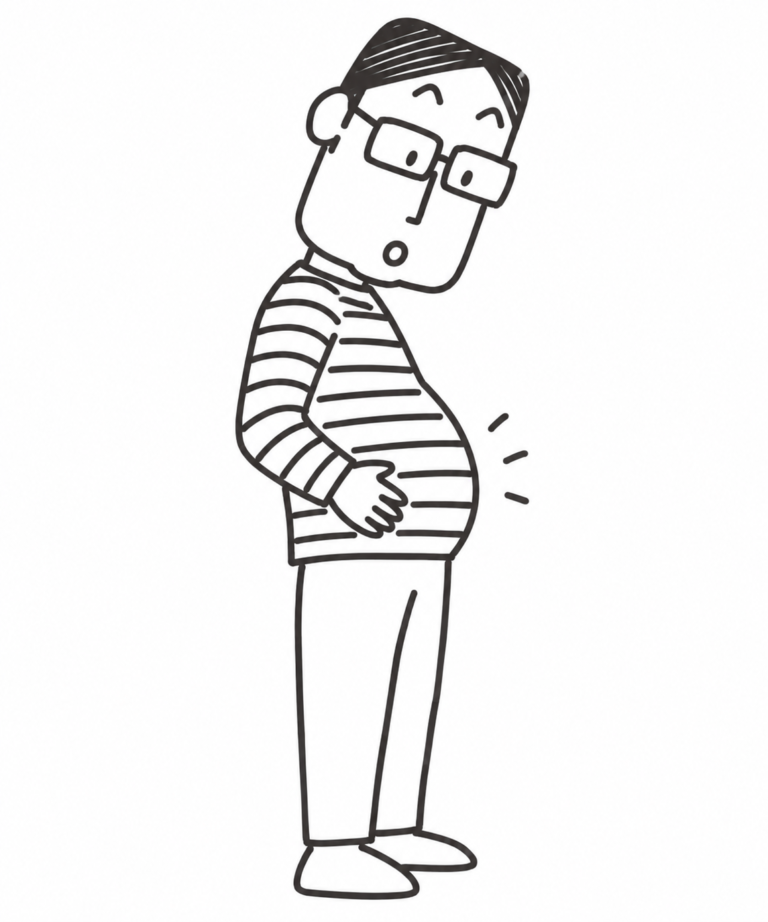
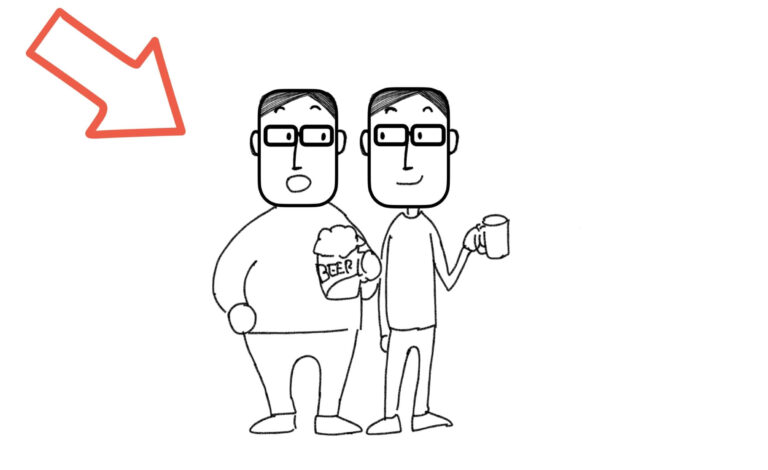
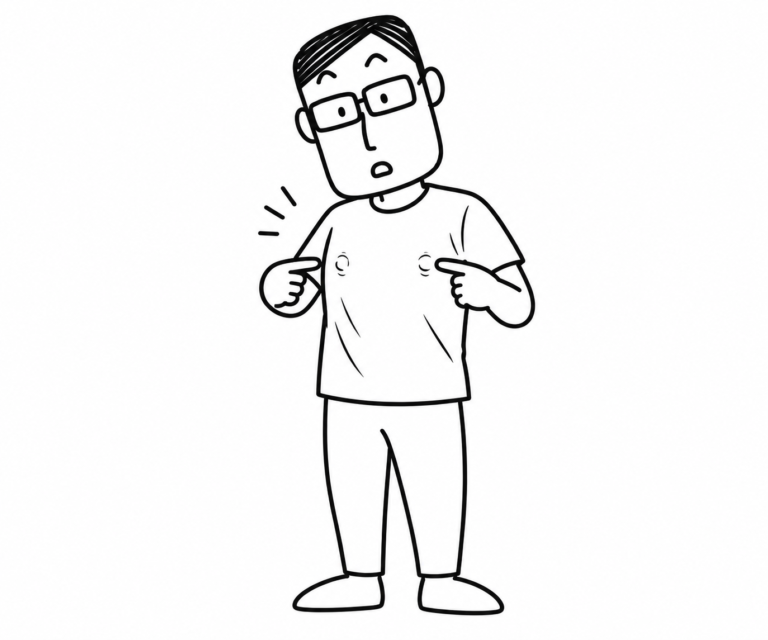
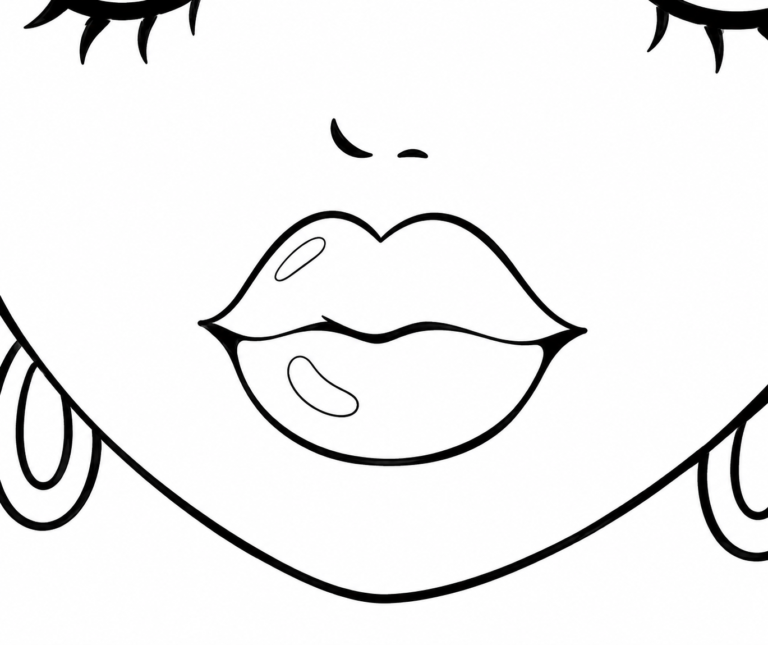
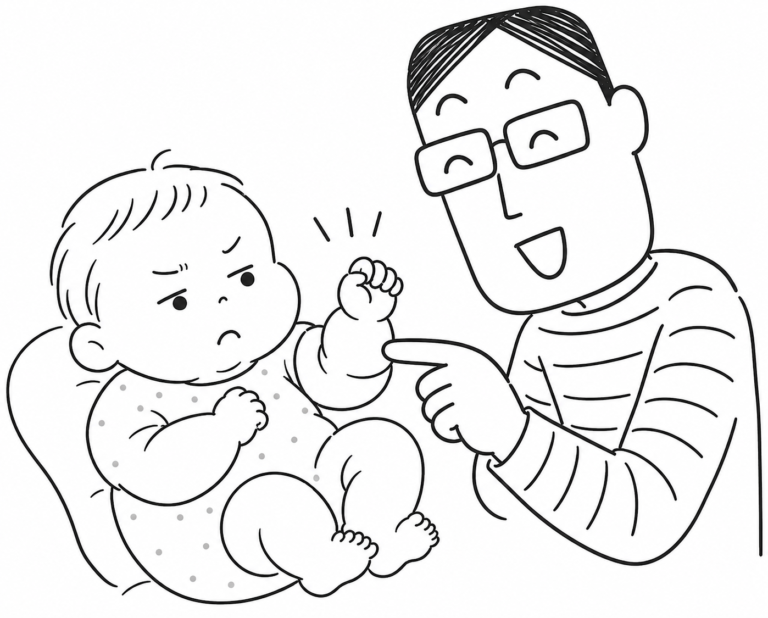
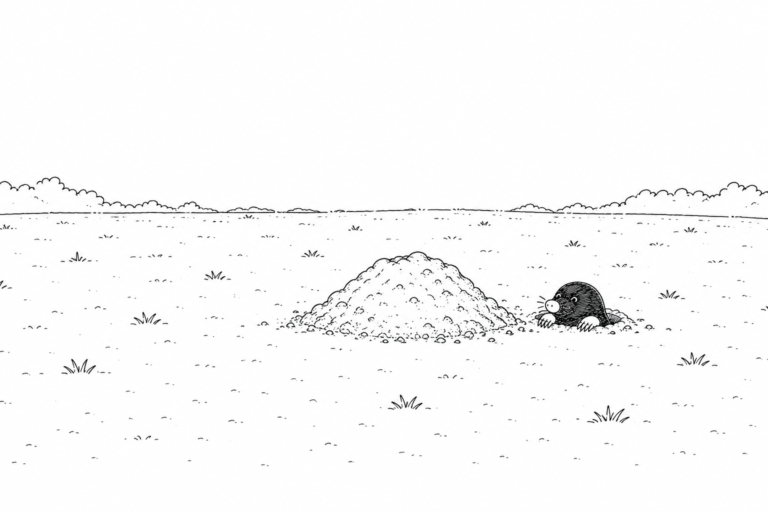
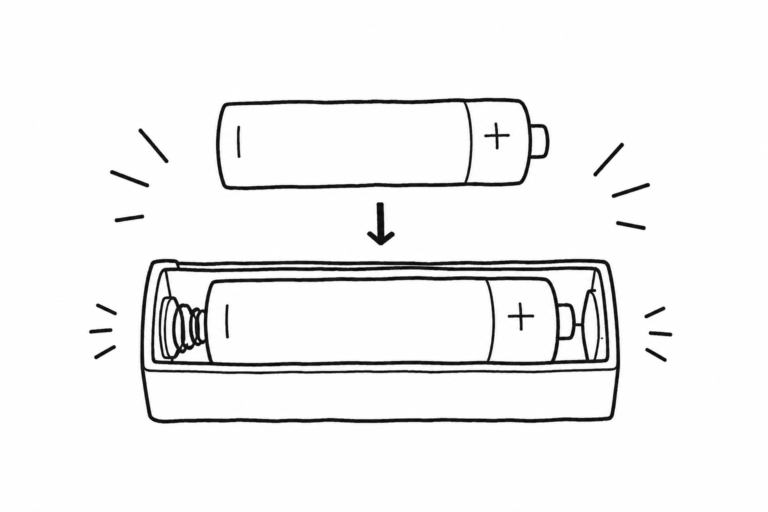
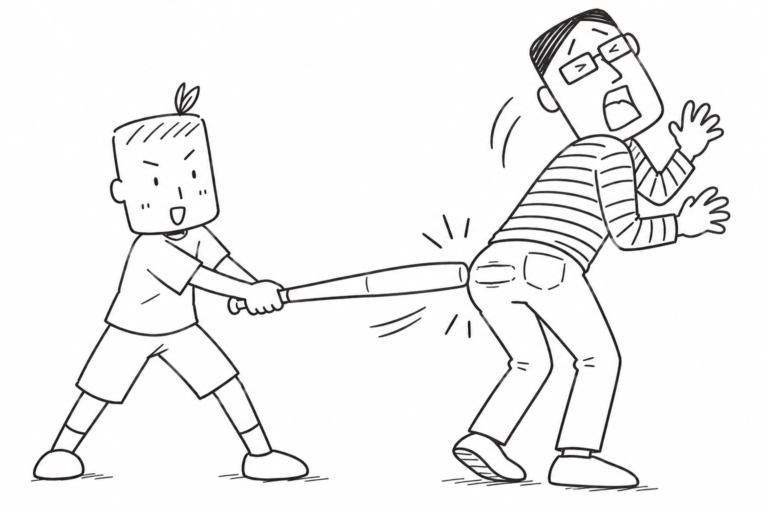

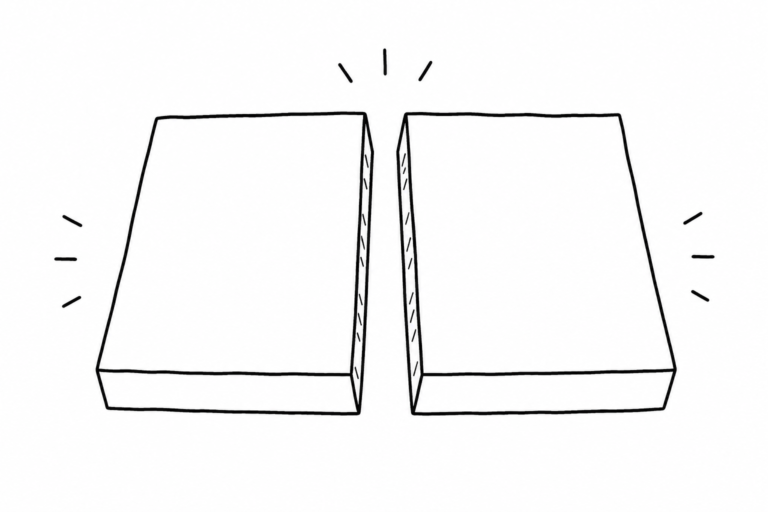
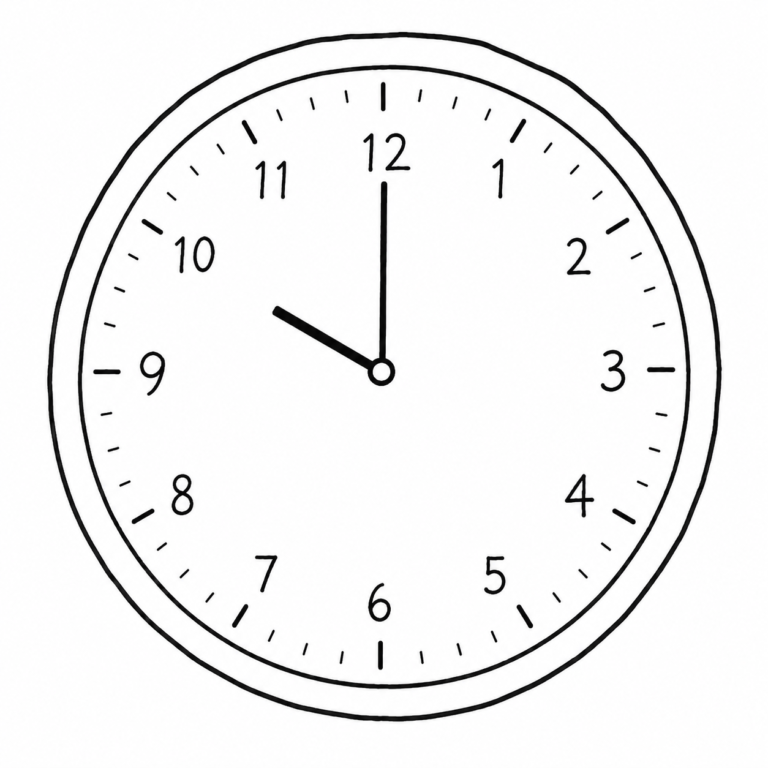
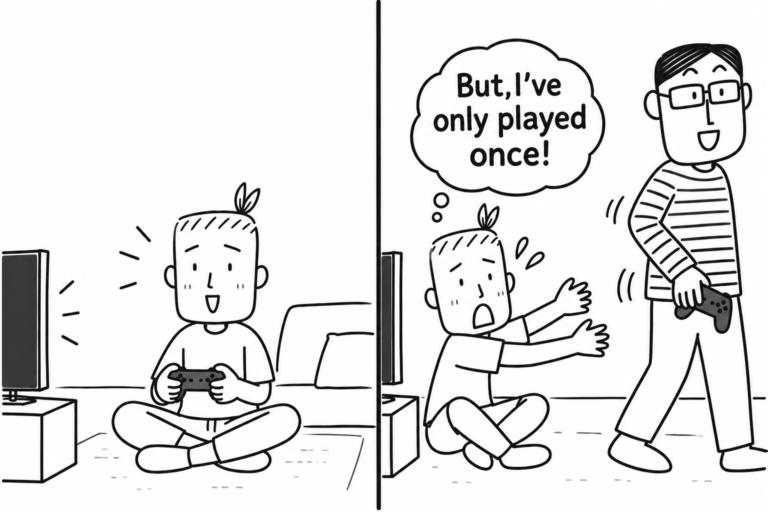


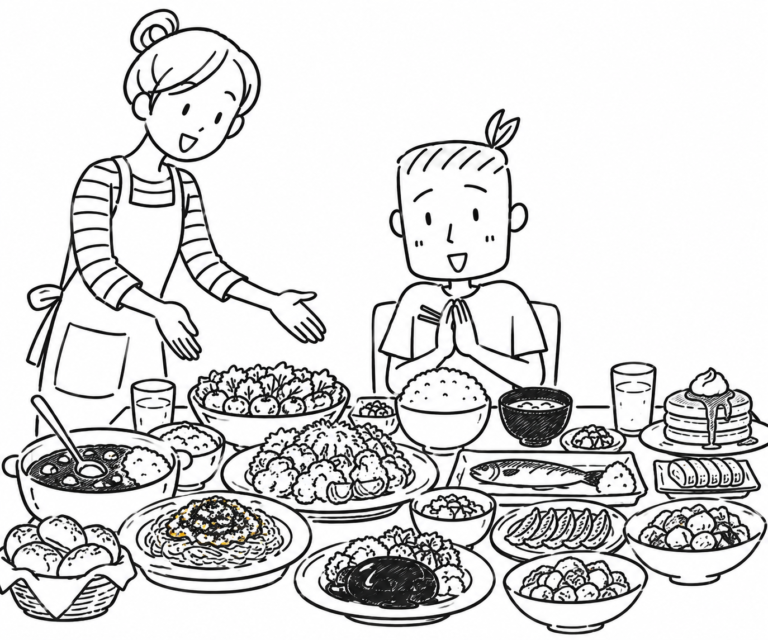

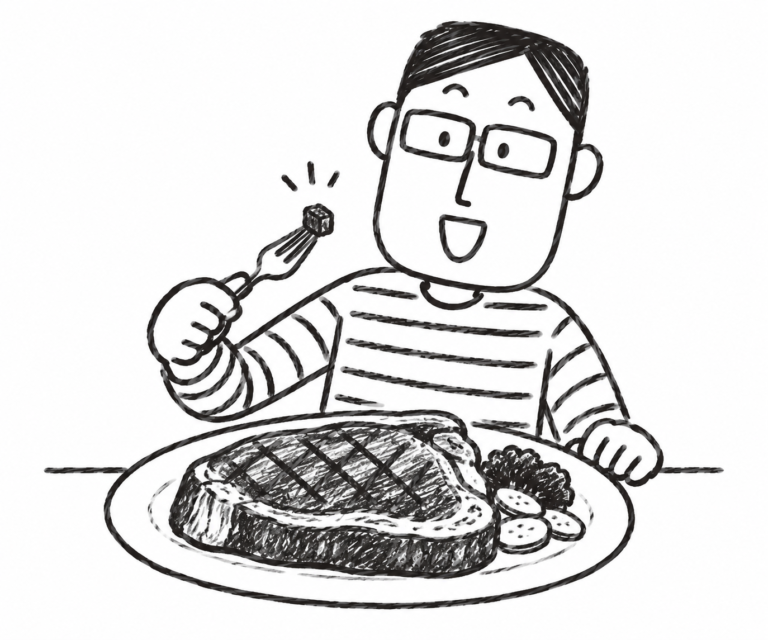

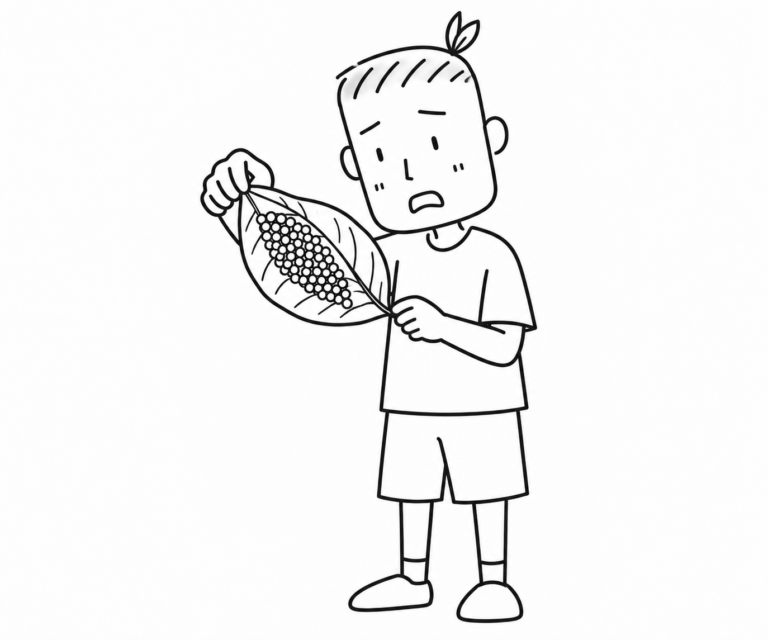
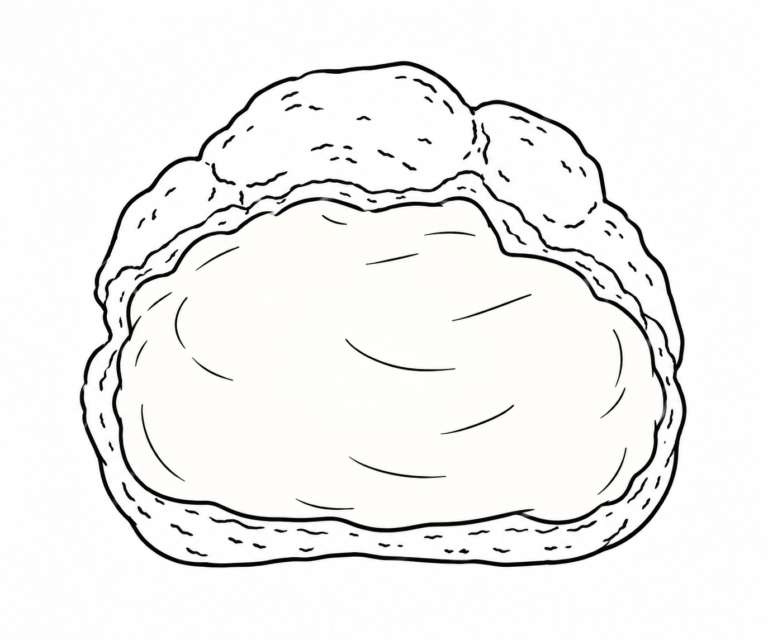
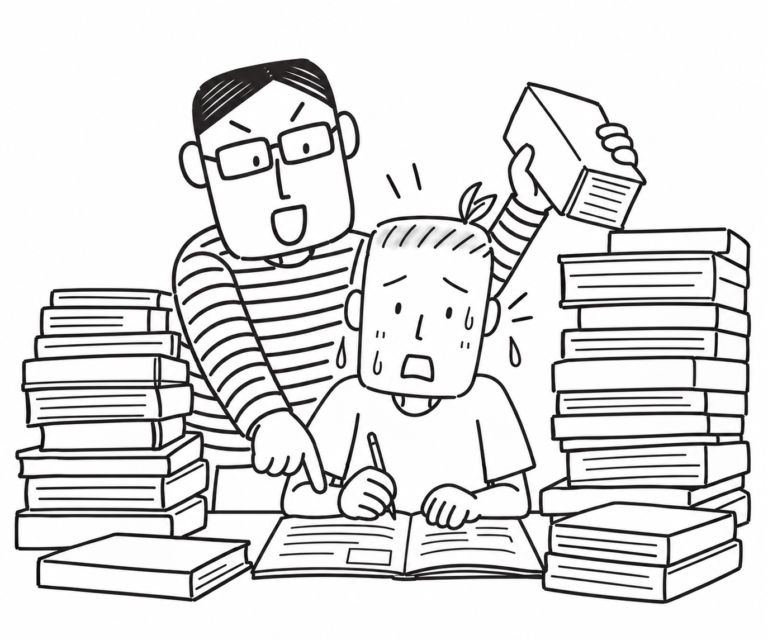
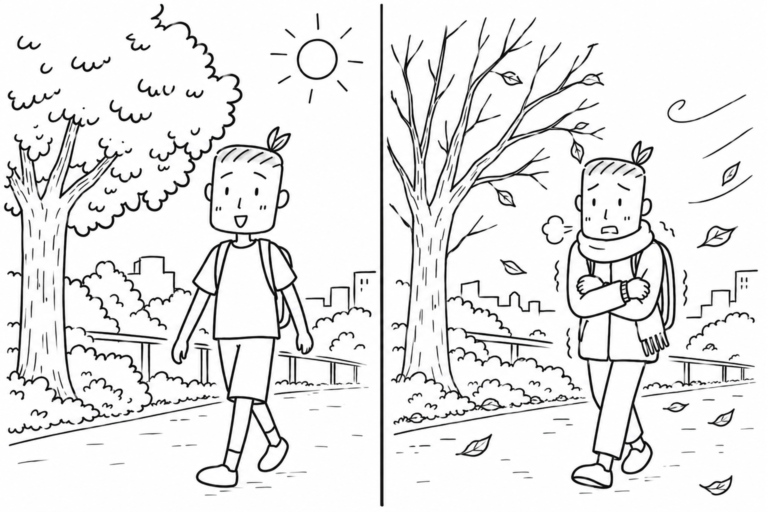
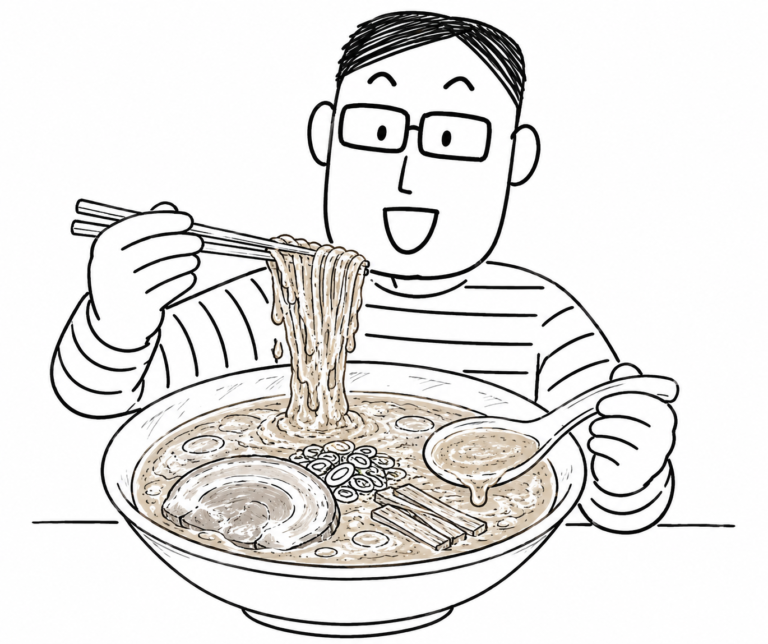
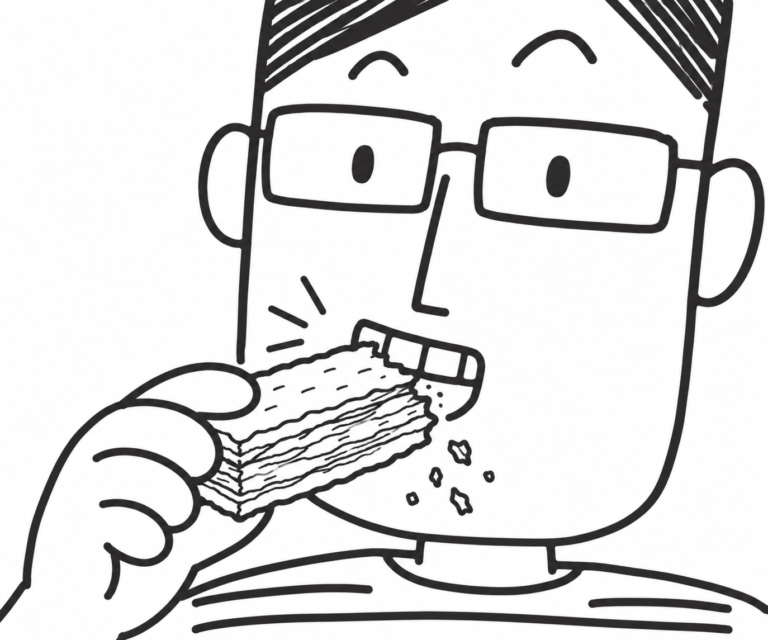
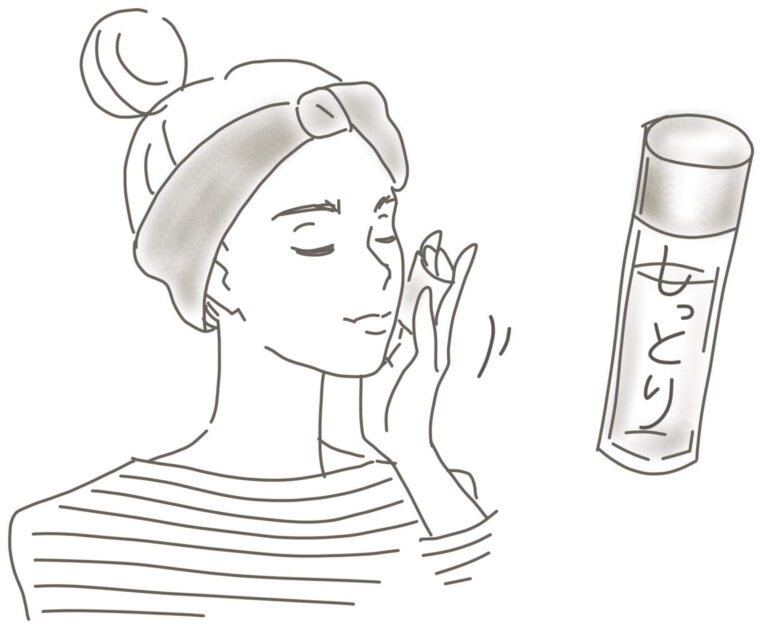
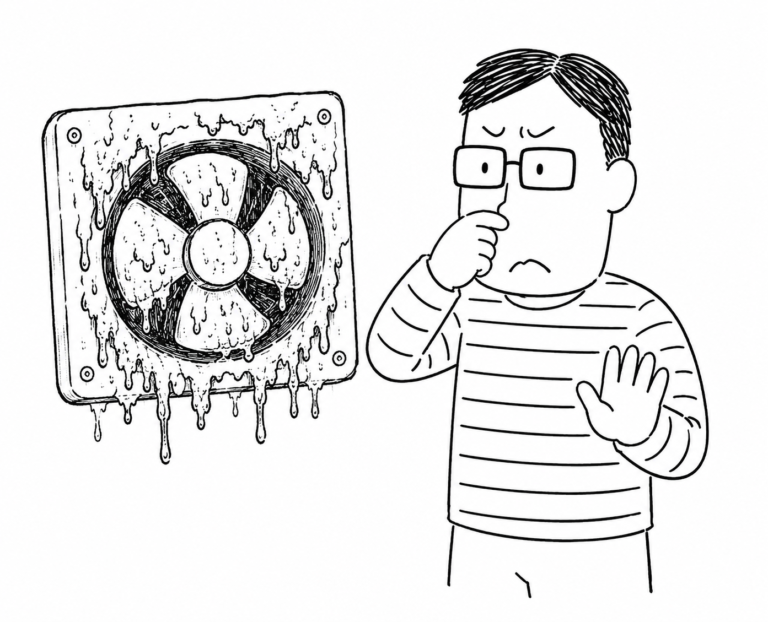
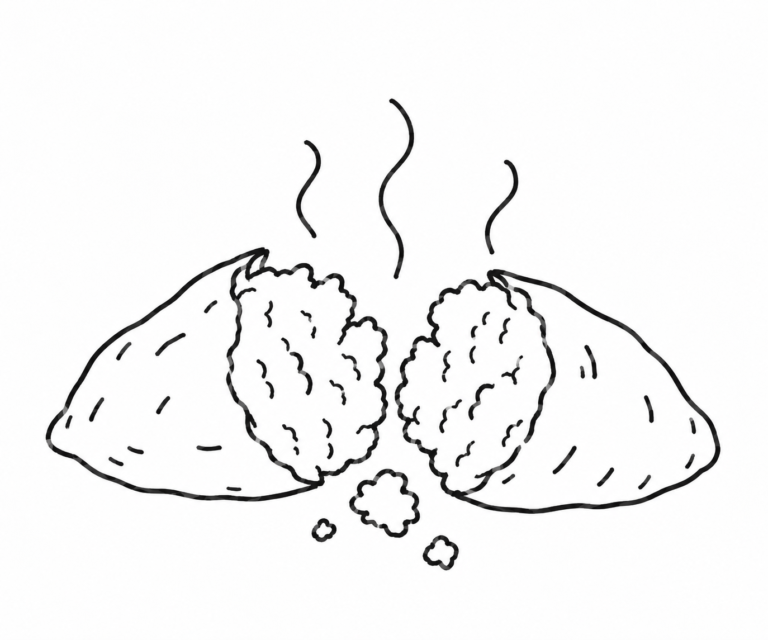
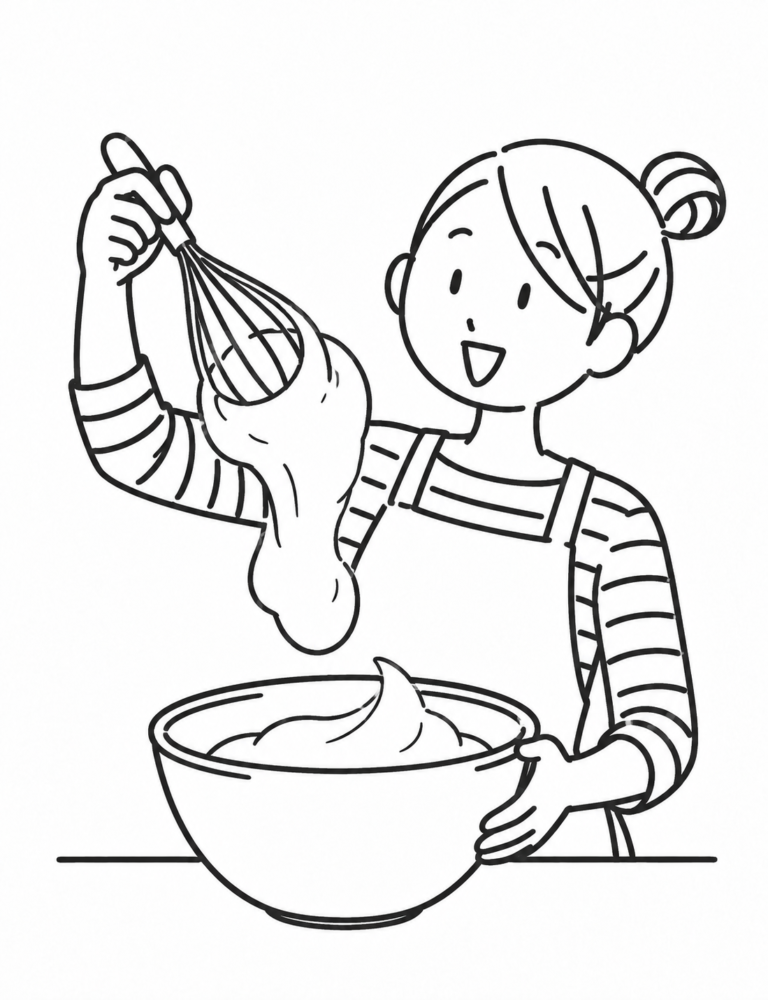
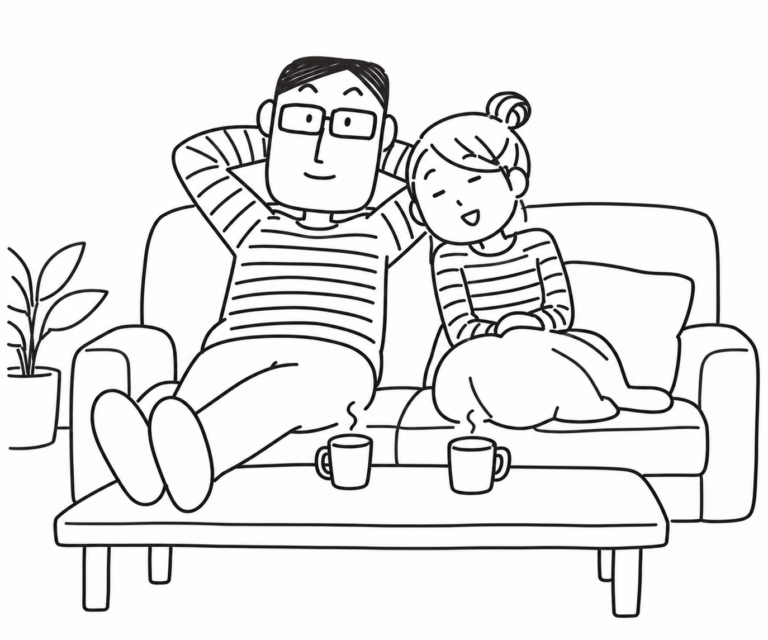
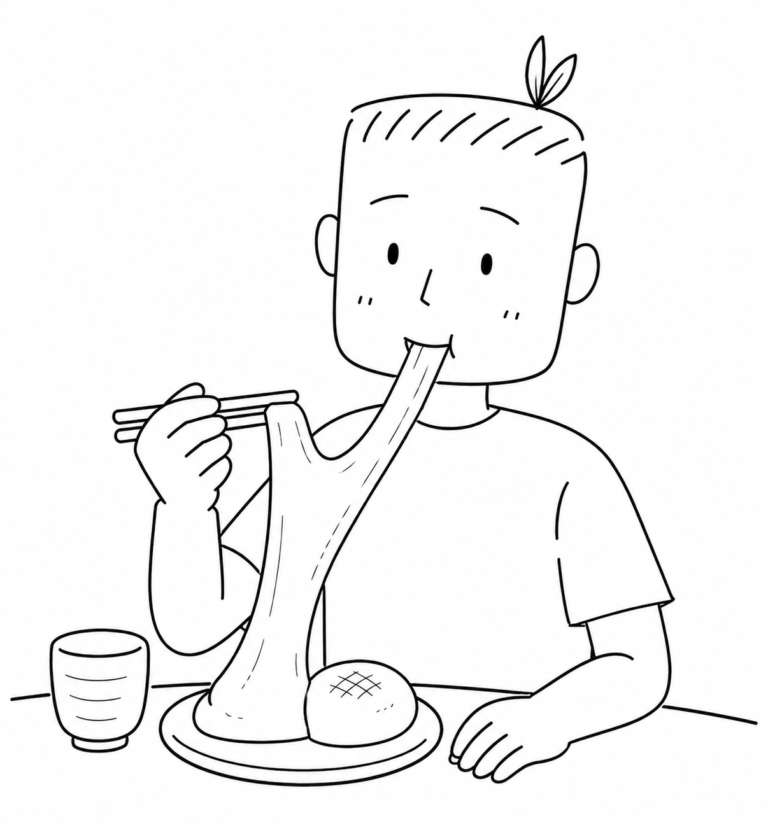

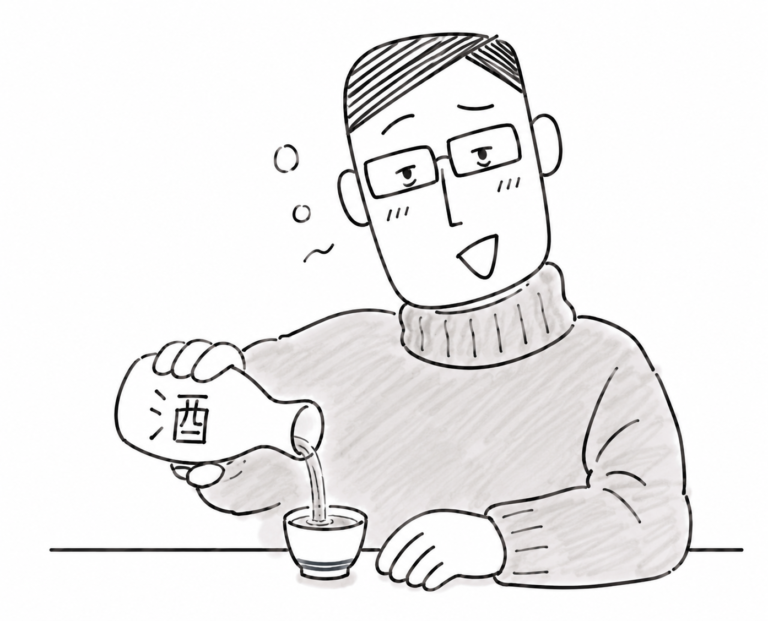
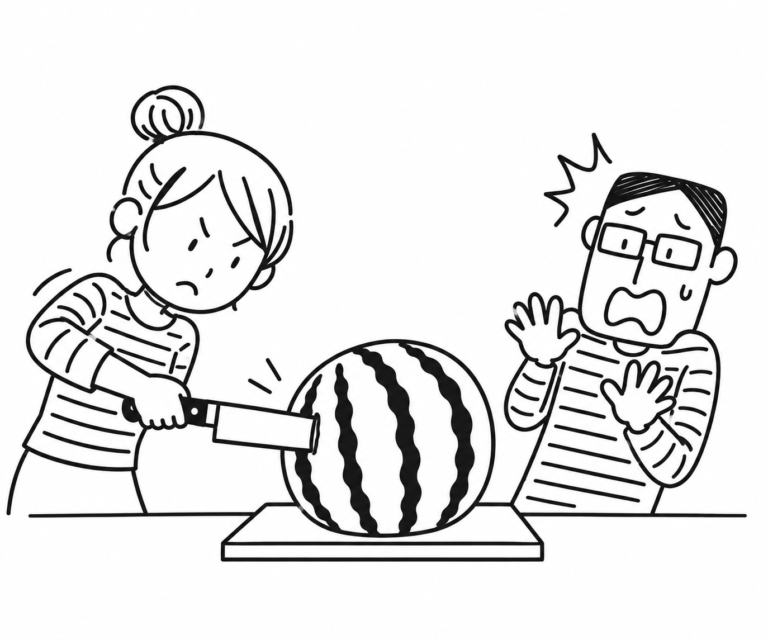
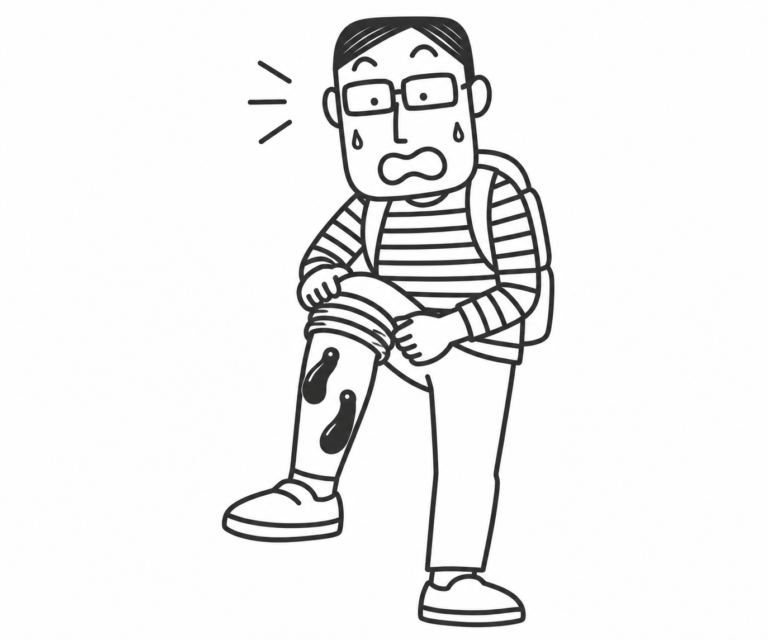
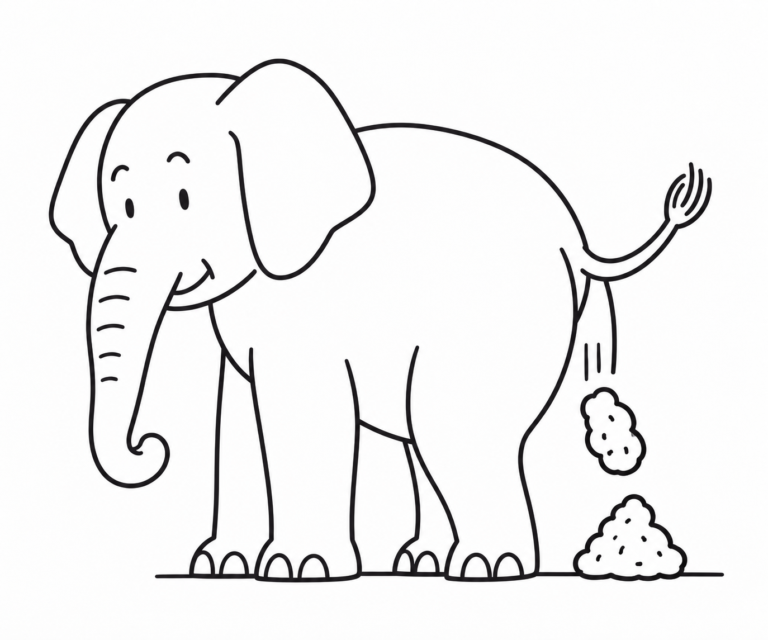
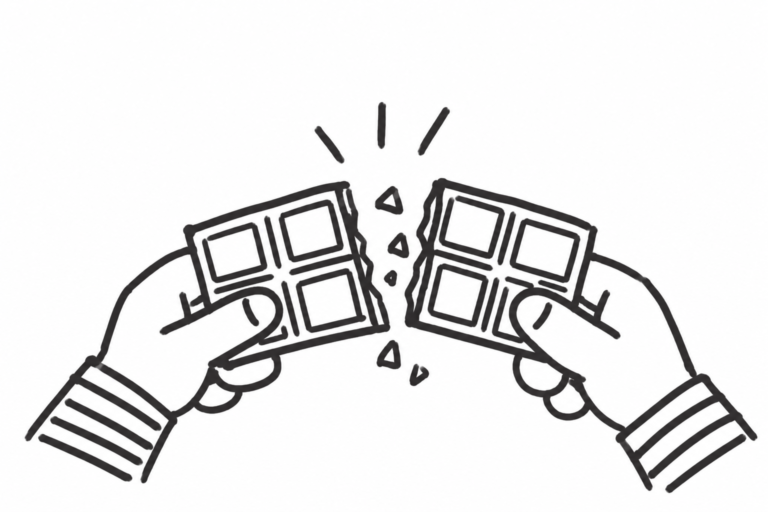
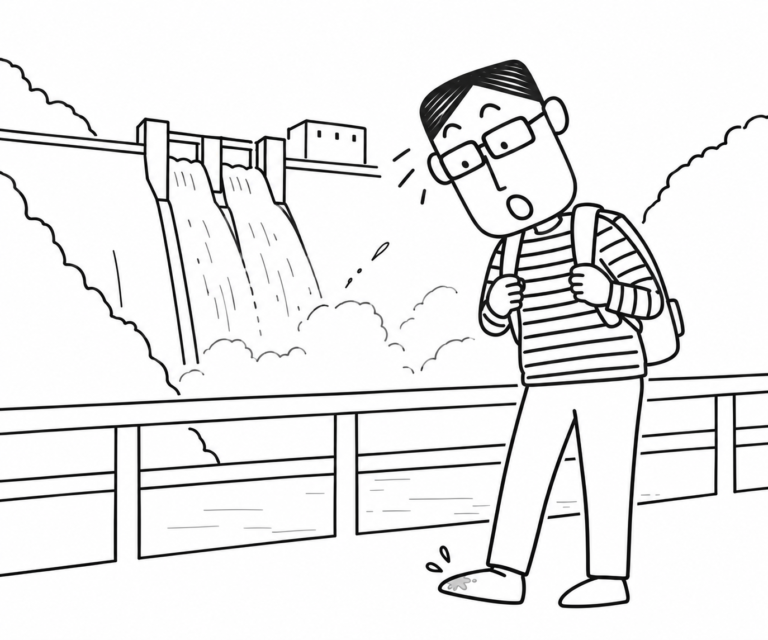
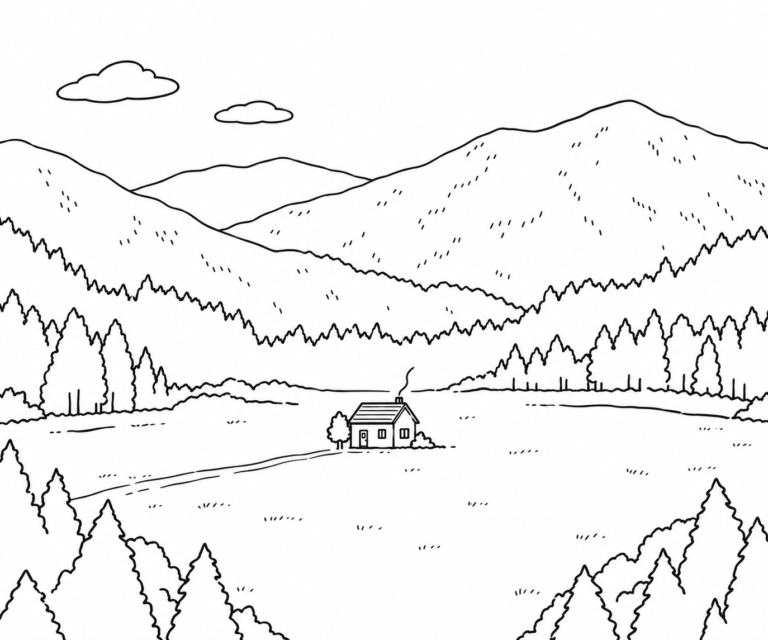

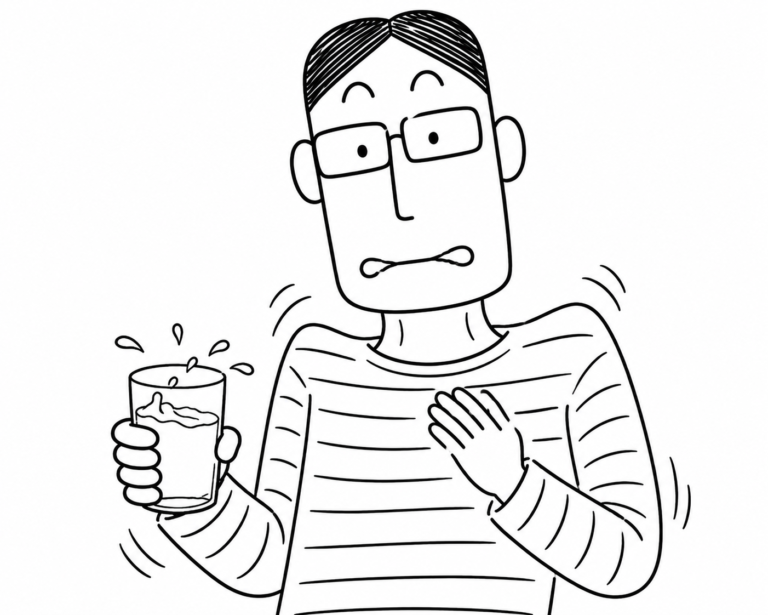
Search by Japanese, romanization, or meaning. Choose a word to open the full entry.

Onomatopoeia is an expression like “bow wow“ “gulp“ or “click “.
In Japanese, they are expressed as “wan wan“, “goku goku“, and “kachi“, respectively.
Thus, in addition to imitating actual sounds, onomatopoeia is a sensory phoneticization of a situation or condition for which no sound is made.
According to one theory, there are approximately 2,000 to 4,500 onomatopoeic words in Japanese.
On the other hand, English is said to have several hundred words, and compared to English, Japanese has a very large number of onomatopoeia.
On this site, 170 Japanese expressions in the form of
“○っ○り”=”○ tsu(ꞯ)○ri (ɾʲi)” are explained.
Assari あっさり
Sukkiri すっきり
Yuttari ゆったり
Let me explain the images that cannot be grasped from a dictionary alone,
using illustrations and our own prejudice.
⭐️:It’s communicated, but not used much.
⭐️⭐️:Limited use in limited situations, but frequent.
⭐️⭐️⭐️:: Very often used(unconsciously).