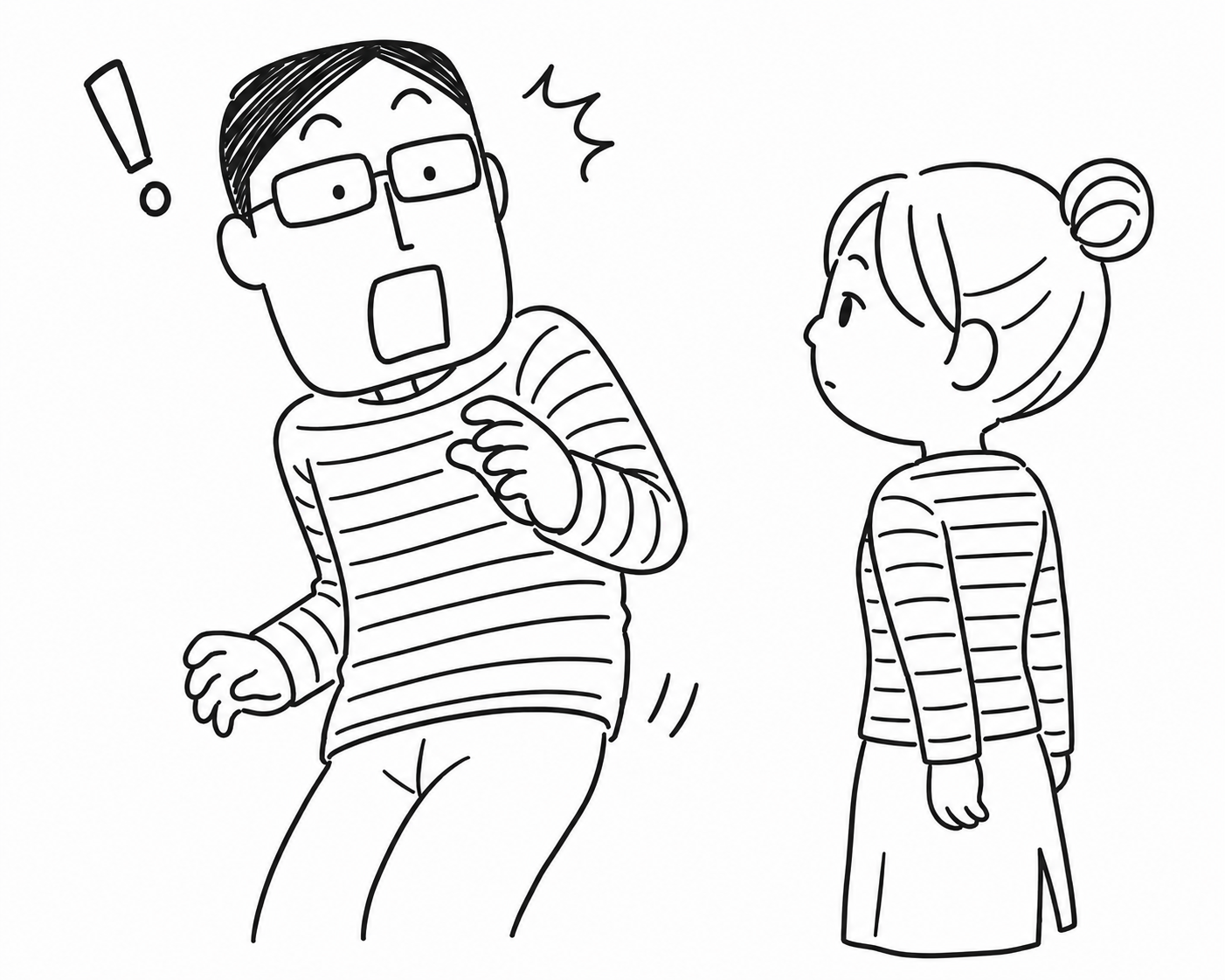
BIKKU-RI びっくり
Meanings
Describes being surprised by something unexpected, sudden, or unforeseen. It can express both pleasant and unpleasant surprise.
Examples
I was surprised when my son got 100 on his test.
息子がテストで100点をとって、びっくりした。
I turned around and was startled to find my wife standing there.
振り返ったら妻がいてびっくりした。
Dogmatic Opinion
The exclamation mark is called a BIKKU-RI MĀKU in everyday Japanese.
BIKKU-RI can be replaced by “be surprised” remarkably often. It is one of the most straightforward and everyday Japanese surprise words.
But I suspect we also sometimes use it for admiration rather than literal surprise. Suppose a famous athlete breaks another record. You may say BIKKU-RI even though you fully expected that athlete to be capable of it. The feeling is less “I thought this was impossible!” and more “What an achievement—that is astonishing.”
So BIKKU-RI ranges from pure unexpected surprise to impressed amazement.
Proximate Expression
surprised
amazed
astonished
startled.
Related Words
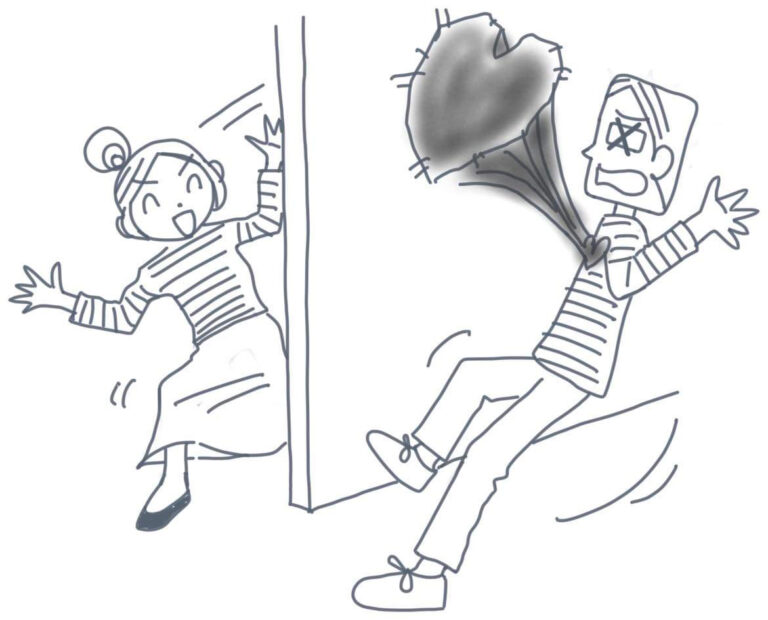
For Japanese Learners
Surprised is the safest default. Startled works for a sudden physical jolt, shocked for stronger negative impact, and amazed or astonished for impressive positive surprise. BIKKU-RI itself is neutral enough to cover good and bad surprises; English often forces you to choose the type more explicitly.