MEKKI-RI めっきり
Meanings
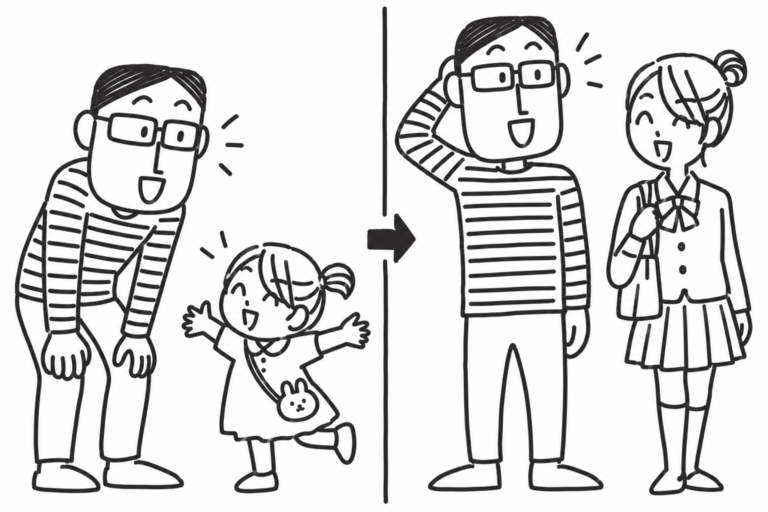
Describes a change from an earlier state as strikingly noticeable and substantial, often occurring fairly quickly.
Examples
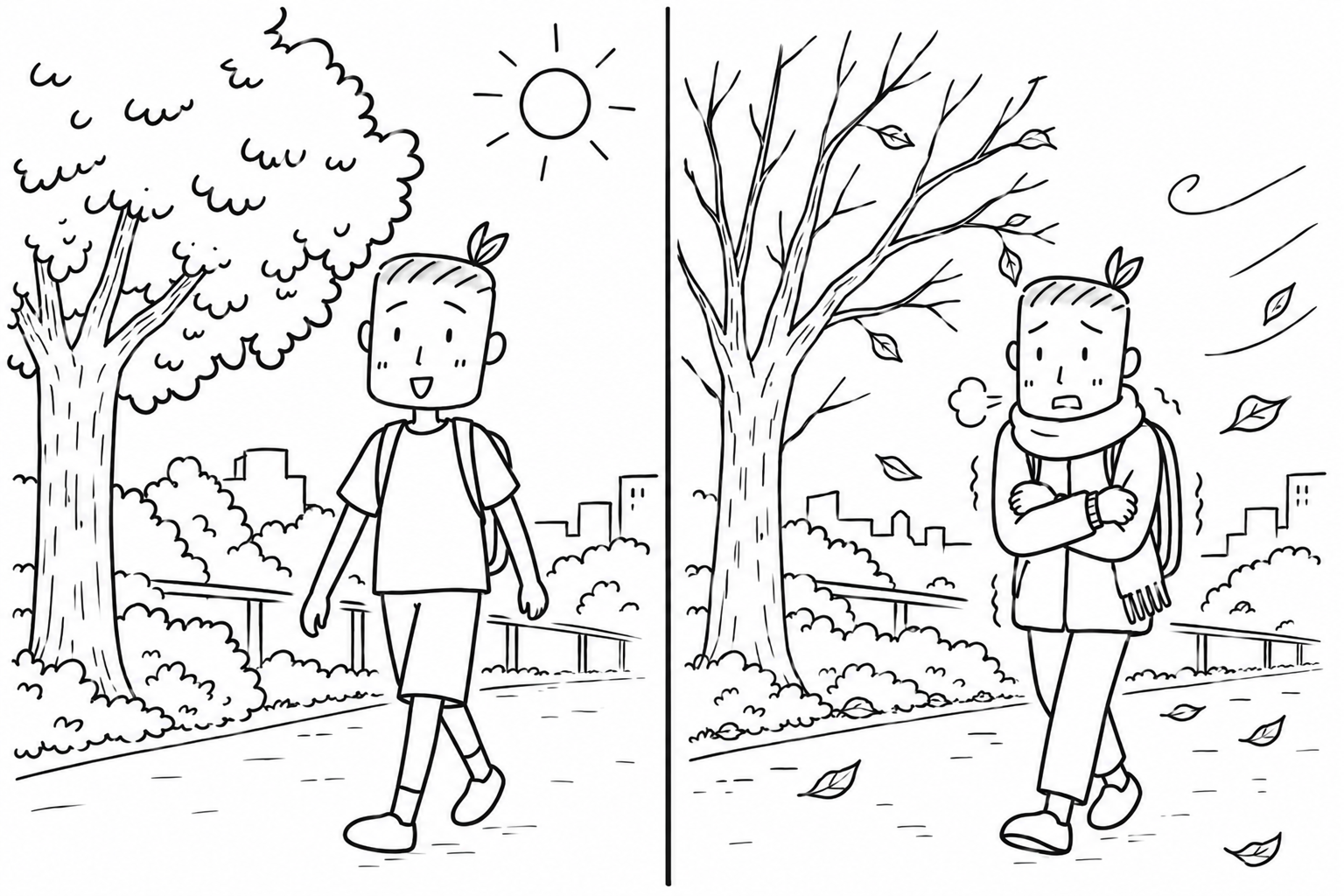
It feels as though it was summer only yesterday, but it has gotten noticeably colder.
この前まで夏だと思っていたのに、めっきり寒くなった。
My father used to be so vigorous, but his hair has gone gray and he has aged markedly.
壮健だった父も、白髪が増え、めっきり老けてしまった。
Dogmatic Opinion
Because MEKKI-RI describes change, there is always an implicit comparison between then and now.
The degree of change is large or the pace feels fast.
I also sense a recurring movement toward a more negative state: days become shorter, warm weather turns cold, a healthy person grows physically weaker.
Perhaps that is only sound association—the ME reminds me of 滅, extinction, and KIRI of 切, cutting.
What makes this especially interesting is that MEKI-MEKI is used almost exclusively for conspicuous positive progress.
Japanese sound symbolism can be absurdly delicate.
In any case, MEKKI-RI is not merely a description of the current condition. The invisible phrase “compared with before” is essential.
Related Words
For Japanese Learners
Noticeably, markedly, considerably, and much more than before may fit. “めっきり寒くなった” is “It has gotten noticeably colder”; “めっきり老けた” is “He has aged noticeably.” English should preserve the before-versus-now comparison even when no explicit “before” appears in Japanese.