HAKKI-RI はっきり
Meanings
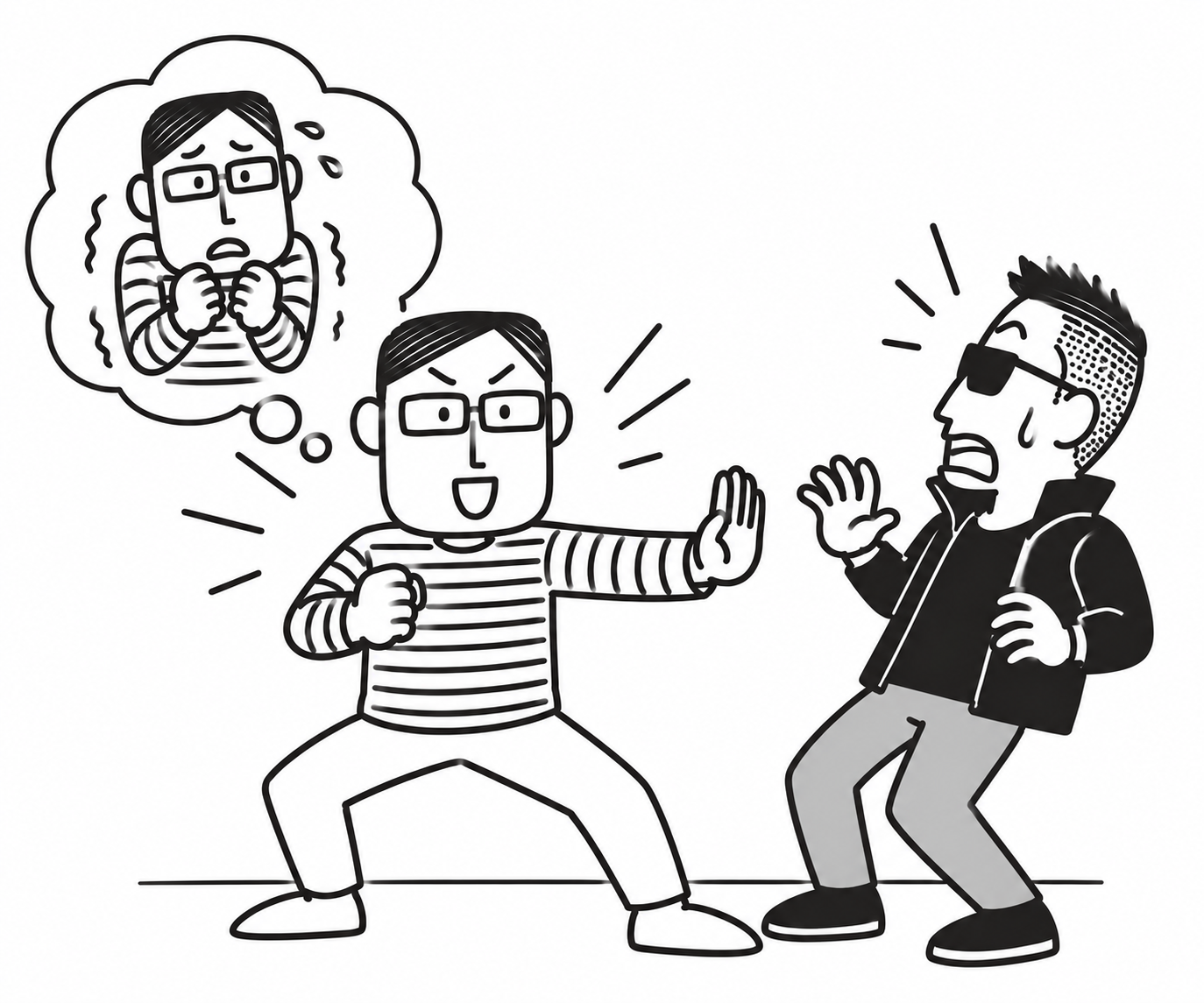
1. Describes something being clearly and distinctly perceivable or distinguishable from other things.
2. Describes facts, decisions, attitudes, or statements as definite and unambiguous.
3. Describes the mind or physical condition as clear and refreshed.
Examples
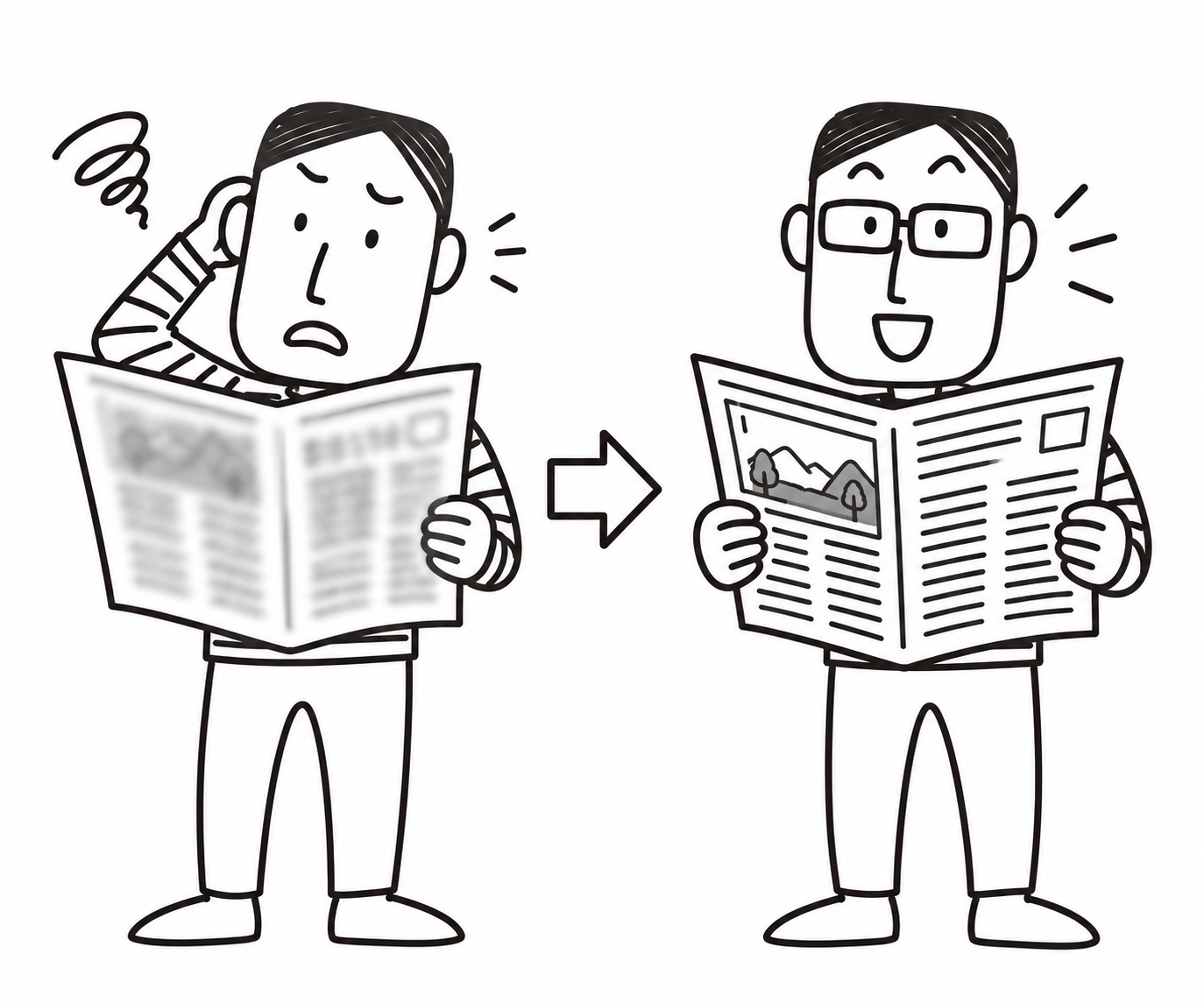
1. With my glasses on, I can read the newspaper clearly.
メガネをかければ、新聞の文字もはっきり読める。
2. The weather can’t make up its mind—it keeps raining and stopping.
雨が降ったり止んだり、はっきりしない天気だね。
2. To put it plainly, that movie was terrible.
はっきり言って、あの映画は駄作だ。
3. I didn’t get enough sleep, so my head still isn’t clear.
寝不足だから頭がはっきりしない。
Dogmatic Opinion
The core of HAKKI-RI is clarity strong enough to remove ambiguity and prevent misunderstanding.
That makes it unusually broad. An outline can be HAKKI-RI because its boundary is clear. A sound can be HAKKI-RI because you can distinguish it. An opinion can be HAKKI-RI because nobody needs to guess what you mean. A person can speak HAKKI-RI because the position is unmistakable.
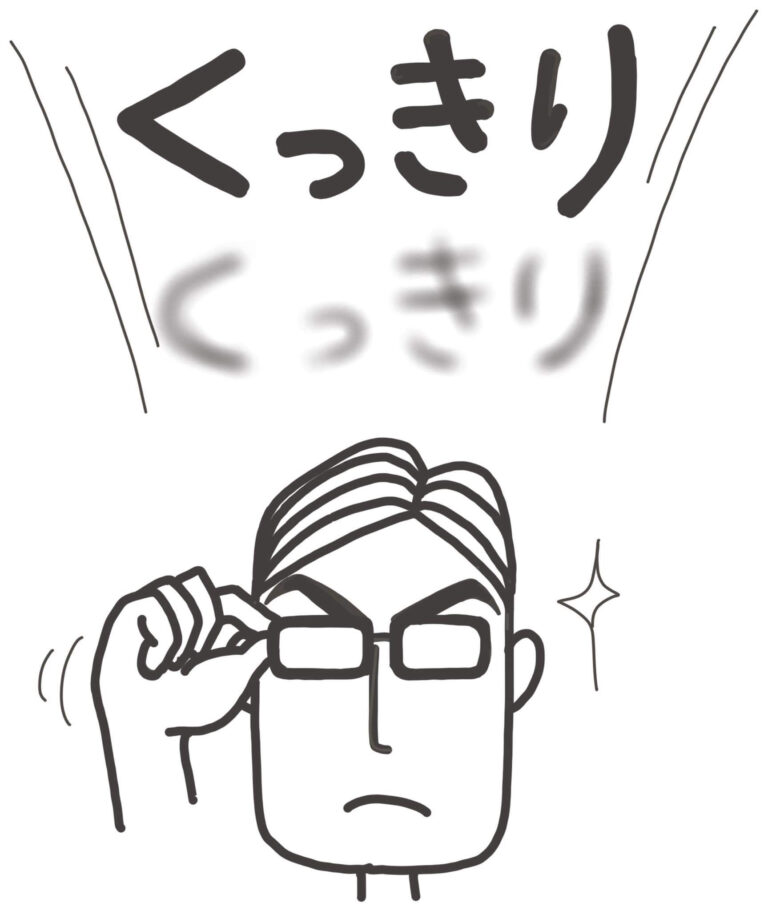
Compared with KUKKI-RI, which strongly evokes visual definition and contrast, HAKKI-RI is a much more general-purpose word for clarity.
Proximate Expression
clearly
definitely
without hesitation or ambivalence
Related Words
For Japanese Learners
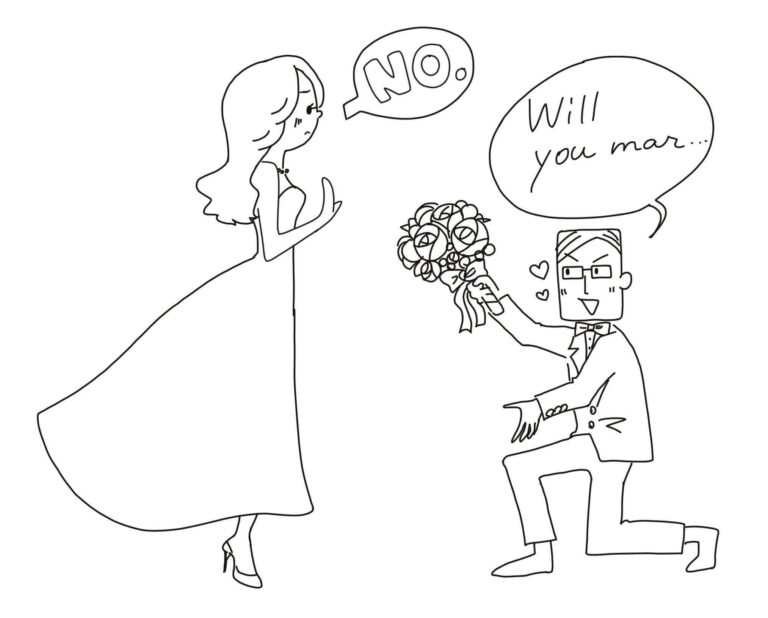
Clearly, distinctly, definitely, plainly, and explicitly are common translations. “はっきり見える” is see clearly; “はっきり言う” is say it plainly or clearly; “まだはっきり決めていない” is I haven’t made a definite decision yet. The English word should follow what kind of ambiguity is being removed.