GISSHI-RI ぎっしり
Meanings
Describes a bounded space being densely packed or filled with many things, leaving almost no empty space.
Examples
My schedule is packed this week.
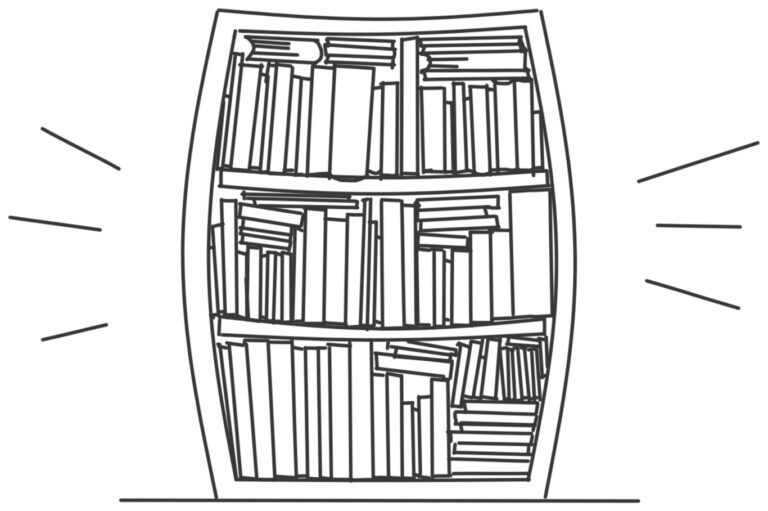
本棚に本がぎっしり収納されている。
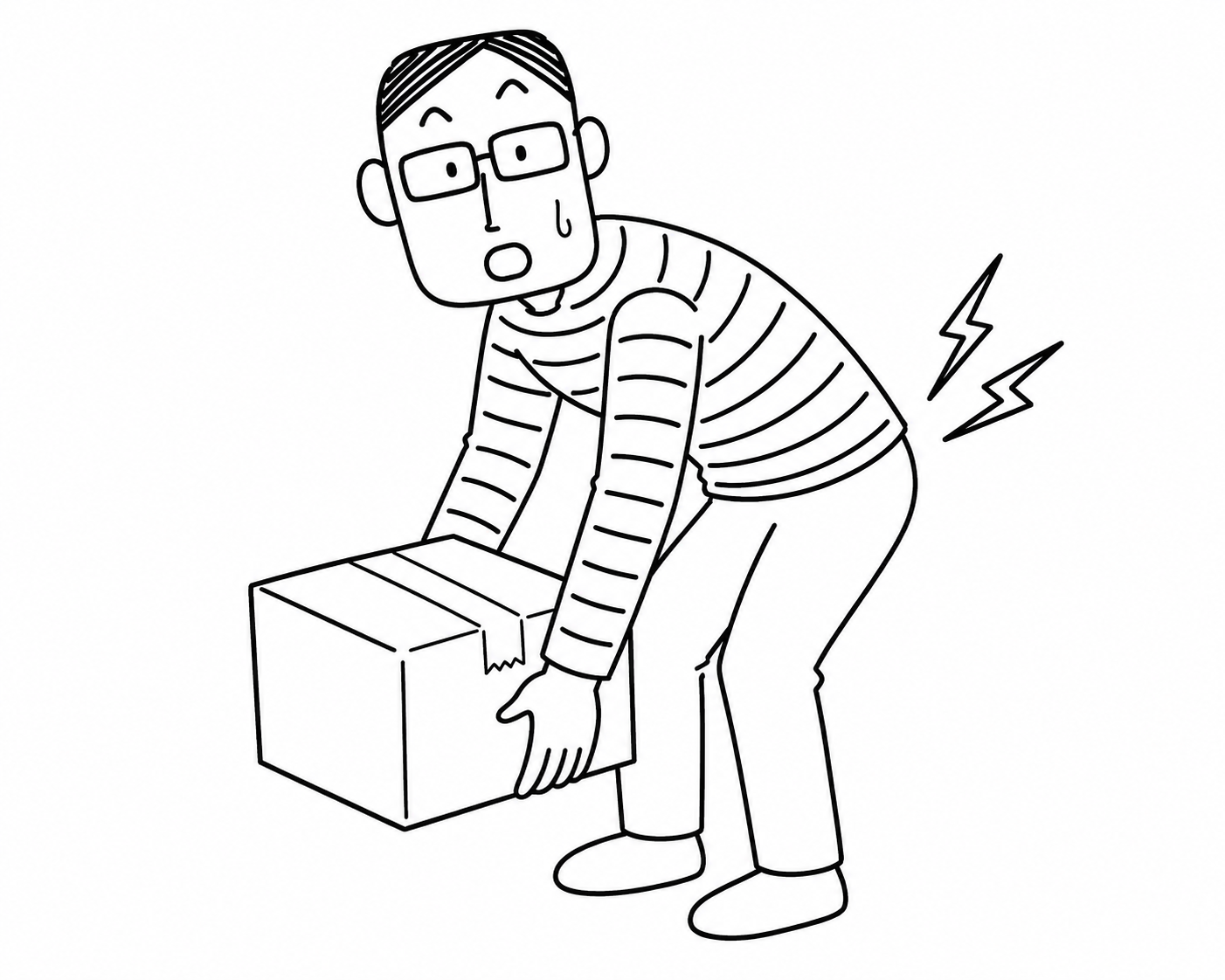
My parents sent me a cardboard box crammed with food.
今週は予定がぎっしり入っている。
At the Taiwanese night market, stalls were packed closely together.
実家から食料がぎっしり詰まった段ボールが送られてきた。
The bookshelf is packed with books.
台湾の夜市では露店がぎっしり並んでいた。
Dogmatic Opinion
Of course GISSHI-RI means that things are closely arranged or packed with almost no gaps. But for me there is an additional assumption: I am conscious of a bounded space or section with a beginning and an end—a bookshelf, bag, box, or the finite area available for market stalls.
If a hundred shops stood together in one corner of an endless desert, I would not naturally call them GISSHI-RI.
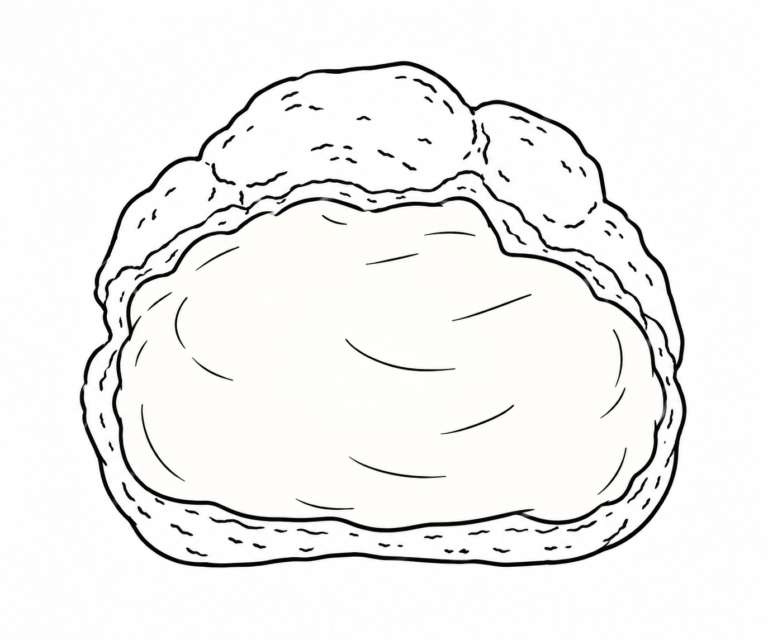
I also distinguish it from BISSHI-RI. BISSHI-RI feels more like dense coverage across a two-dimensional surface, while GISSHI-RI feels more three-dimensional: things filling a space vertically, horizontally, and in depth.
So the important point is not merely “a lot,” but very high density inside an available space.
Proximate Expression
crammed
packed
tight
Related Words

For Japanese Learners
Packed, crammed, densely filled, and packed with are natural equivalents. “予定がぎっしり” is “My schedule is packed.” Compared with BISSHI-RI, GISSHI-RI often gives a stronger impression of filling a bounded three-dimensional space rather than covering a surface.