KOKKU-RI こっくり
Meanings
1. Describes the head moving forward or up and down, either in a nod of agreement or while dozing.
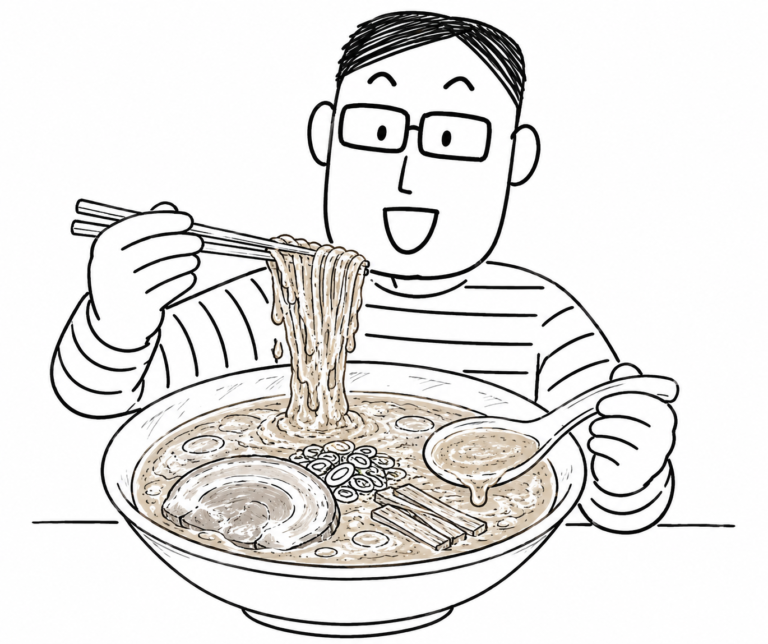
2. Describes a flavor or color that is rich, deep, or full-bodied.
Examples
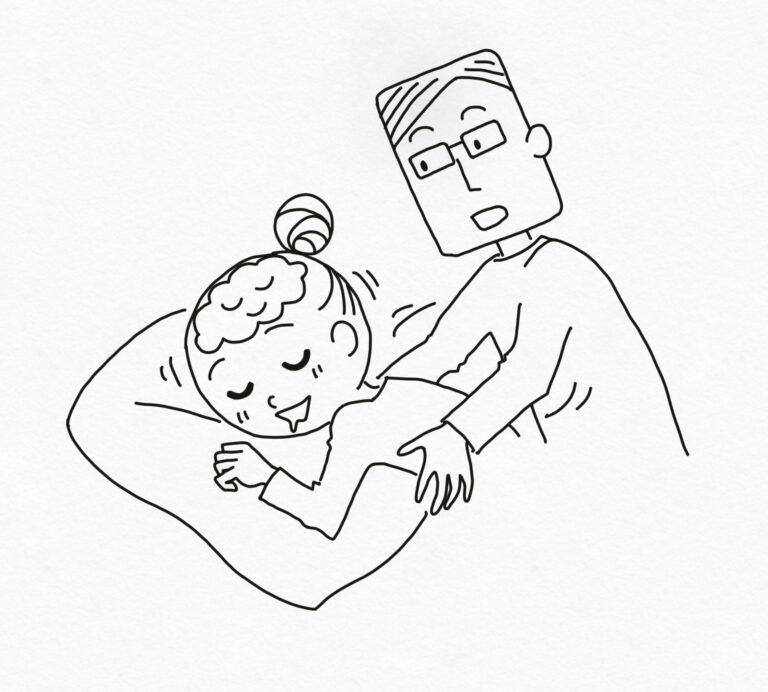
1. I was short on sleep, so I nodded off during the meeting.
寝不足だったので、会議中にこっくりと居眠りをしてしまった。
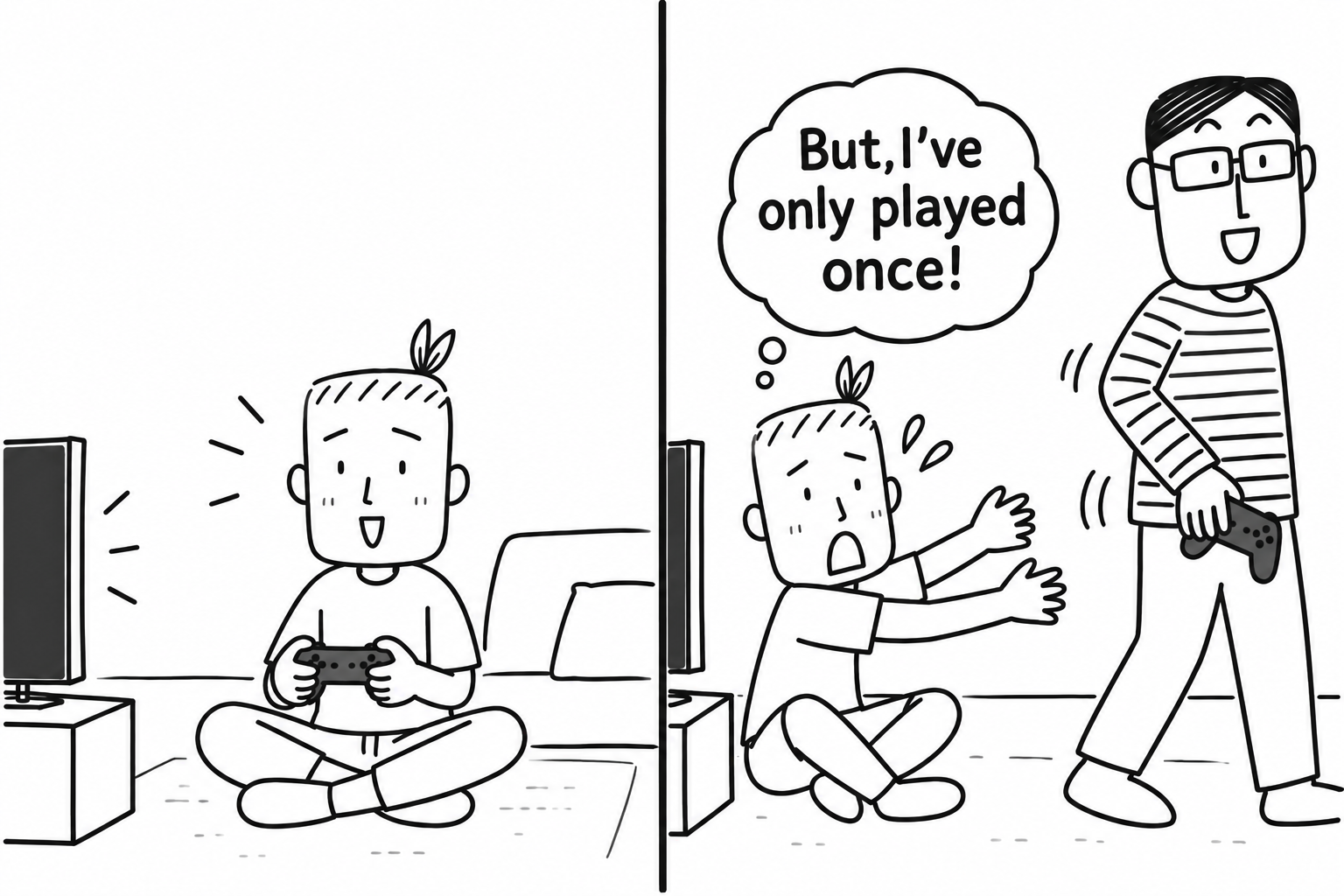
1. When I asked my daughter whether bread was okay for breakfast, she gave me a little nod.
朝食はパンで良いか?と聞いたら、娘はこっくりとうなずいた。
2. In autumn, I enjoy coordinating outfits in deep, rich seasonal colors.
秋のおしゃれは、こっくりカラーのコーディネートを楽しむ。
Dogmatic Opinion
KOKKU-RI has a somehow cute sound to me.
When a nod is described as KOKKU-RI, I tend to imagine someone young rather than a superior or senior person. The same is true of dozing: KOKKU-RI makes the sleepy movement feel somehow harmless and endearing.
Japanese children are also familiar with Kokkuri-san, a spirit-invocation game.
Context tells you whether the head movement is a deliberate nod or the involuntary bobbing of someone falling asleep. Sense 2 is completely different: there the word describes depth and richness of flavor or color.
Proximate Expression
doze off
nod off
Related Words
For Japanese Learners
For the head movement, nod is natural for agreement, while nod off or doze works for falling asleep. For sense 2, translate according to the noun: rich for food and deep or rich for color. English has no single expression that covers both groups of meanings.