KUTTA-RI くったり
Meanings
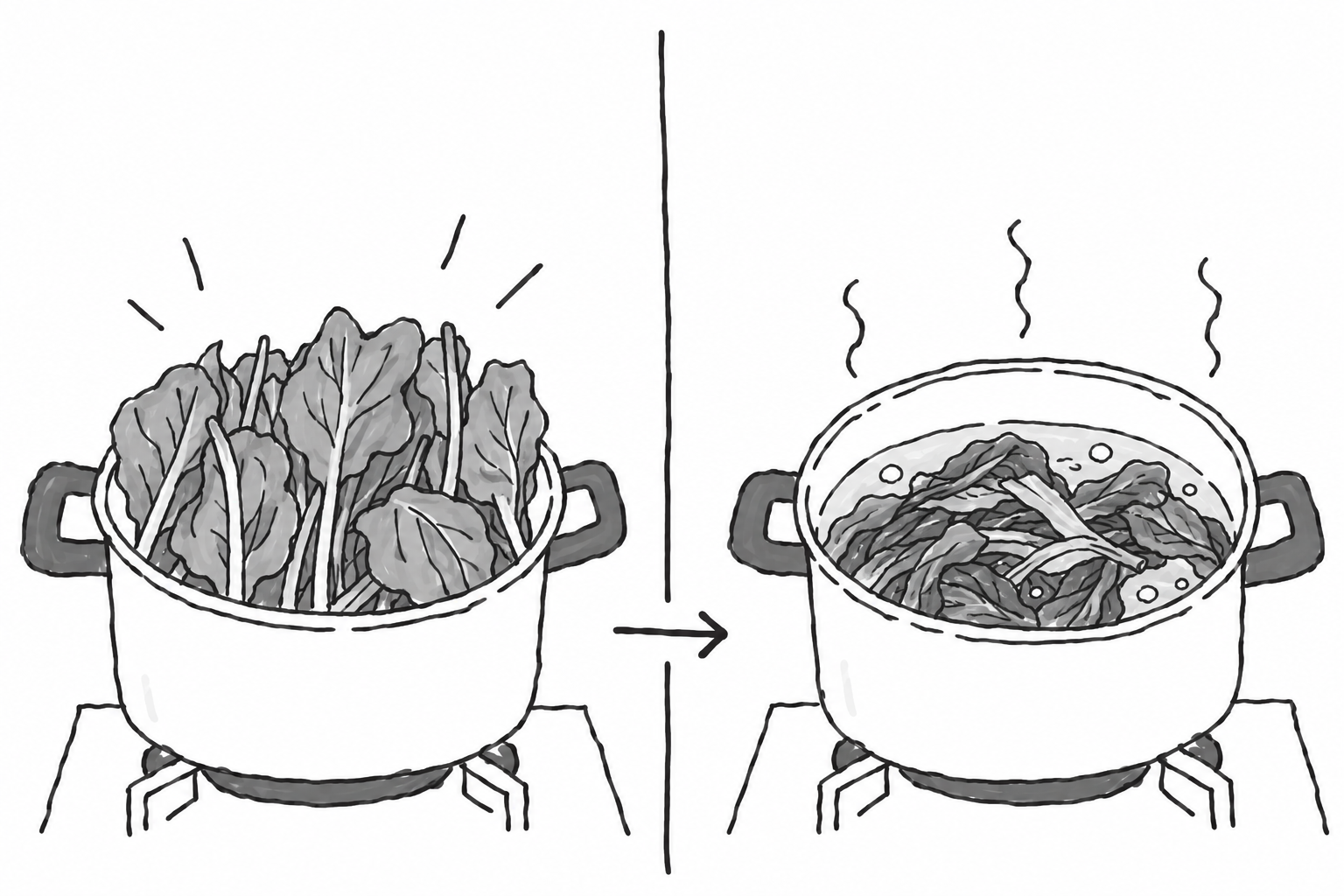
Describes something losing its firmness or tension completely. It is used especially for vegetables that have become soft through boiling or simmering.
Examples
Simmer the vegetables until they become completely tender and limp.
野菜をくったりするまで煮てください。
Dogmatic Opinion
Honestly, vegetables are almost the only thing that comes to mind for me with KUTTA-RI.
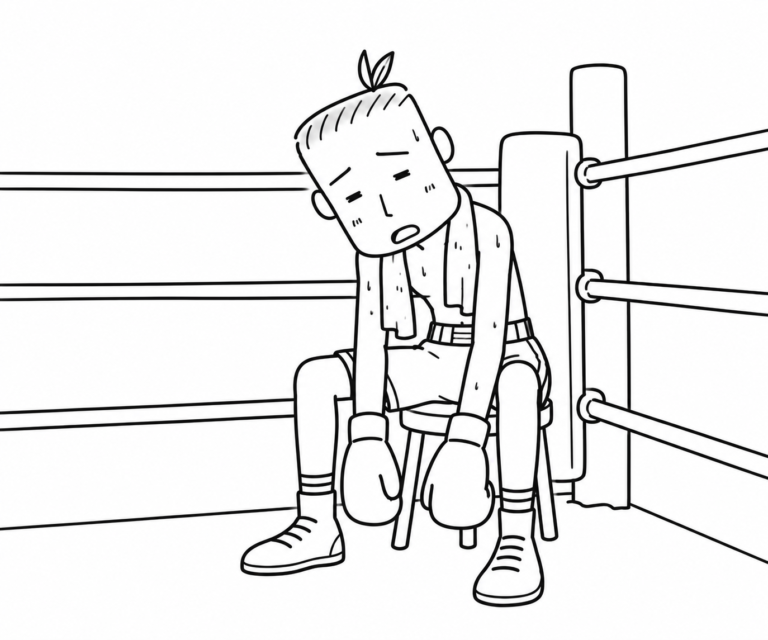
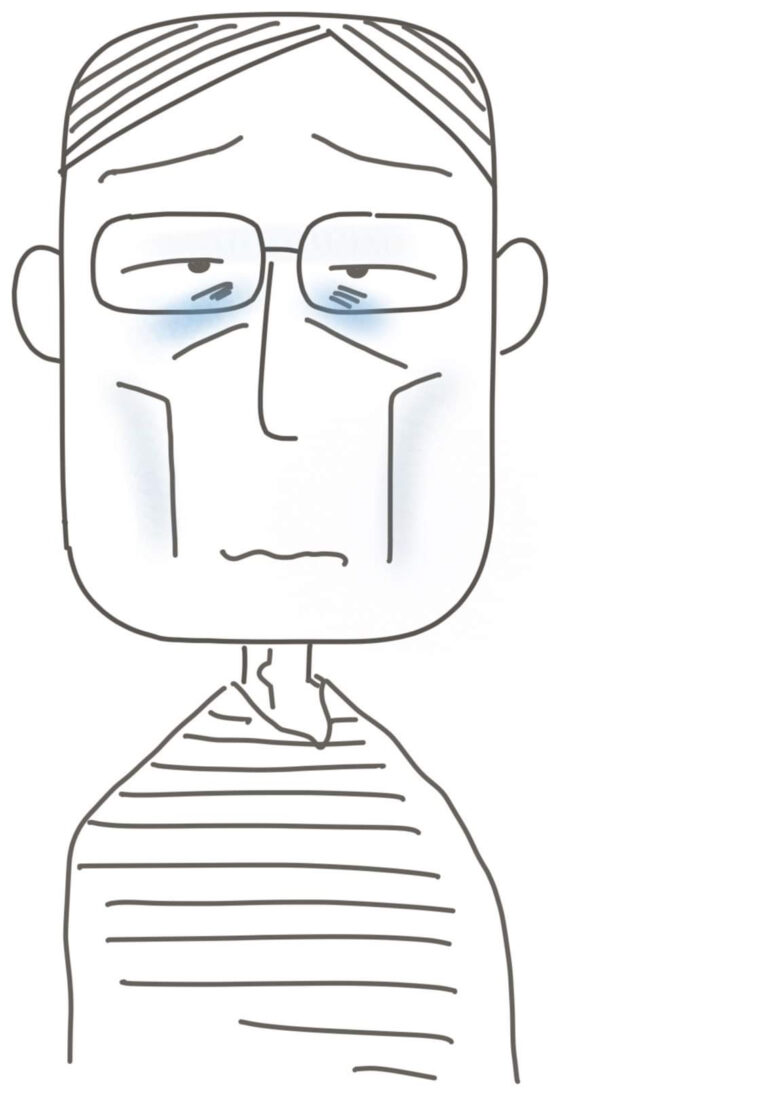
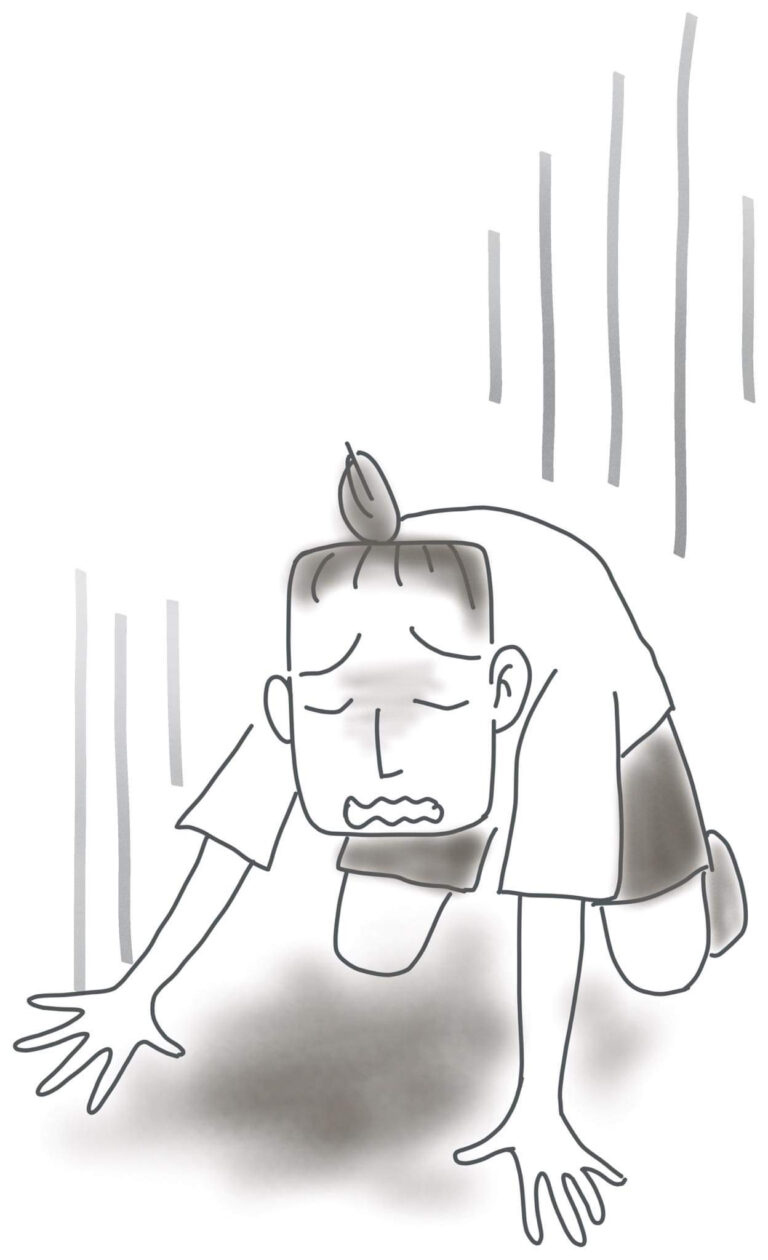
As a sound impression, it feels like a weaker version of GUTTA-RI. If applied to tiredness, perhaps it would suggest mild exhaustion, while KUTA-KUTA suggests being very tired.
With vegetables such as spinach or cabbage, KUTTA-RI means cooking them until they become thoroughly soft while still retaining their basic form. It feels softer and more cooked than SHINNA-RI. If they are cooked until their original form disappears altogether, I would no longer call them KUTTA-RI—at least, I don’t think I would.
Related Words
For Japanese Learners
For cooked vegetables, soft, tender, limp, or cooked until wilted may work. Although some dictionaries or speakers may extend KUTTA-RI to other things that have lost firmness, the Japanese source here strongly associates it with cooked vegetables. It should therefore not automatically be broadened to “a tired person” in the English explanation.