MOSSA-RI もっさり
Meanings
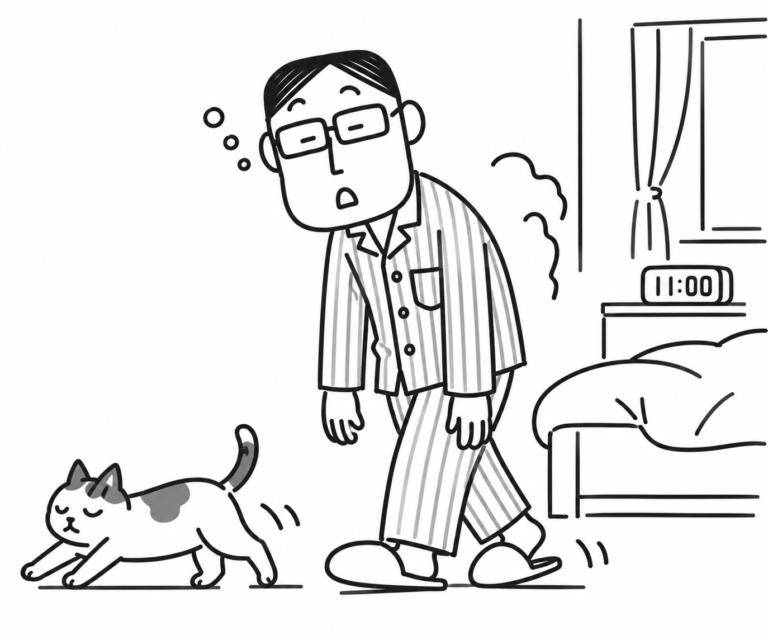
1. Describes someone as sluggish, slow-moving, dull, or unhelpfully unresponsive.
2. Describes clothing or appearance as unfashionable, bulky, dowdy, or lacking refinement.
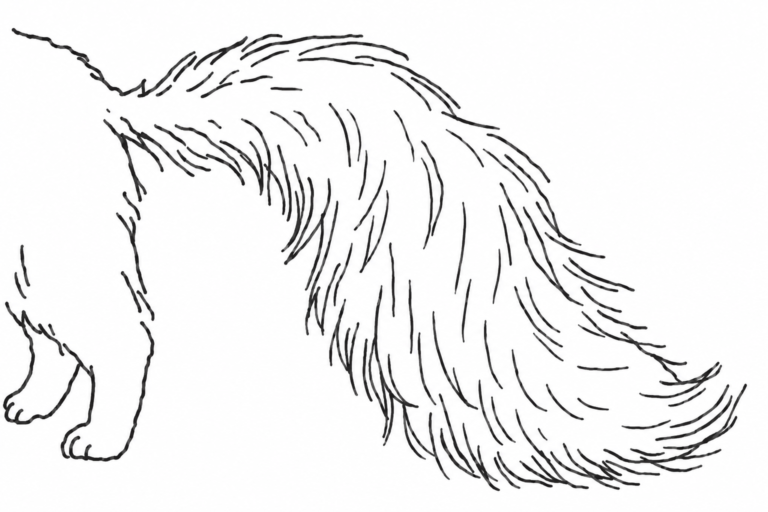
3. Describes hair, fur, grass, or similar growth as excessively thick, heavy, and bushy.
Examples
Everyone else is getting things ready, but one person is just standing there sluggishly without helping.
みんなが準備で忙しいのに、彼はひとりだけ手伝いもせずに、もっさりと立っている。
Wearing a sweater over another sweater looks far too bulky and dowdy.
セーターの上にセーターを着るなんて、もっさりとしすぎてる。
It’s been six months since you shaved your head, and now your hair is thick and shaggy.
坊主頭にしてから半年も放置しているから、髪の毛がもっさりしているではないか。
Dogmatic Opinion
Across these meanings, I sense excess: too much volume, density, thickness, or sheer visual weight, producing an unpleasantly stuffy heaviness.
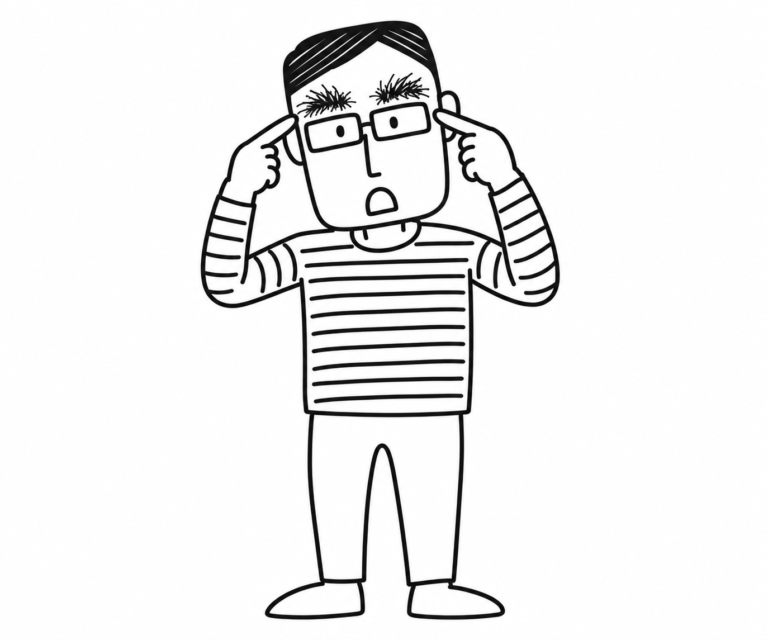
When I picture a person standing MOSSA-RI without helping, I imagine not a woman or child but a large man whose mere presence in the visual field feels obstructive.
It is difficult to create a MOSSA-RI look in a T-shirt, shorts, and sandals. You need thicker clothing.
The word makes things feel visually and behaviorally heavy.
Proximate Expression
chunky
slow heavily
Related Words
For Japanese Learners
Sluggish, dull, lumbering, dowdy, frumpy, bulky, shaggy, bushy, and overgrown may fit. There is no single English equivalent because MOSSA-RI transfers a shared sense of heavy, excessive, unrefined presence across movement, fashion, and growth.