Meanings
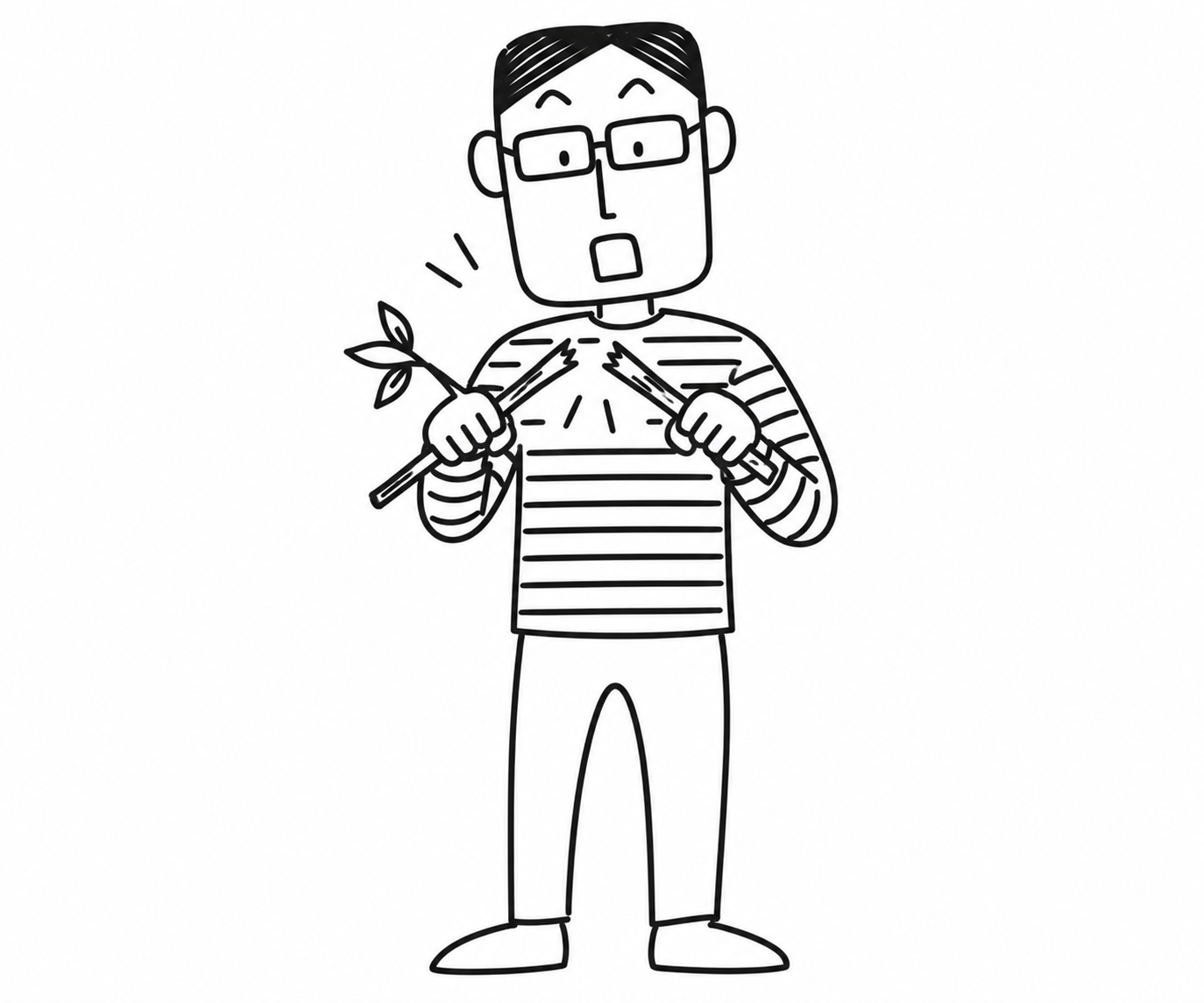
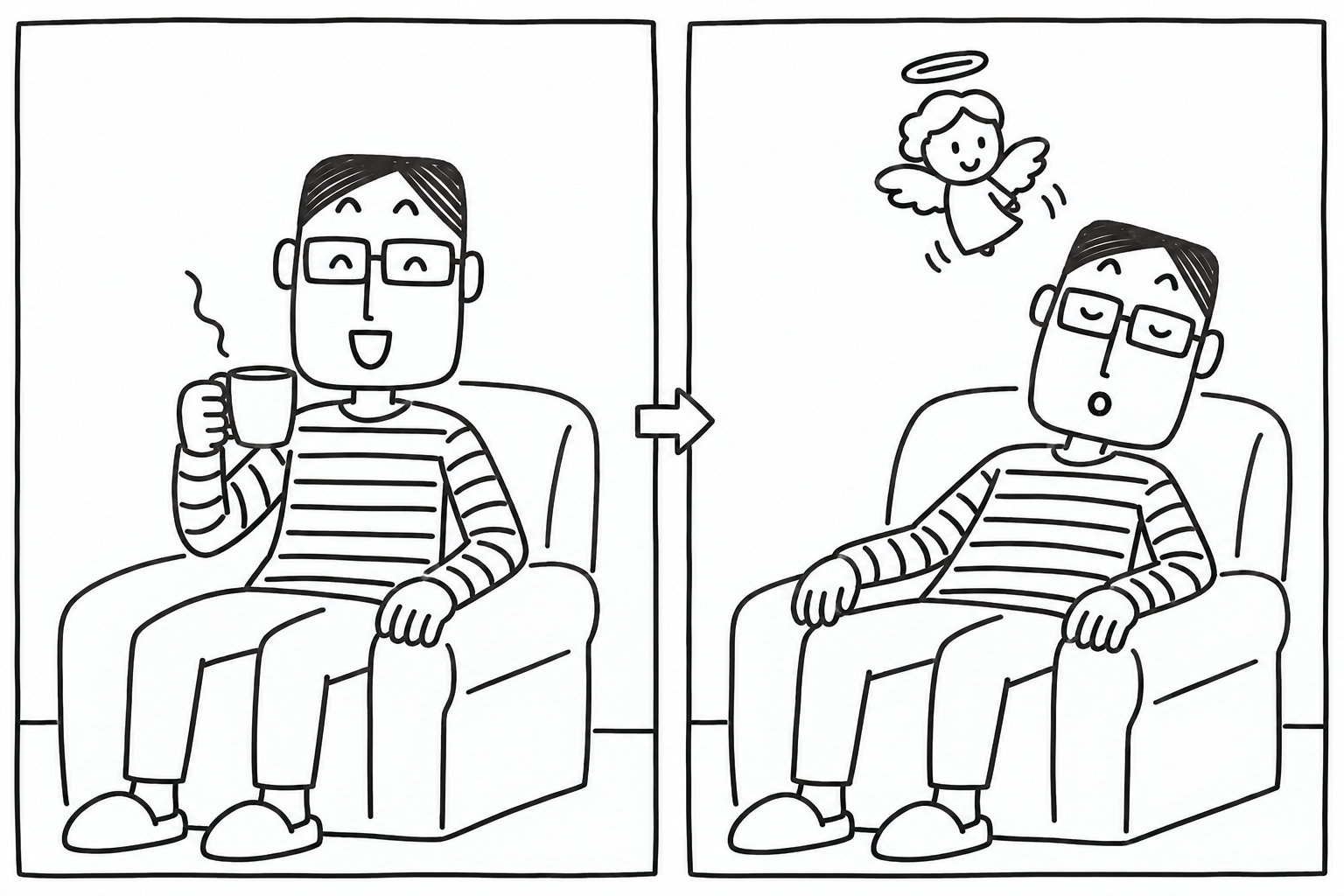
1. Describes something brittle breaking easily; more importantly in modern usage, describes a previously healthy person—especially an older person—dying suddenly without a long period of illness.
2. Describes the slow clopping sound of a horse’s footsteps.
Examples
Someone who had been perfectly healthy until yesterday suddenly passed away.
昨日まで元気だった人が、ぽっくり死んだ。
As children, we played with can stilts called kan-pokkuri, which made a sound like a horse walking.
子ども時代は、缶ぽっくりという馬の足音のような音のするおもちゃで遊んだ。
Dogmatic Opinion
For literal breaking, I would normally use POKKI-RI or BOKKI-RI.
POKKU-RI, for me, is strongly tied to death.
The image is of an older person who had seemed healthy, did not spend months bedridden, and then simply died one day.
Oddly enough, nobody who dies POKKU-RI can report what it felt like.
I also feel that we are less likely to use the word for a very young person’s sudden death. The person needs, somehow, to have reached an age at which a certain fragility no longer feels impossible.
“Ideally, I’d like to die POKKU-RI” is a surprisingly understandable wish: stay healthy, avoid prolonged suffering, and then go quickly.
For Japanese Learners
Pass away suddenly, die suddenly, and die without a prolonged illness may fit. “ぽっくり逝く” is often a relatively gentle way of talking about an older person dying suddenly after remaining active. The horse-footstep sense is separate and much less central in everyday modern use.