HISSO-RI ひっそり
Meanings
1. Describes a place as extremely quiet and lonely, with almost no sounds or signs of people.
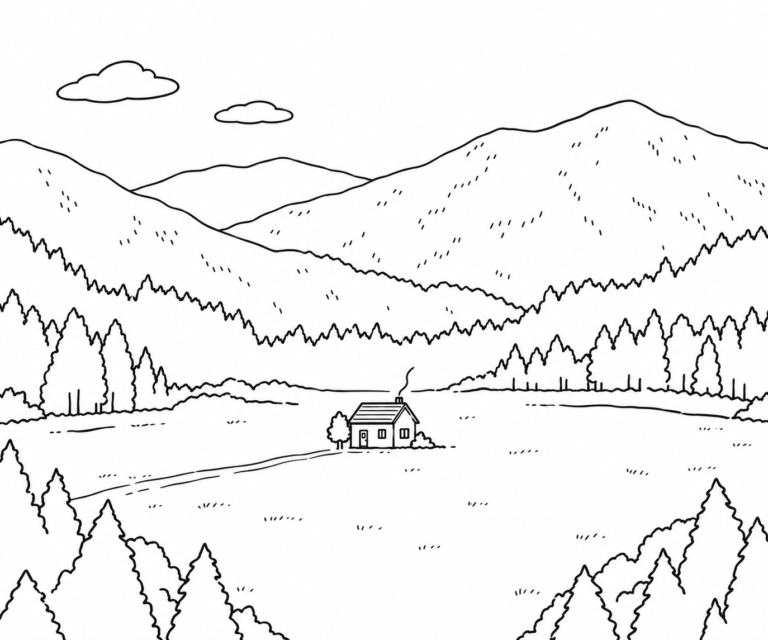
2. Describes living, existing, or remaining quietly and unobtrusively, away from attention.
Examples
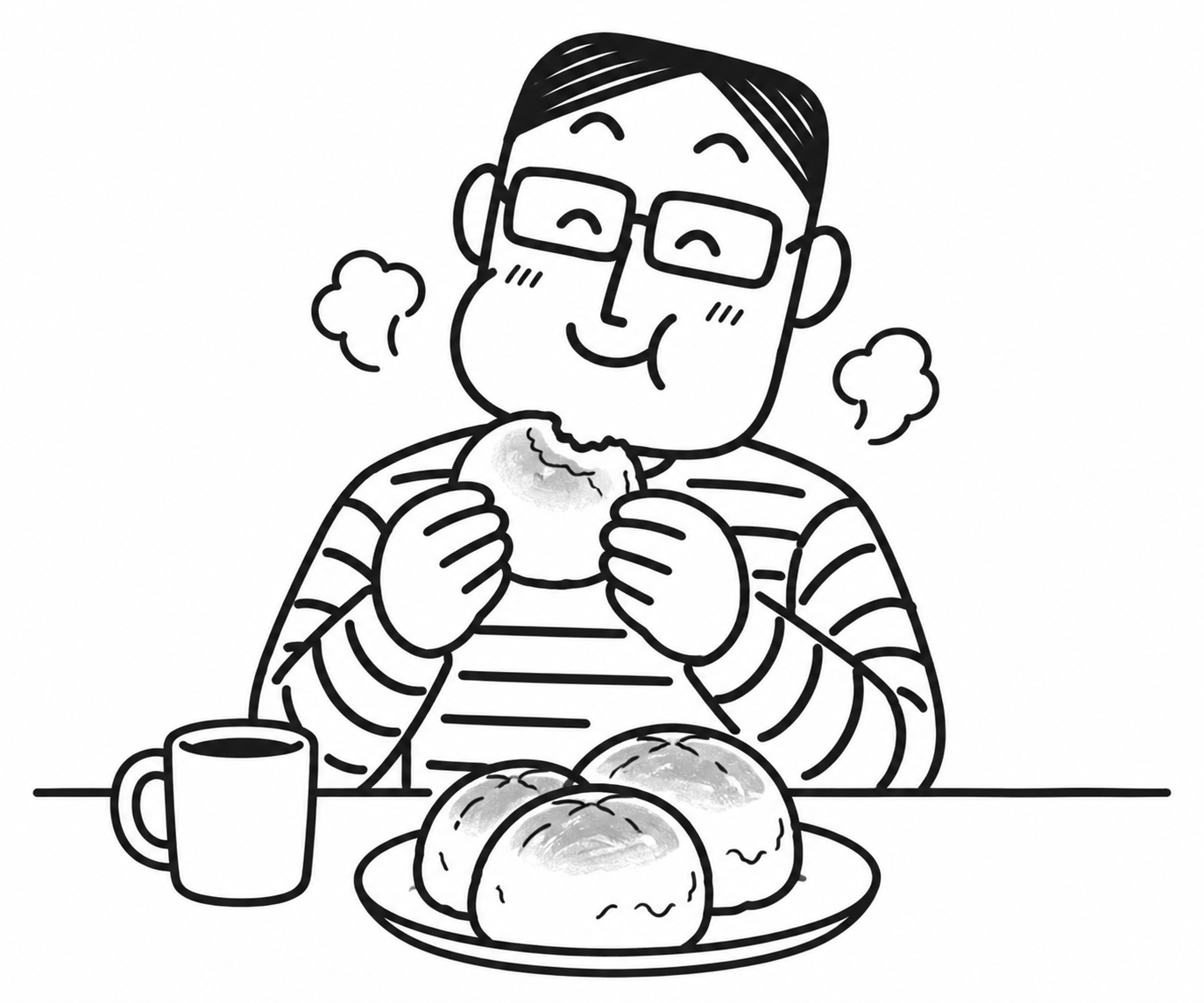
1. The business district, packed with people on weekdays, becomes eerily quiet on holidays.
平日は人の多いオフィス街が、休日はひっそりとした街に変わる。
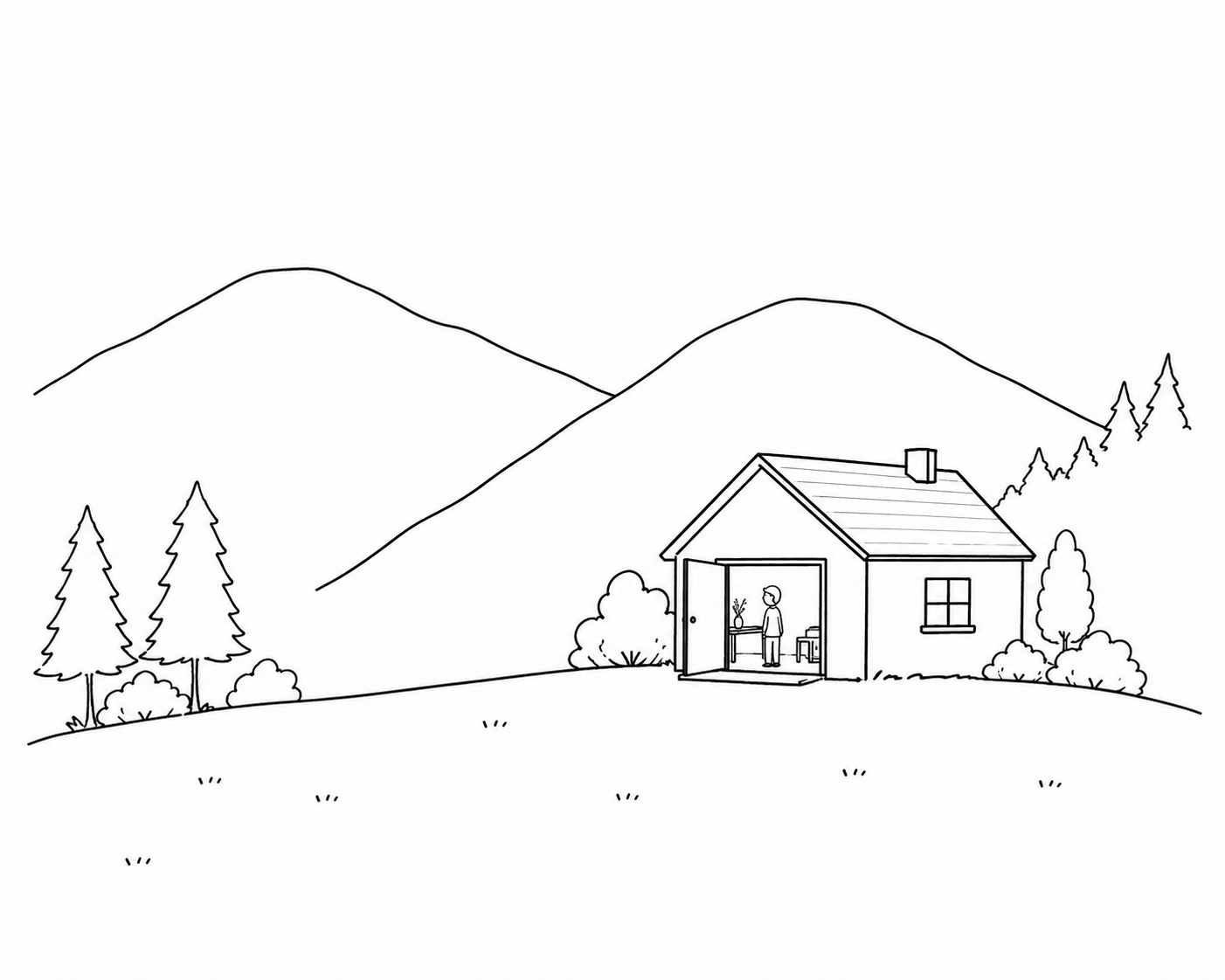
2. Because he disliked socializing, he spent his life quietly secluded deep in the mountains.
人付き合いが苦手な彼は、生涯を山奥でひっそり暮らした。
1/2. Angkor Wat is said to have stood quietly hidden away deep in the forest when it was rediscovered.
アンコールワットは、発見された時、森の奥深くにひっそりと佇んでいたそうだ。
Dogmatic Opinion
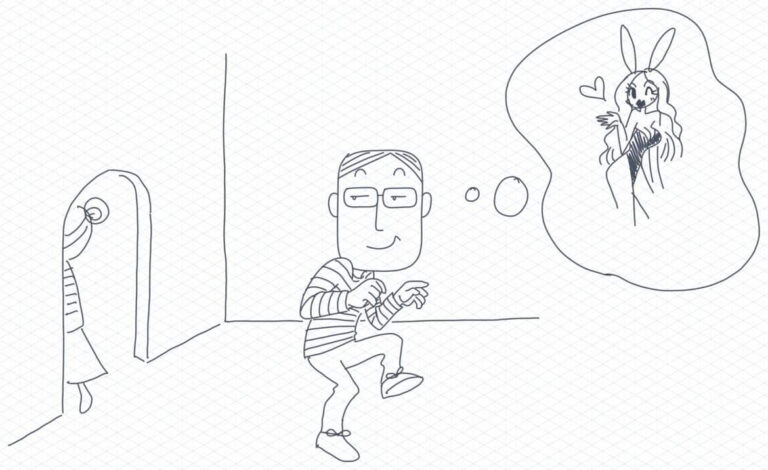
HISSO-RI and KOSSO-RI can both involve not attracting other people’s attention.
But KOSSO-RI is strongly connected with concealment: you are actively trying to do something without being noticed.
HISSO-RI feels different. Its key ideas are quietness and distance from other people. Something may simply remain where it is without coming forward. It does not necessarily have to be hiding.
So an old temple can stand HISSO-RI in the forest for years. It is not secretly doing anything. It is simply quiet, remote, and unnoticed.
Proximate Expression
quietness
Related Words
For Japanese Learners
Quietly, secluded, unobtrusively, unnoticed, tucked away, and in quiet seclusion may fit. “山奥にひっそり建つ宿” can be “a secluded inn tucked away in the mountains.” Compared with KOSSO-RI, HISSO-RI emphasizes stillness and remoteness more than deliberate secrecy.