ZUSSHI-RI ずっしり
Meanings
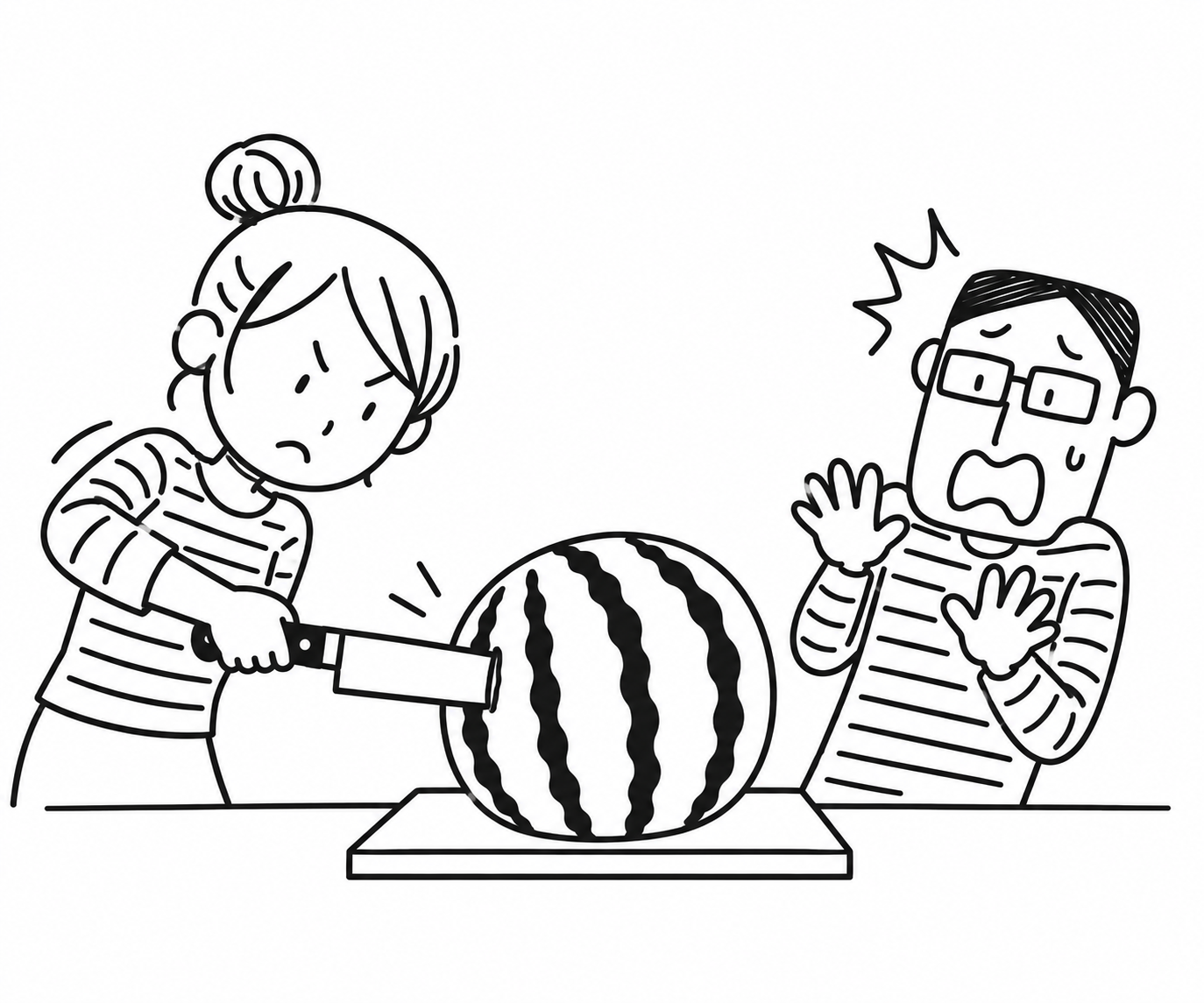
Describes something having substantial weight or heft—weight that is distinctly felt by the person experiencing it. It can also describe psychological pressure or burden.
Examples
The handgun was surprisingly heavy in my hand.
拳銃は、意外にもずっしりとした重みがあった。
When I held my newborn child for the first time, I felt the profound weight of that new life in my arms.
はじめて産まれたばかりの我が子を抱いた時、ずっしりと命の重さを感じた。
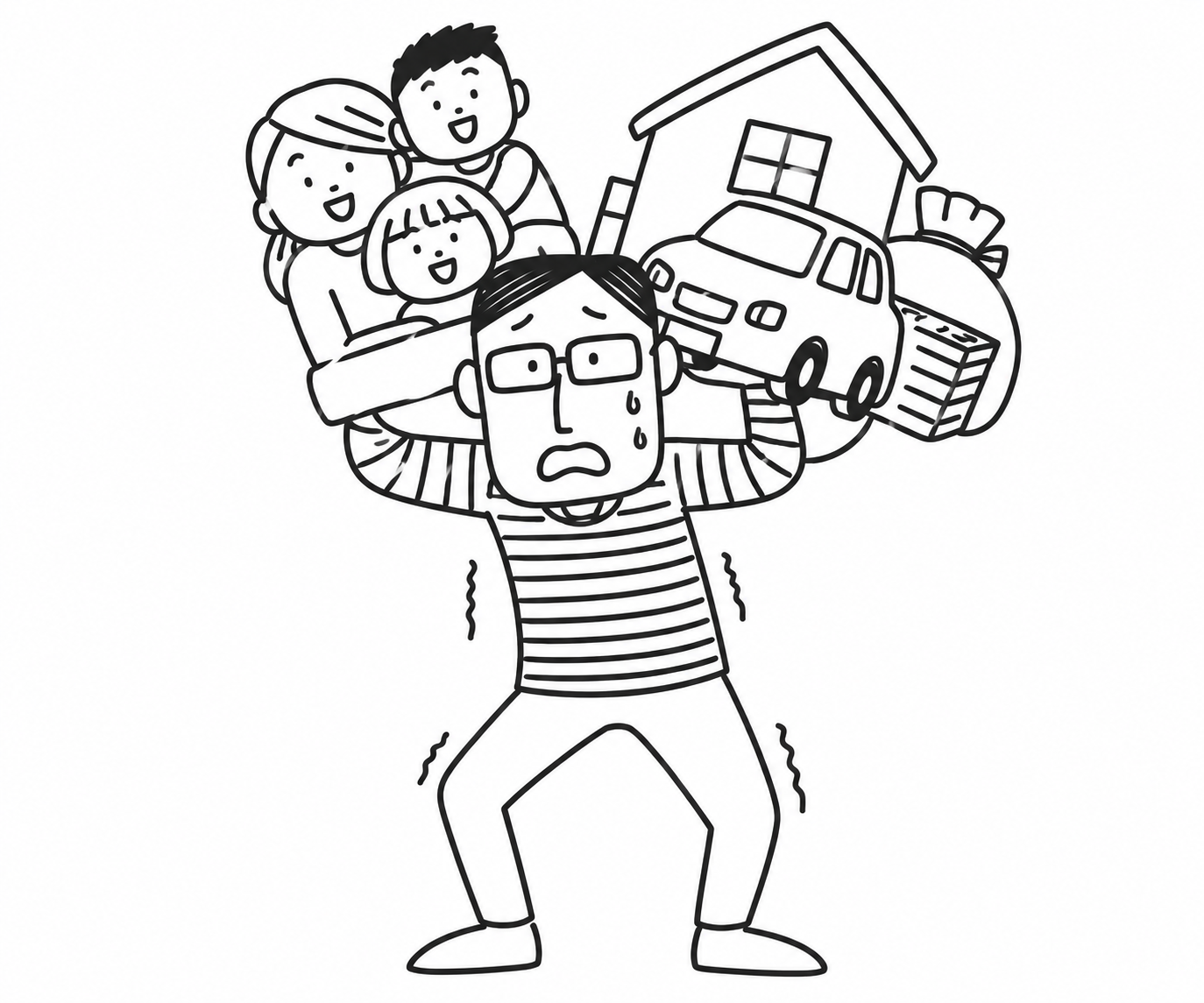
The pressure of this major responsibility feels crushingly heavy.
大役のプレッシャーにずっしりと押し潰されそうだ。
High-tar cigarettes have a heavy, substantial feel when smoked.
タールの多いタバコは、ずっしりとした吸いごたえがある。
Dogmatic Opinion
ZUSSHI-RI can describe physical weight, but also the heaviness of psychological pressure or responsibility.
The important point is not simply that an object is objectively heavy. If I lift ten kilograms of water knowing perfectly well that it weighs ten kilograms, I may not call it ZUSSHI-RI. But if I carry those same ten kilograms for a while and gradually become tired, the weight can begin to feel ZUSSHI-RI.
Unlike words such as DOKKA-RI, DOSSA-RI, and DOSSHI-RI, ZUSSHI-RI necessarily involves someone actually feeling the weight.
That subjective experience of heaviness is what also makes metaphorical expressions such as “responsibility weighing heavily on me” so natural.
Related Words


For Japanese Learners
Heavy, weighty, substantial, hefty, and weigh heavily may fit. “ずっしり重い” often means more than a measurement: the weight makes itself physically or psychologically felt. For responsibilities, “weigh heavily on me” is especially natural.