GAKKU-RI がっくり
Meanings
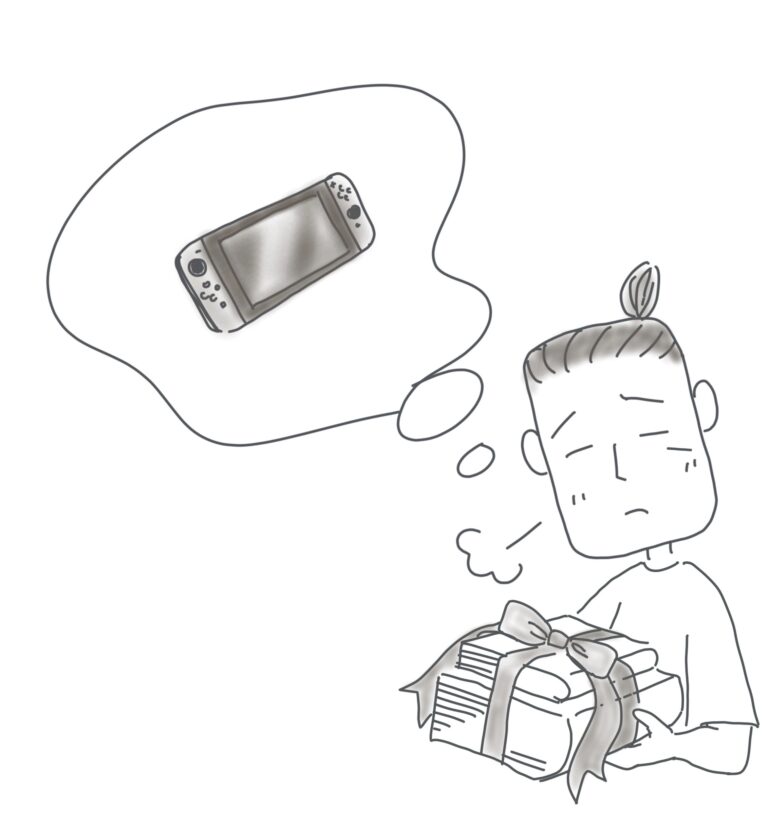
1. Describes deep disappointment or dejection.
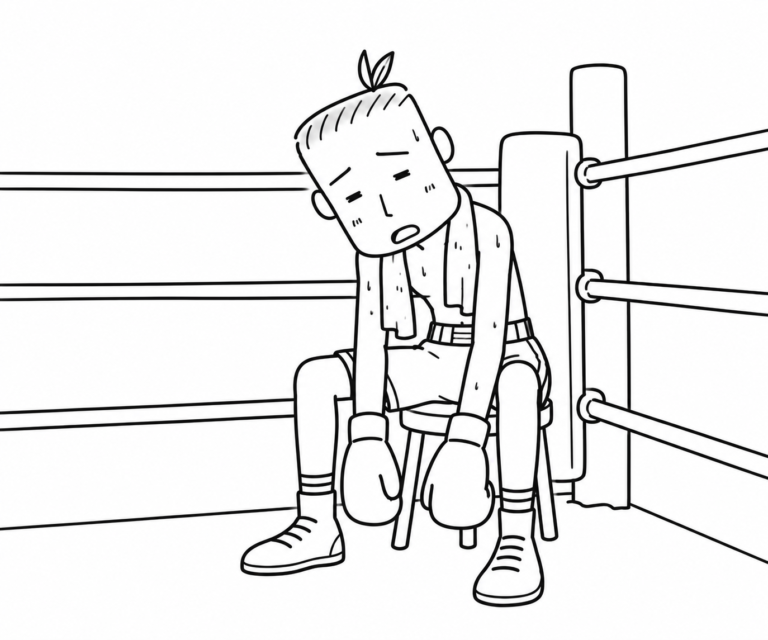
2. Describes something suddenly losing strength and bending, drooping, or slumping.
3. Describes a sudden and substantial decline.
Examples
1. She has been devastated since her husband died before her.
妻が死んだと聞いて、がっくりしている。
2. When the election result came through, the candidate’s shoulders slumped in disappointment.
落選の速報に、候補者はがっくり肩を落とした。
3. Customer traffic dropped sharply because of COVID.
コロナのせいで、客足ががっくり落ちた。
3. Fatigue caught up with me, and after about the 30-kilometer mark my running pace dropped dramatically.
疲労がたまり、30キロ過ぎあたりで走るペースががっくり落ちた。
Dogmatic Opinion
I picture something suddenly bending through almost ninety degrees, or dropping from horizontal toward vertical.
Compared with GAKKA-RI, GAKKU-RI suggests a much deeper disappointment, often accompanied by a visible bodily reaction: the shoulders drop, the posture collapses, and the strength seems to leave the body. It can approach despair.
In some situations, the setback feels so severe that emotional recovery from the GAKKU-RI state seems difficult or even impossible.
That physical image also explains the decline sense: a graph, pace, number of customers, or other measure seems to drop sharply rather than merely decrease a little.
Proximate Expression
feel let down
discouraged
losing heart
Related Words
For Japanese Learners
Crestfallen, dejected, devastated, or slump in disappointment may fit the emotional sense. For numerical or performance decline, drop sharply or fall dramatically is natural. Compared with GAKKA-RI, GAKKU-RI often feels heavier and more visibly embodied.